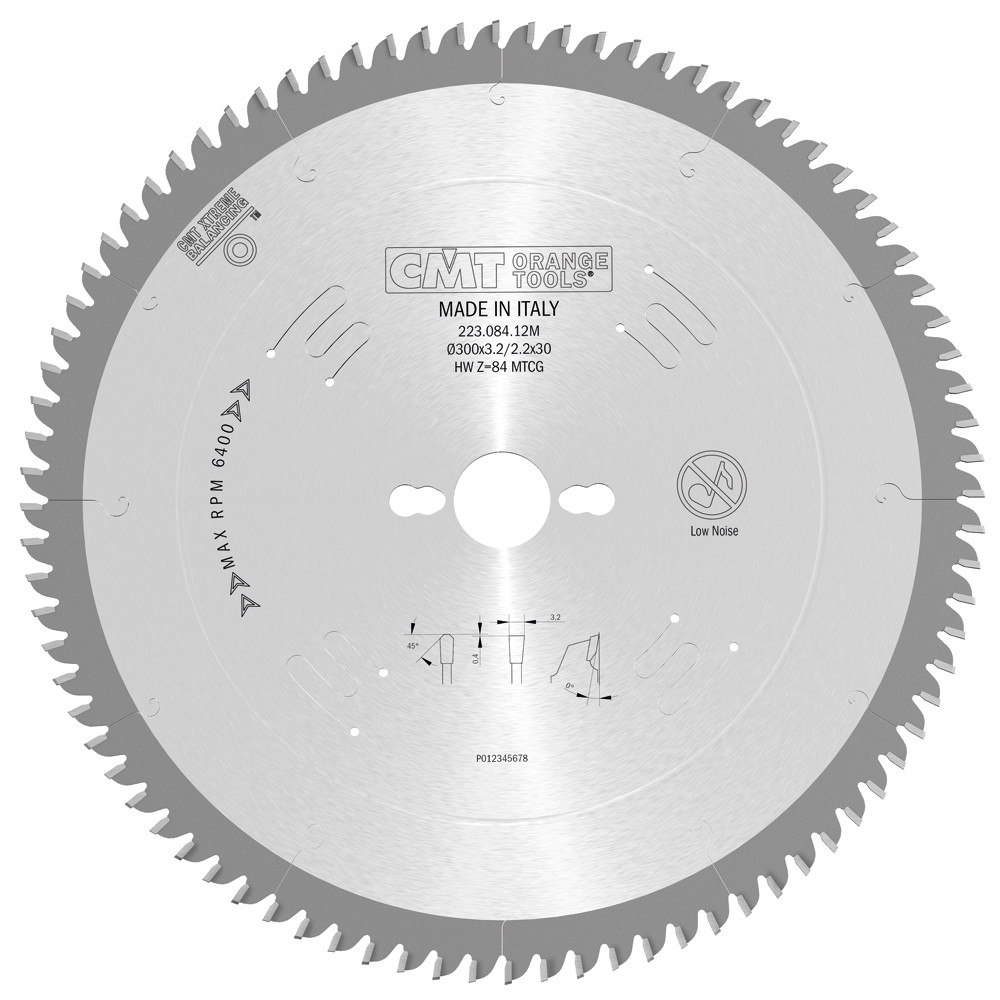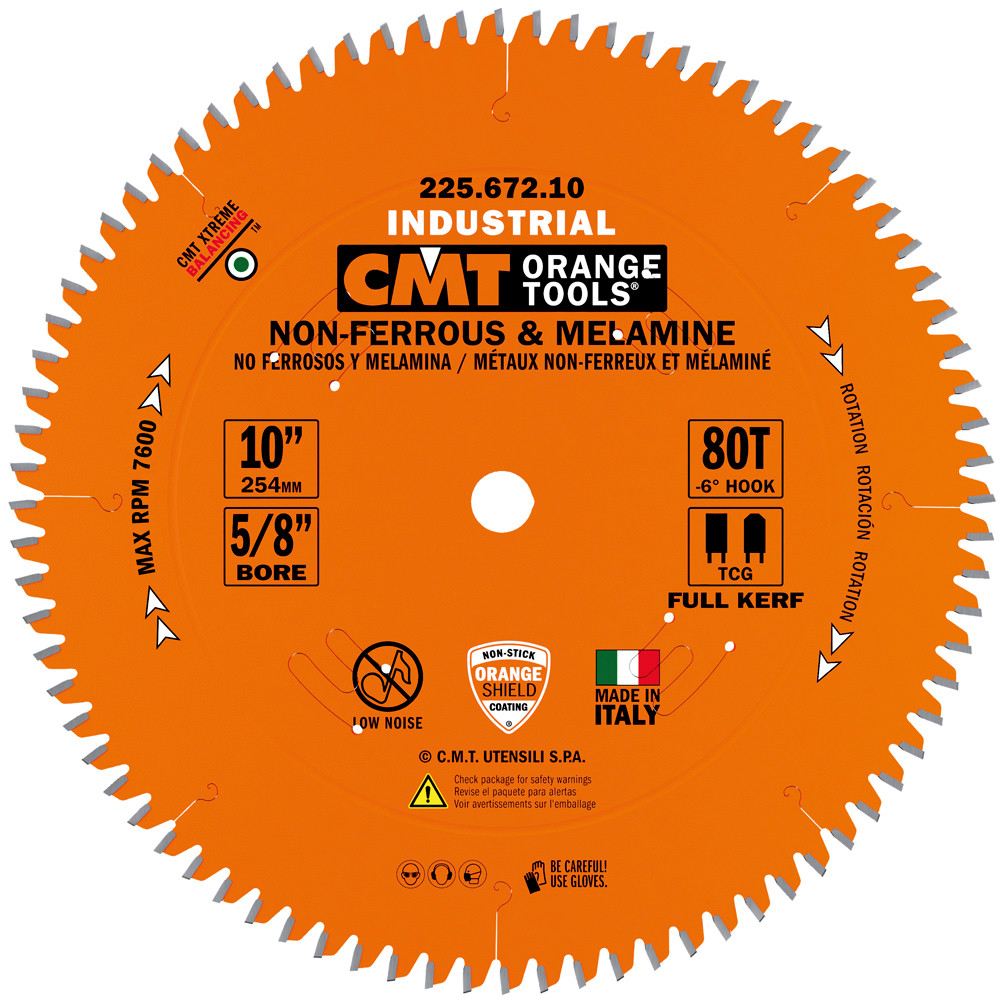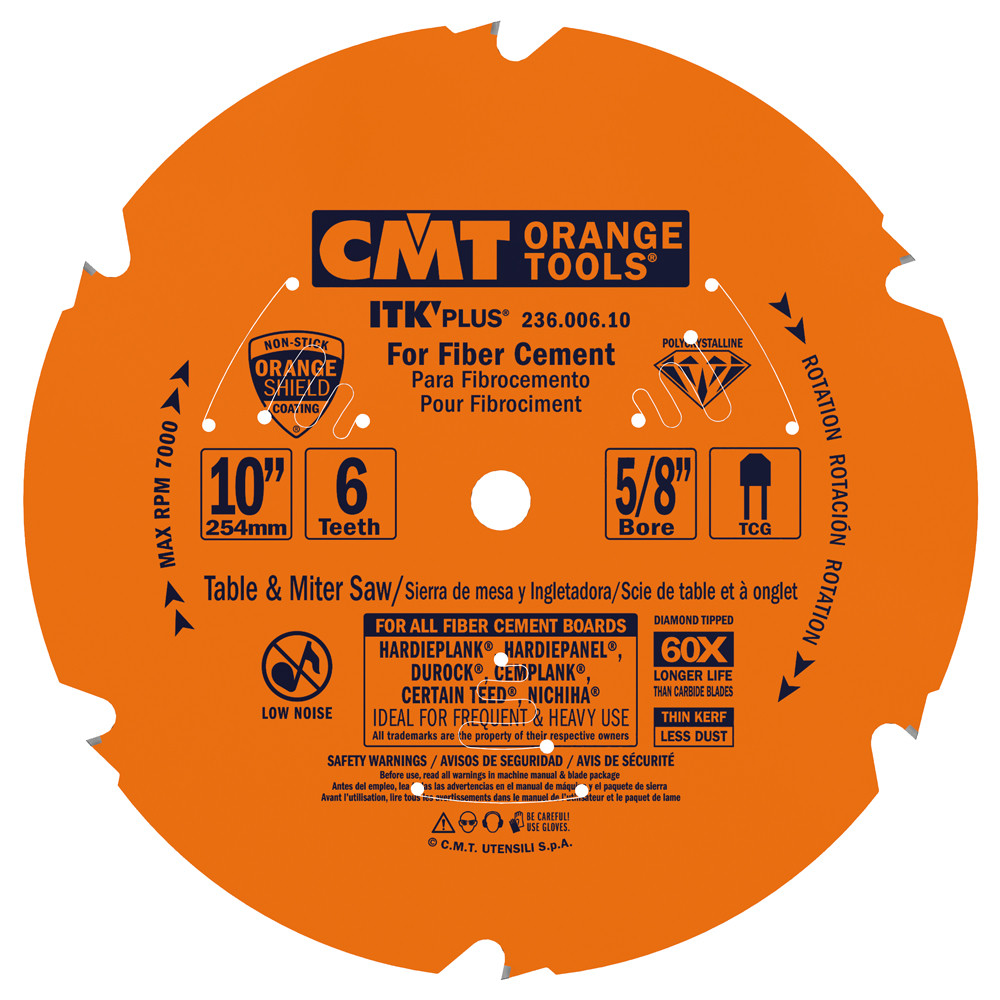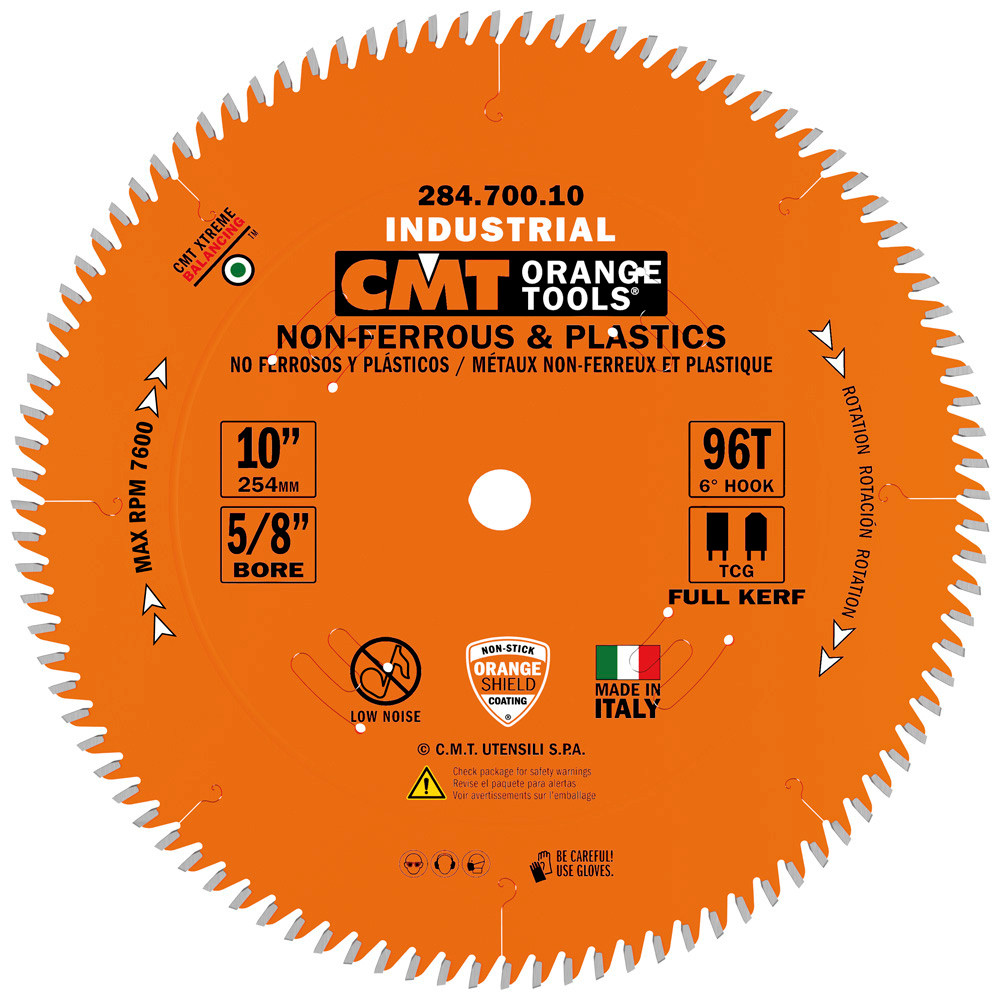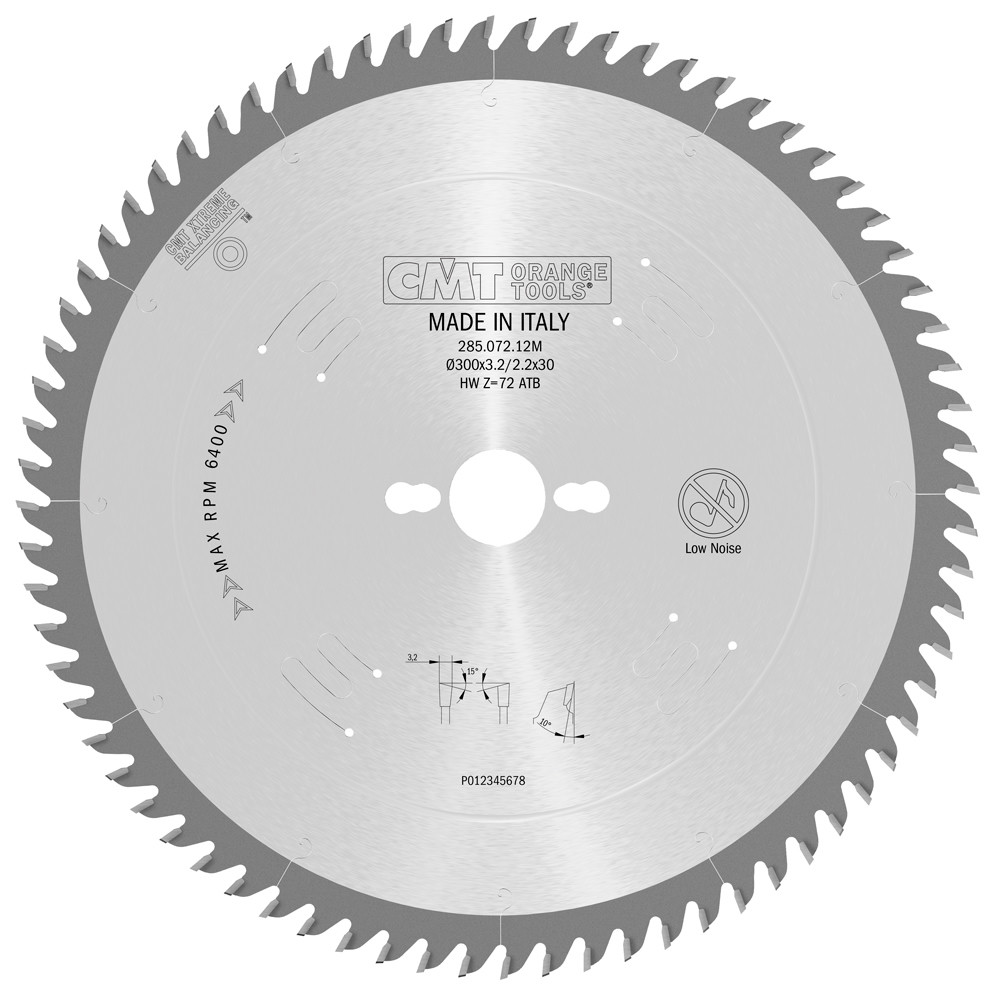
Sawing Tooling

Titan Sawing Tooling · Scoring Blades · Panel Saw Blades · Rip Blades · Crosscut Blades

Sawing tooling for clean edges, accurate parts, and production-ready panels.

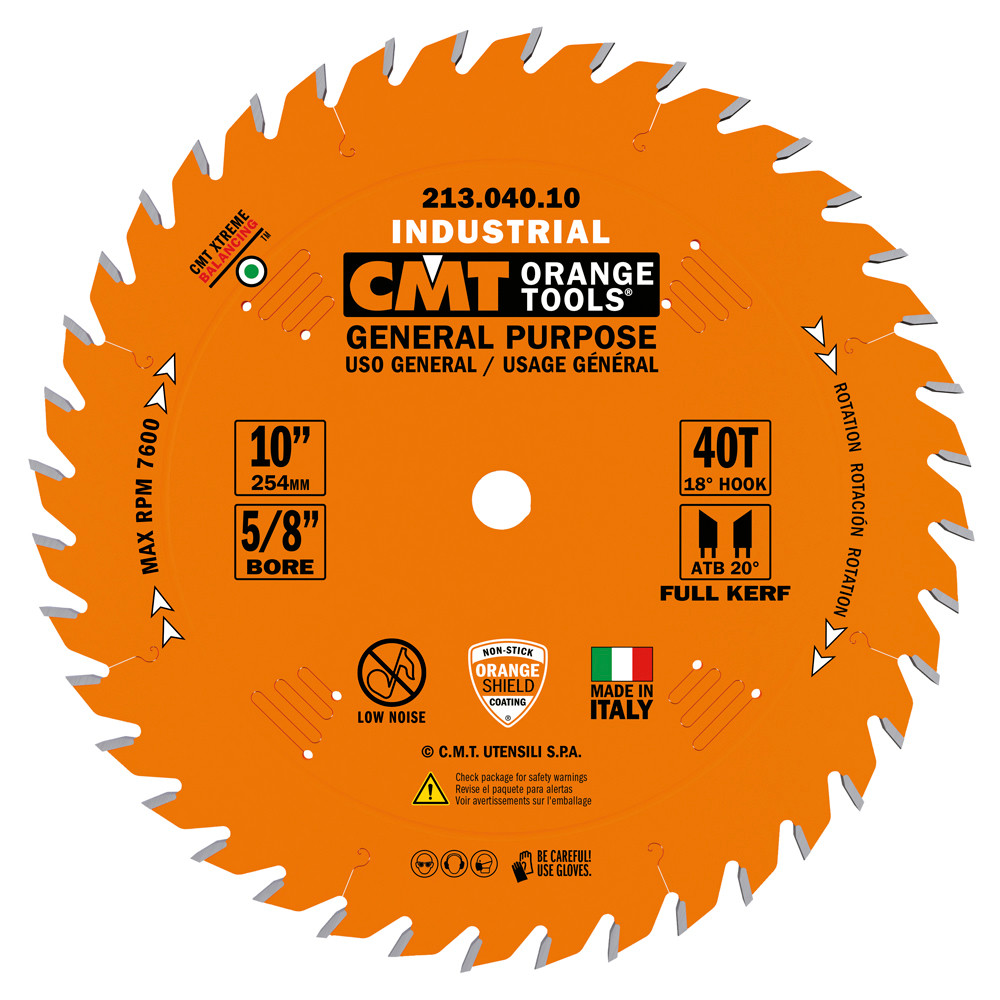
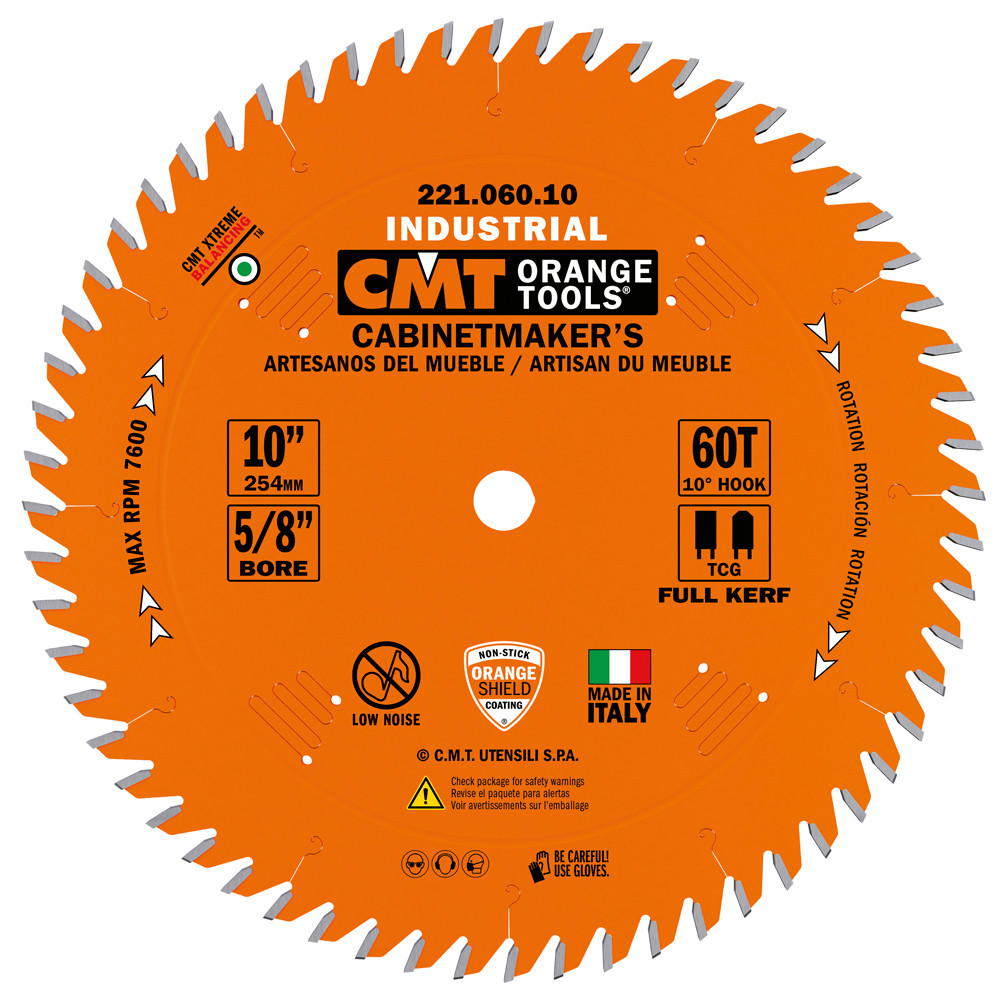
The saw is often the first machine that decides whether a part will flow cleanly through the rest of the shop. The right blade affects chip-out, bottom breakout, squareness, edge quality, edgebanding prep, material yield, operator confidence, and downstream assembly. Titan helps shops choose scoring blades, panel saw blades, rip blades, crosscut blades, high-finish blades, and non-ferrous blades based on the machine, material, finish requirement, feed system, and production workflow.

Panel Quality Scoring blades, panel saw blades, and high-finish blades for melamine, TFL, laminate, veneer, MDF, plywood, and decorative panels.
Solid Wood Cutting Rip blades and crosscut blades for hardwood, softwood, furniture components, millwork parts, mouldings, and shop production.
Machine Fit Beam saws, panel saws, sliding table saws, chop saws, rip saws, crosscut saws, and specialty cutting systems.
Edge Prep Cleaner saw cuts reduce edgebander problems, glue-line issues, trimming defects, sanding labour, and assembly corrections.

Shop sawing tooling by application.

Choose the blade category based on the machine, material, face quality, cut direction, scoring requirement, tooth geometry, feed speed, and whether the edge is visible, edgebanded, painted, assembled, or finished.

The First Cut Sets the Standard

A bad saw cut becomes an edgebander problem, an assembly problem, and a customer problem.

Chipped panels, bad scoring, dull blades, wrong tooth geometry, dirty tables, poor support, and incorrect feed can create defects that follow the job through CNC routing, edgebanding, sanding, assembly, and installation. Titan helps shops treat saw tooling as part of the full production system.

Optimize Sawing Tooling

How to choose the right saw blade.

Start with the material and machine, then work through edge quality, scoring needs, tooth geometry, blade diameter, kerf, bore, feed speed, and downstream process.

For Melamine and TFL Use proper panel saw blades with correct scoring setup. Watch top-face chip-out, bottom breakout, brittle decorative surfaces, edge prep for banding, and saw table cleanliness.
For High-Gloss Panels Use high-finish blade strategies with careful scoring, clean support, protective film discipline, correct feed, and careful handling to avoid chipping and surface rub marks.
For Veneered Panels Prioritize sharp tooling, face orientation, grain direction, low tear-out geometry, clean scoring, and correct feed to protect thin decorative surfaces.
For MDF Choose blades that manage dust, heat, edge quality, and production volume. Dull blades can create burning, fuzzy edges, and extra sanding or finishing labour.
For Plywood Watch veneer tear-out, cross-grain cuts, glue lines, voids, splintering, and blade sharpness. A better blade can reduce sanding and edge correction.
For Solid Wood Ripping Use rip blades designed for cutting with the grain. Prioritize chip evacuation, feed stability, straightness, heat control, and reduced burning.
For Solid Wood Crosscutting Use crosscut blades to control tear-out across the grain, especially on finished components, mouldings, trims, frames, and furniture parts.
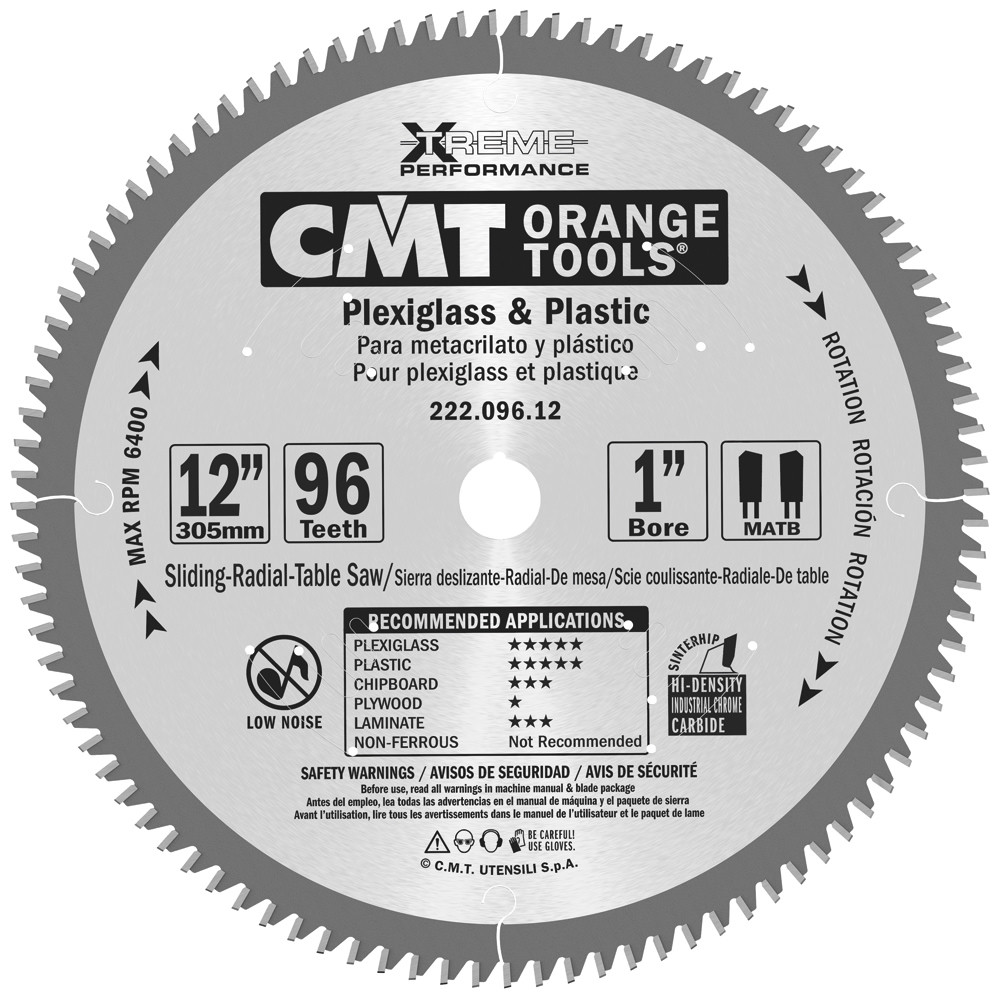
For Aluminum and Non-Ferrous Work Use dedicated non-ferrous blades and proper workholding. Do not treat aluminum, extrusions, or specialty metals like standard wood panel material.

Common sawing problems and likely causes.

Many downstream defects begin at the saw. If parts are chipping, breaking out, burning, drifting, or showing poor edge quality, start the diagnosis here.

SCORING

Bottom Breakout

Usually tied to scoring blade height, width, alignment, dull scoring teeth, wrong kerf match, panel support, or incorrect feed through the saw.

Check scoring setup
TOP FACE

Top Chip-Out

Often caused by dull main blade, wrong tooth geometry, excessive feed, vibration, brittle surface, wrong face orientation, or poor panel support.

Check main blade
HEAT

Burning

Common causes include dull blades, slow feed, resin buildup, wrong tooth count, poor chip evacuation, blade friction, or misalignment.

Reduce friction
ACCURACY

Parts Out of Square

Check fences, stops, clamps, sliders, beam saw grippers, table alignment, panel movement, operator process, and calibration habits.

Verify alignment
SURFACE DAMAGE

Scratched Panels

Often caused by dirty saw tables, chips under sheets, dragging panels, rough handling, poor air tables, or debris on support surfaces.

Clean support surfaces
VIBRATION

Rough Cut Edge

Can come from blade runout, worn bearings, poor blade tension, wrong tooth geometry, bad feed, dull teeth, or unstable material support.

Check blade condition
EDGEBANDING PREP

Poor Glue Line Later

A rough, chipped, stepped, or burned saw edge can reduce edgebanding quality even if the edgebander is set correctly.

Fix edge prep first
TOOL LIFE

Short Blade Life

Usually caused by abrasive materials, incorrect blade selection, dirty panels, wrong feed, heat, poor cleaning habits, or cutting mixed materials with the wrong blade.

Track material and cuts

Sawing tooling support paths.

Send customers into the right support path based on whether they need blades, panel-processing help, edgebanding-prep support, tooling optimization, or a quote.

Need help choosing the right saw blade?

Send us the machine type, blade size, bore, kerf, material, finish requirement, current blade, cut issue, and production goal. Titan can help point you toward the right scoring blade, panel saw blade, rip blade, crosscut blade, high-finish blade, or non-ferrous blade.

View as Grid List

11 Items

Set Descending Direction
per page
Copyright © 2026 - Titan Equipment and Tooling Sales