
P01
Finance the installed production system
Include every approved item required to make the equipment productive—not only the base machine.
Titan helps cabinet, millwork, furniture, door, panel, solid-wood, and CNC production shops define the full equipment package before financing begins. Machinery, tooling, dust collection, freight, installation, software, training, service, and ramp-up are organized into one practical project scope so the financing request reflects the real cost of putting the system into production.
Financing should strengthen the operating business. These principles keep the payment structure connected to production reality, liquidity, implementation timing, and the equipment’s useful life.
Include every approved item required to make the equipment productive—not only the base machine.
Preserve cash and credit for payroll, material, freight, tooling, service, ramp-up, and customer commitments.
Align repayment with expected equipment life, technology risk, service plan, production use, and replacement horizon.
Base the business case on accepted good output, realistic ramp-up, product mix, labour, quality, and uptime.
Rate matters, but so do down payment, fees, security, residual, purchase option, prepayment, insurance, and timing.
Site work, extraction, utilities, handling, tooling, software, training, commissioning, and contingency determine when value begins.
Long-life assets and short-term operating needs often require different financing tools and terms.
Model slower ramp-up, lower sales, higher rates, delayed delivery, exchange-rate changes, and extra infrastructure.
Purchase and lease structures can be treated differently. Final decisions belong with qualified advisers.
Record borrower, guarantor, insured party, equipment location, security registration, and end-of-term obligations.
Deposits, shipment, installation, acceptance, production start, and collections may occur months apart.
A convenient payment should never justify the wrong machine or an incomplete operating plan.
A request based only on machine price can leave the business short of cash at the most demanding point. Build the installed, trained, production-ready cost before selecting the structure.
CNC routers, edgebanders, beam saws, saws, sanders, presses, moulders, door systems, packaging, and automation.
Tool changers, boring heads, aggregates, larger work areas, returns, glue systems, controls, and special stations.
Holders, collets, router tooling, drills, blades, cutterheads, abrasives, gauges, and service inventory.
CAD/CAM, nesting, posts, labels, reporting, databases, backups, licences, implementation, and support.
Freight, brokerage, duty where applicable, insurance, delivery coordination, unloading, and temporary storage.
Rigging, crane or forklift support, positioning, leveling, anchoring, assembly, alignment, and install labour.
Service capacity, disconnects, transformers, cabling, panels, power quality, network, and qualified trades.
Compressors, dryers, receivers, piping, air quality, vacuum pumps, zones, filtration, and connections.
Collector, fans, filters, ducting, drops, gates, discharge, fire protection, makeup air, and commissioning.
Storage, lifts, carts, conveyors, returns, forklifts, robots, buffers, protection, and ergonomic presentation.
Operator and programmer training, templates, trial material, reduced output, overtime, travel, and coaching.
Initial spares, lubricants, cleaners, filters, service tools, preventive work, backups, and support agreements.
Foundations, floor repair, doors, penetrations, lighting, climate, guarding, traffic routes, and fire requirements.
Material, payroll, utilities, freight, overtime, remakes, customer delays, and temporary capacity during ramp-up.
Unplanned site conditions, compatibility issues, schedule changes, extra tooling, training, and recovery actions.
Future service, software support, tool replacement, filters, energy, inspections, repairs, upgrades, and decommissioning.
Production begins only when the machine, tooling, software, material, utilities, extraction, handling, people, maintenance, and downstream process are ready together.
Titan does not promise approval, rates, or a specific program. The appropriate path depends on the borrower, project, lender, security, useful life, cash flow, and current program rules.
The business borrows funds, purchases the equipment, and repays principal and interest over an agreed period.
The business pays for equipment use under a lease. Purchase options, residuals, end-of-term choices, and accounting treatment vary.
Eligible Canadian businesses may investigate programs delivered through participating financial institutions that can support equipment and related project costs.
Canadian development financing may support production machinery and, in some programs, related costs such as installation, freight, or training.
Short-term revolving credit can support inventory, payroll, installation timing, receivables gaps, and ramp-up.
A project may combine equipment debt, lease financing, internal cash, working capital, landlord work, or supplier terms.
A lower payment can come from a longer amortization, larger residual, higher purchase option, larger deposit, or different risk allocation. Compare total cash, ownership objectives, useful life, flexibility, and downside protection.

A financing agreement is more than a payment schedule. Every critical term should be compared, understood, and reviewed by the business’s qualified advisers.
Fixed or floating rate, benchmark, margin, reset dates, default rate, and whether the quote is before or after fees.
Payment term, amortization, maturity, balloon, residual, renewal risk, and expected equipment life.
Borrower cash, supplier deposit, progress payments, refund conditions, and whether taxes or fees are financed.
Security interest, financed asset, other business assets, personal or corporate guarantees, and lender priority.
Documentation, appraisal, administration, registration, legal, brokerage, commitment, annual, and discharge fees.
Open or closed repayment, allowed prepayment, penalty formula, break cost, refinancing limits, and discharge.
End-of-term purchase amount, fair-market-value option, residual, return conditions, wear standards, and removal.
Required insurance, loss payee, transit risk, installation coverage, downtime, replacement value, and acceptance.
Currency of quote, deposit, loan, taxes, freight, and final payment; exchange movement and responsibility.
Funding conditions tied to purchase order, shipment, title, installation, commissioning, deficiencies, and holdback.
Financial statements, insurance, taxes, debt limits, ratios, notices, equipment location, and lender consent.
Late payment, covenant breach, cross-default, cure periods, repossession, acceleration, and legal cost.
Translate the project into good sheets, parts, panels, doors, cabinets, lineal feet, rooms, or orders per hour and day. Then test whether demand and the rest of the value stream can convert that production into sustainable cash.
Exact requirements vary, but a structured package makes it easier to evaluate the business, equipment, production case, cash contribution, implementation risk, and repayment capacity.
Legal name, ownership, history, locations, industry, customer mix, management team, and current lenders.
Recent year-end statements, interim results, tax returns where requested, balance sheet, income statement, and cash flow.
Bank relationship, existing debt, lines, payment history, security registrations, and borrowing capacity.
Machine, model, options, tooling, software, freight, installation, training, taxes, milestones, and expiry.
Current bottleneck, customer demand, output, labour, quality, remakes, downtime, outsourcing, and need.
Required versus available good hours, product mix, ramp assumptions, constraint, cushion, and downside case.
Site readiness, trades, dust, power, air, vacuum, network, rigging, training, proof, and ramp.
Deposit, down payment, taxes, internal spending, contingency, working-capital reserve, and approved sources.
Broker, coverage, equipment value, transit and install requirements, loss-payee details, and interruption.
Articles, registrations, shareholder information, resolutions, signing authority, and legal information.
Some structures may request personal net worth, identification, consent, guarantees, or credit information.
Quote date, approval, deposit, build, shipment, installation, acceptance, production start, and first payment.
The finance plan should follow the real project calendar. Avoid beginning full repayment long before the equipment can produce stable accepted output unless the business has intentionally funded the gap.
The financing decision should be monitored after installation. Track whether the project is producing the output, quality, labour, cash, and customer result used to justify the commitment.
All project cash required before dependable production begins.
Scheduled principal, interest, lease payment, and recurring finance fees.
Expected monthly operating benefit divided by monthly project debt service.
Additional accepted units that can be sold and delivered multiplied by approved contribution per unit.
Verified labour, overtime, temporary labour, and outsourcing changes after quality and throughput are considered.
Scrap, remake, rework, warranty, sorting, and customer-claim reduction attributable to the project.
Time from installation to stable accepted output at the planned rate and product mix.
Maximum cash tied in deposits, material, payroll, receivables, unfinished work, and transition inventory.
Incremental accepted units needed to cover recurring financing and operating costs.
Total implementation cash divided by sustainable annual operating benefit.
Coverage using conservative sales, output, ramp, rate, and cost assumptions.
Maintenance, tooling, software, energy, consumables, filters, service, inspections, and major repairs.
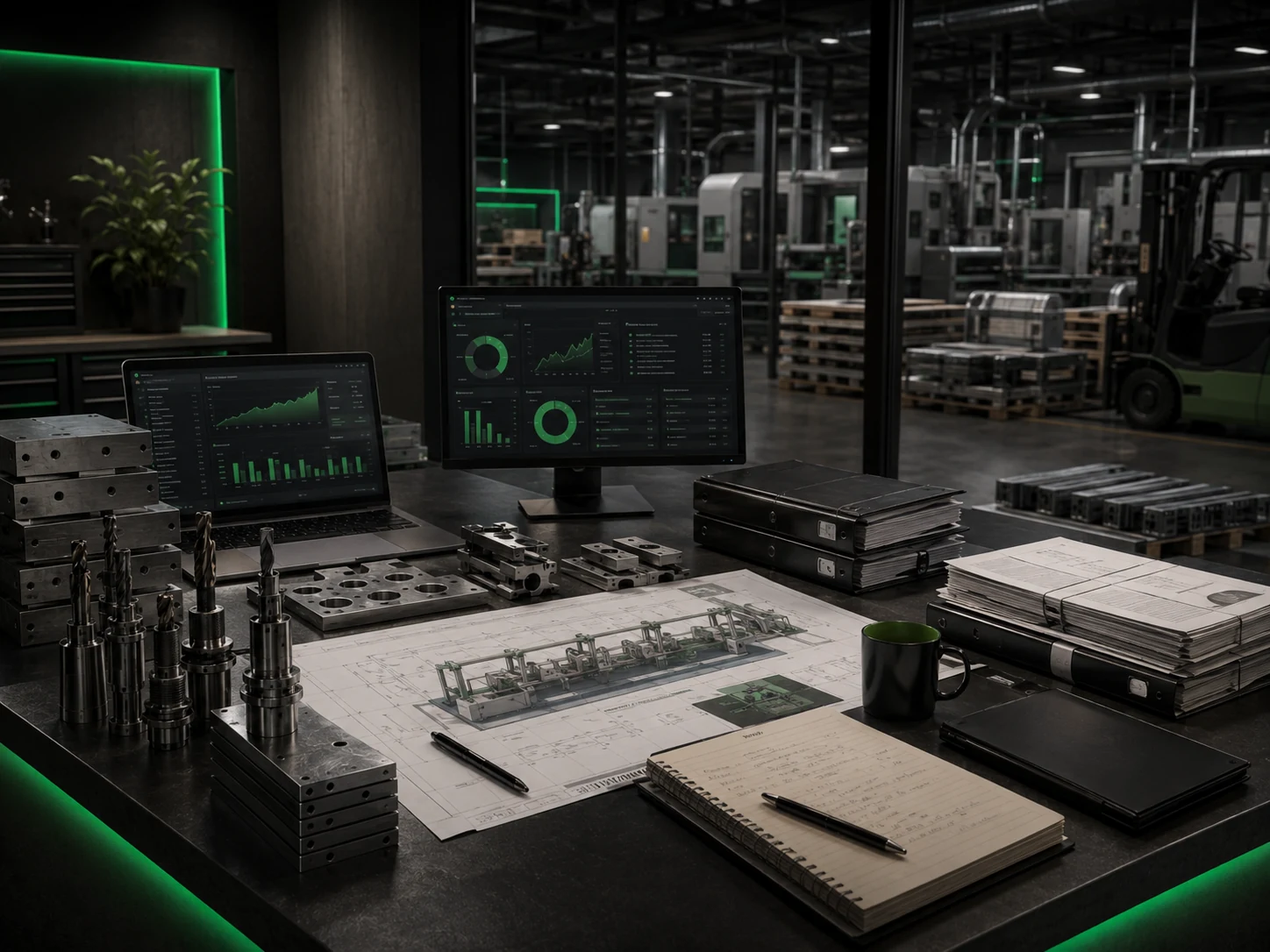
Deposits, tooling, site work, trial material, overtime, training, temporary outsourcing, lower production, remakes, inventory, and slower receivables can overlap. Identify the peak cash requirement and preserve a controlled reserve.
State the customer, capacity, quality, labour, safety, replacement, uptime, growth, or service problem.
List equipment, options, tooling, software, utilities, dust, handling, training, service, and contingency.
Measure accepted output, lead time, labour, WIP, remakes, downtime, material yield, and delivery.
Estimate good output, staffing, mix, quality, maintenance, handling, and downstream absorption.
Confirm the project addresses the actual system limitation and does not create a new hidden bottleneck.
Document model, options, inclusions, exclusions, payment schedule, delivery, warranty, and training.
Add freight, duty, rigging, site work, trades, dust, power, air, vacuum, network, tooling, and software.
Plan material, payroll, training, reduced output, temporary capacity, remakes, and contingency.
Compare loan, lease, development financing, government-supported lending, working capital, and blended structures.
Assemble business, financial, ownership, quote, production, implementation, insurance, and timeline information.
Understand current registrations, limits, lender consent, guarantees, asset location, and priority.
Compare rate, term, amortization, fees, security, residual, prepayment, conditions, reporting, and default clauses.
Test slower ramp, lower output, higher cost, delayed delivery, rate changes, exchange movement, and lost sales.
Align approval, quote expiry, deposit, progress payments, shipment, installation, acceptance, and first payment.
Have qualified advisers review tax, CCA, lease treatment, contracts, guarantees, security, and authority.
Do not deploy capital into a machine that cannot be installed, staffed, programmed, tooled, or supported.
Verify function, software, tooling, utilities, quality, output, training, documentation, and recovery.
Track debt service, output, cash coverage, uptime, quality, working capital, maintenance, and improvement.
Test delayed delivery, installation problems, slow adoption, lower demand, reduced output, extra tooling or infrastructure, higher interest, exchange movement, and delayed collections.

These are planning answers only. Approval, legal rights, tax treatment, accounting, rates, and lender requirements depend on the actual agreement and professional advice.
Depending on lender and structure, approved projects may include related costs such as freight, installation, training, tooling, software, or infrastructure.
Not necessarily. Compare payment, deposit, residual, purchase option, fees, treatment, flexibility, useful life, and total cost.
Long-life equipment and short-term operating needs often require different tools. A revolving facility may fit payroll, material, and receivables timing better.
Confirm quote expiry, deposit timing, approval expiry, rate hold, progress payments, foreign currency, cancellation, and when repayment begins.
Purchase and financing documents should state funding conditions, risk of loss, storage, insurance, acceptance, deficiencies, and payment obligations.
Some lenders finance used equipment, but age, condition, valuation, serviceability, title, location, inspection, and remaining life may affect terms.
Retain enough liquidity for normal operations, overruns, ramp-up, remakes, delayed receivables, maintenance, and customer commitments.
Accepted output, quality, labour, uptime, tool cost, material yield, lead time, WIP, delivery, cash coverage, and progress against the case.
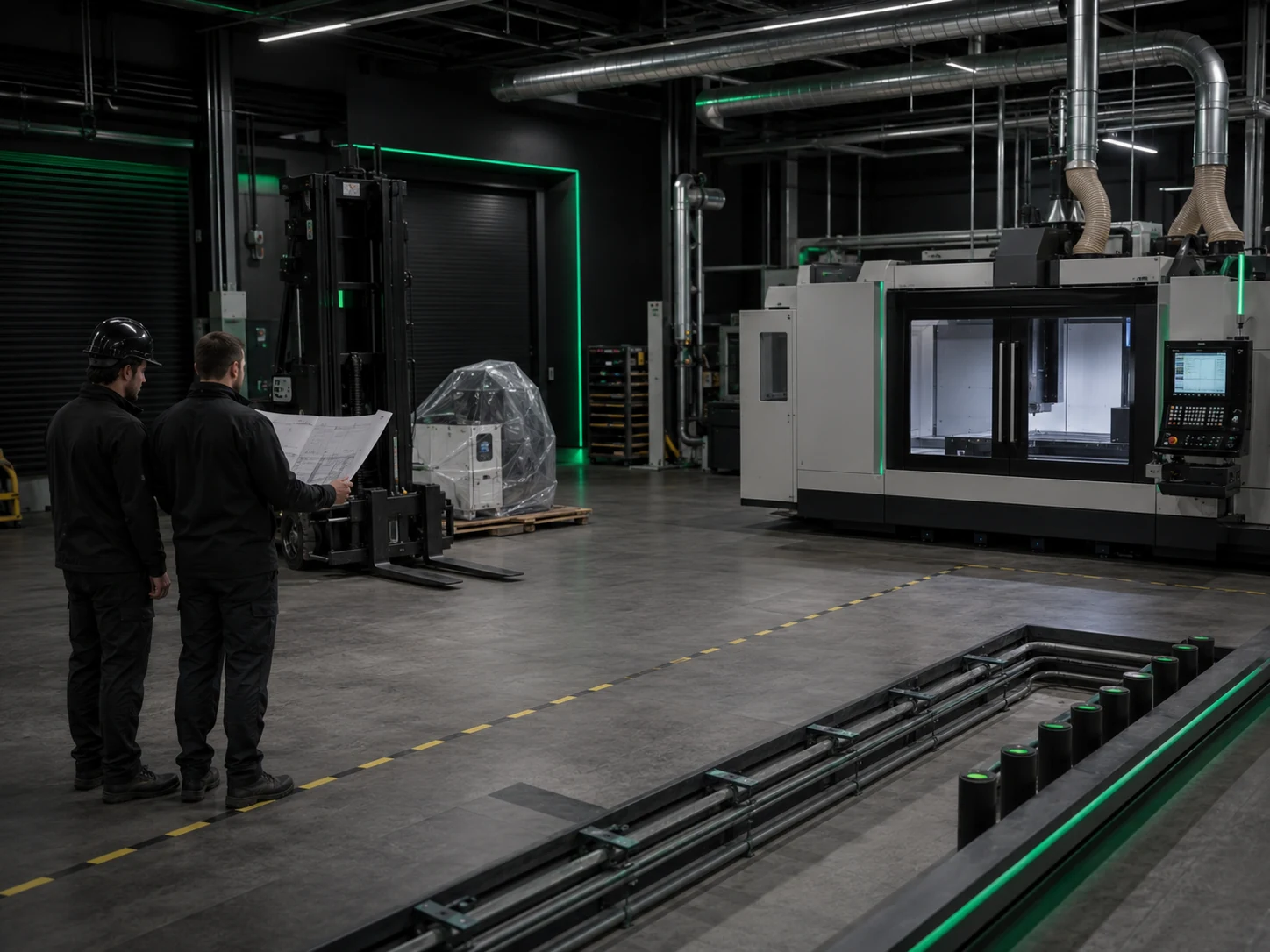
Confirm floor, access, utilities, extraction, network, rigging, service clearances, material flow, staffing, tooling, software, and production contingency before the delivery window.
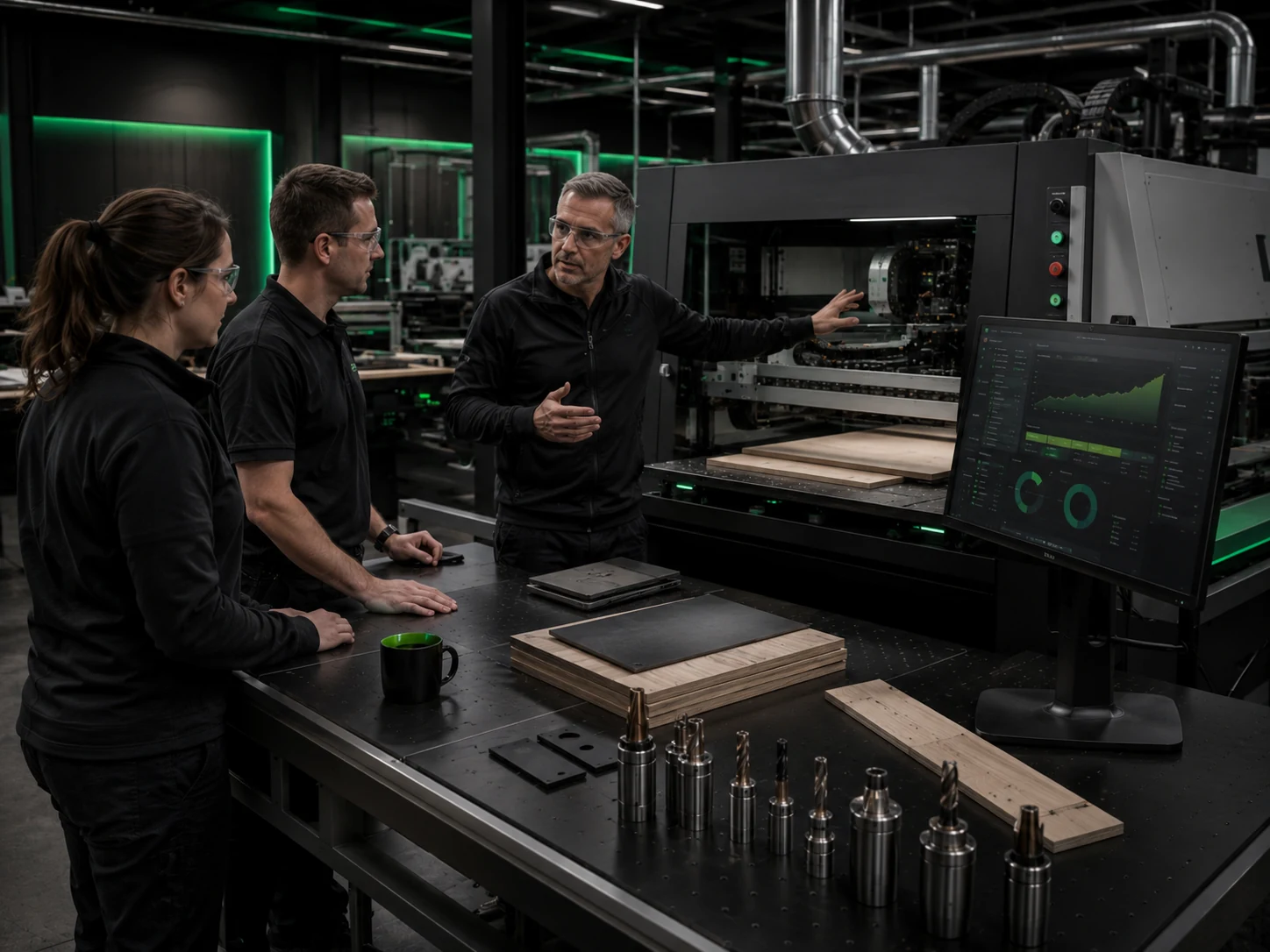
Protect operator and programmer training, representative testing, maintenance instruction, documentation, backup users, service escalation, and a staged ramp plan.
Financing availability, eligibility, approvals, rates, terms, security, guarantees, payment structures, down payments, fees, tax treatment, accounting treatment, insurance, program requirements, and lender conditions are not guaranteed and may change. Titan Equipment and Tooling Sales can help organize the equipment and implementation scope, but does not provide financial, legal, tax, accounting, or credit advice. Customers should review all financing and purchase documents with their own qualified advisers and confirm current program details directly with the applicable financial institution.
Bring Titan the machine requirements, product families, capacity target, current bottleneck, full installed scope, site conditions, tooling, software, training, maintenance, quote status, budget, and timeline.