Panel Applications / FENIX / Nanotech Matt Surfaces
Ultra-Matte · Soft Touch · Anti-Fingerprint · Direction Control
Process FENIX Cleaner While Protecting The Ultra-Matte Smart Surface.
FENIX is a premium nanotech matt material used for cabinet doors, panels, furniture, work surfaces, commercial interiors, and high-design applications. Its anti-fingerprint, soft-touch, low-reflective surface is the value, so CNC routing, saw cutting, bonding, edgebanding, cleaning, stacking, and handling must protect the face from polishing, scratching, dust contamination, edge chips, and direction mistakes.
Protect The Matt FaceThe low-reflective, soft-touch surface is the product. Avoid scratches, rub marks, polishing, dust drag, and abrasive cleaning.
02
Cut CleanlySharp compression tooling, saw scoring, proper feed/RPM balance, and stable hold-down help reduce chip-out and rough edges.
03
Control DirectionUse supplier guidance, film arrows, labels, and nesting discipline so doors, fillers, panels, and visible faces stay visually consistent.
04
Handle Like Finished PartsClean carts, separators, dust control, inspection lighting, and no face-to-face sliding reduce rejects after the cut is already good.
Material Handling Mindset
FENIX Is Not Generic Laminate. Treat The Surface Like The Product.
FENIX is chosen for the way it looks and feels: extremely matt, soft-touch, anti-fingerprint, and premium. That surface can be damaged by dirty handling, dragging parts, abrasive dust, poor carts, aggressive cleaning, heat, dull tools, or weak scoring.
The production strategy needs to protect the matte face from the first cut through final installation. Tooling, scoring, bonding, edgebanding, film handling, dust extraction, cleaning, stacking, and operator habits all affect the result.
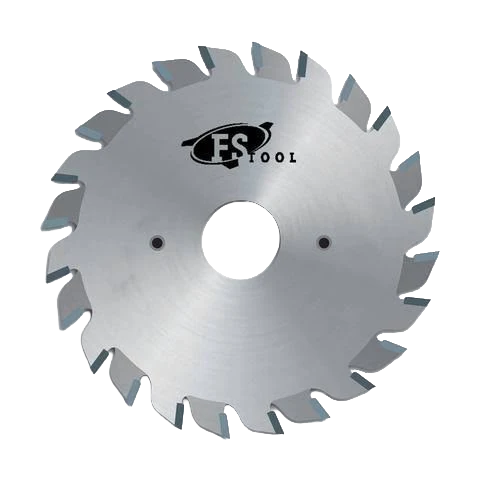
Beam saws and sliding table saws should use a properly matched main blade and scoring blade to reduce underside breakout and keep finished edges clean.
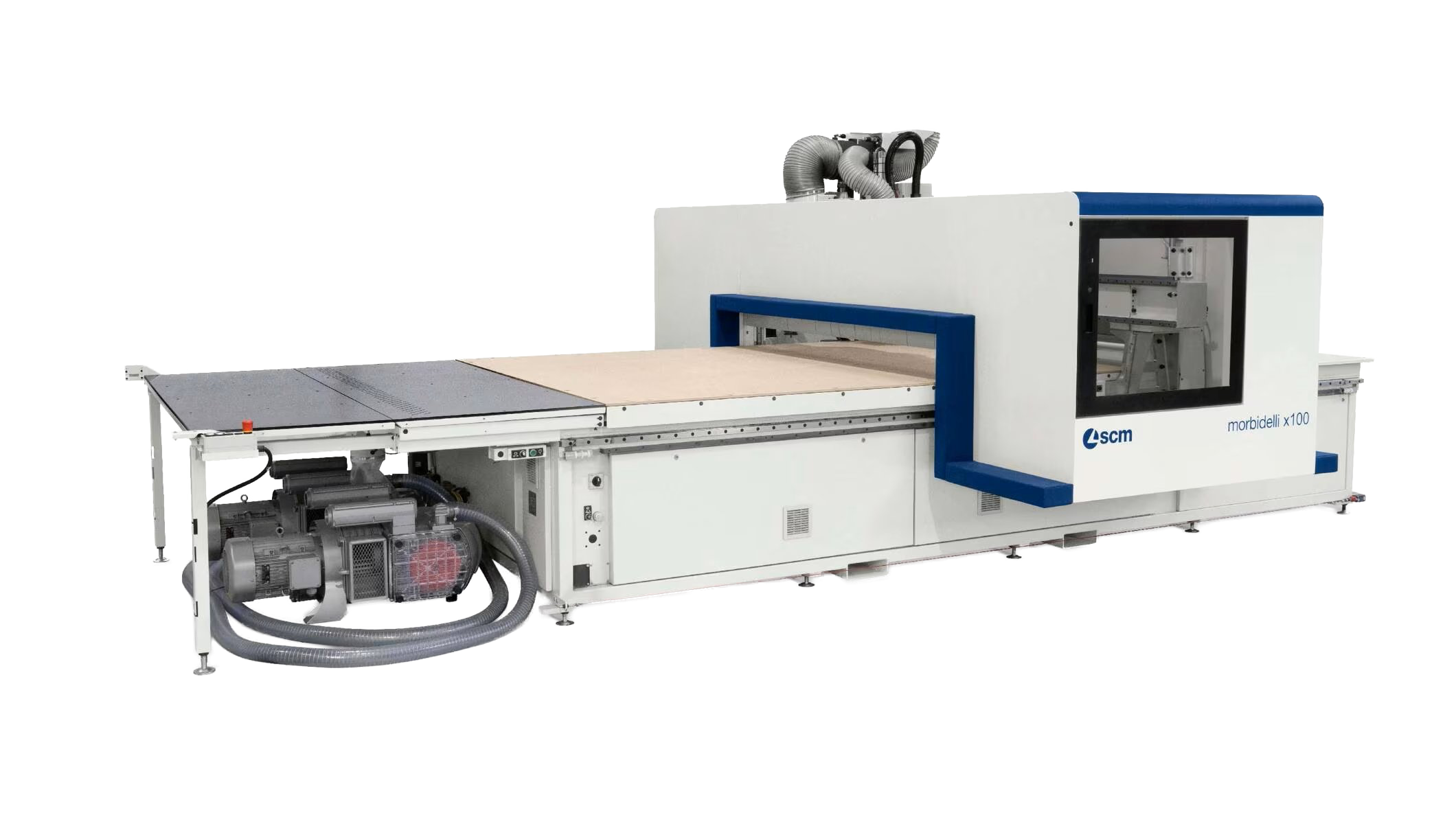
For high-quality FENIX processing, a stable CNC nesting platform helps support cleaner routing, better hold-down, repeatable labels, and smoother part flow.
The Face Is Premium. The Process Has To Act Like It.
FENIX production is about protecting a high-value surface while still delivering repeatable shop output. Tooling, scoring, bonding, edgebanding, film handling, dust extraction, cleaning, stacking, and operator habits all affect whether the final part looks premium or rejected.
Material FamilyFENIX NTM is a nanotech matt material for interior design applications, known for low light reflectivity, soft-touch feel, and anti-fingerprint properties.
Surface BehaviourFENIX is valued for an extremely matt finish and soft feel. Superficial micro-scratches may be repairable, but production should still prevent scratching and polishing marks.
Material ConstructionFENIX NTM is produced using heat and pressure with paper impregnated with thermosetting resins, with a nanotechnology-based external surface.
Common ThicknessFENIX may be supplied as laminate sheet, compact material, or pressed panels depending on supplier and region. Confirm actual format before quoting or cutting.
Protective FilmFilm condition, direction arrows, dust under film, film lifting, wrinkles, and removal timing can all affect production quality and finished appearance.
Directional MaterialFENIX may be directional depending on format. Control part orientation for doors, fillers, panels, and continuous visible surfaces.
Know The Material Before You Cut It
Key FENIX Specification Notes.
Always confirm the exact FENIX SKU, thickness, colour, format, laminate direction, protective film, substrate, and supplier data before nesting, quoting, bonding, or building production settings.
Clean FENIX work is not only a tooling conversation. The best results come from matching CNC tooling, panel saw scoring, bonding, edgebanding, dust collection, film control, direction planning, labelling, handling, and inspection into one controlled workflow.
Exact CNC and saw settings depend on the machine, spindle, saw, tooling diameter, blade geometry, substrate, laminate thickness, part size, vacuum, dust extraction, film condition, and desired production rate.
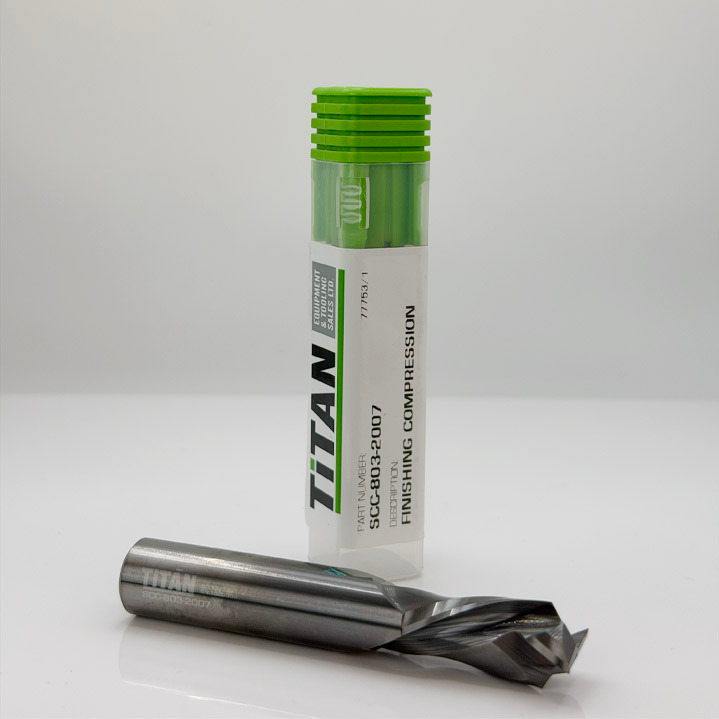
Preferred CNC CutterUse the GreenCap 1/2 inch MTCE compression cutter as the preferred outline tool for FENIX nesting when finished-face quality and edge-banding prep are the priority.
Saw StrategyUse a sharp main blade and properly matched scoring blade to reduce bottom breakout, scoring lines, visible face chips, and rough laminate edges.
Feed StrategyUse a feed rate that cuts clean chips without rubbing. Validate edge quality on offcuts before committing premium matt panels to full production.
RPM StrategyBalance RPM against feed speed. Excessive rubbing can heat the edge, shorten tool life, polish the surface near the cut, or increase chipping.
Hold-DownVacuum, spoilboard condition, gasketing, and part size affect cut quality. Any movement can show as chatter, chip-out, or poor edge-banding prep.
Film & Direction ControlUse protective film arrows and supplier guidance to control direction on doors, fillers, panels, and visible faces. Do not mix direction casually on premium installs.
Edgebanding
FENIX Edge Strategy For Premium Matt Workflows.
FENIX edge quality is not only about bond strength. The edge has to support the ultra-matte face, colour match, glue-line control, trimming, scraping, buffing, cleaning, and final visual inspection.
Summary
Cut For The Edge Result, Not Just The Shape.
A premium FENIX part can fail at the edge if the CNC cut, saw cut, substrate, laminate bond, glue system, edge tape, pre-mill, trimming, scraping, or buffing process is not controlled.
Start with a clean compression cut or properly scored saw cut, then control glue choice, pressure, edge colour, scraper pressure, buffing pressure, and cleaning so the finished matt face is not polished or marked.
Matching EdgeCoordinate edge tape, colour, sheen, thickness, laminate face, substrate, and finished-part expectations so the edge does not visually fight the matt surface.
Pre-Mill ConditionPre-milling can improve the banding surface, but it cannot fully recover a badly chipped, heated, fuzzy, or unstable cut edge.
Glue StrategyPUR, EVA, contact adhesives, bonding systems, glue colour, pressure, temperature, and panel cleanliness all affect visible glue-line quality.
Finish ProtectionTrim, scrape, buff, and clean carefully. Too much pressure or abrasive wiping can polish, haze, mark, or visually change an ultra-matte surface.
Common Issues
Production Issues To Watch For.
FENIX issues are usually caused by the interaction between the matt surface, laminate format, substrate, machine setup, tooling, scoring, hold-down, dust extraction, edging strategy, cleaning, and handling.
01
CNC Edge Defect
Face Chip-Out Or Bottom Breakout
Often tied to dull tooling, wrong compression geometry, poor scoring, weak hold-down, unsupported exits, or feed/RPM mismatch.
02
Matt Surface Issue
Polishing Or Shiny Rub Marks
Can happen when parts drag across debris, operators over-clean abrasively, tools rub instead of cut, or handling creates localized burnishing.
03
Surface Damage
Scratches, Scuffs, Or Contamination
Often caused by dirty tables, conveyor debris, rough carts, dragging parts, stacking finished faces together, or chips trapped under protective film.
04
Edgebanding Issue
Poor Edge Or Glue-Line Result
Occurs when the pressed panel, laminate bond, edge prep, glue system, pre-mill, or edge banding colour is not coordinated with the FENIX surface.
Process Demos
FENIX Demo Content That Supports The Shop Floor.
Use this section for Titan demos as they are produced. Each demo should connect directly to a real FENIX production issue and a recommended tooling, machine, edge, or handling category.
FENIX Compression Bit Test
Compare edge quality on matte FENIX-faced panels using the GreenCap 1/2 inch MTCE compression bit, feed, RPM, hold-down, and dust extraction.
Scoring Blade Setup For FENIX
Show how scoring blade width, height, alignment, and sheet support affect underside chip-out and edge quality on premium matt laminate surfaces.
Protecting Matte Surfaces In Production
Demonstrate part handling, film management, stacking, cleaning, separator use, cart discipline, and face protection for FENIX components.
FENIX Troubleshooting Request
Send Us The FENIX Issue. We’ll Help Protect The Matte Surface.
Use this form when FENIX is chipping, scratching, polishing, breaking out, banding poorly, showing direction issues, creating edge defects, or getting damaged during handling. The goal is to identify whether the issue is tooling, scoring, CNC hold-down, dust extraction, saw setup, bonding, edging strategy, direction control, cleaning, or material handling.
Top or bottom chip-out during CNC routing or saw cutting.
Polished or shiny rub marks on the ultra-matte face.
Scratches from tables, conveyors, carts, rollers, stacking, or trapped chips.
Direction mismatch between doors, fillers, panels, or visible components.
Bottom breakout from scoring errors or unsupported CNC final passes.
Chatter, vibration, bad edge quality, or short tool life.
Rough core, poor edge-banding prep, or visible glue-line defects.
Parts moving on the CNC table or losing vacuum.
Dust contamination, static cling, fingerprints, or cleaning marks.
Handling dents, crushed corners, face scuffs, or edge bruising after cutting.