Cut Tafisa TFL Cleaner While Controlling Chip-Out, Scoring, And Handling Damage.
Tafisa decorative panels are production-friendly TFL panels used in cabinet, closet, furniture, storage, wall cladding, commercial, residential, institutional, and hospitality work. The surface is tough, but clean CNC and saw processing still depend on the right compression tooling, scoring setup, dust extraction, hold-down, feed strategy, and careful material flow.
Decorative SurfaceTafisa TFL gives you a finished decorative face, so chip-out, scratches, drag marks, and scoring defects show up immediately.
02
Cut CleanlyCompression tooling, sharp saw blades, matched scoring, and stable feed control help protect the top and bottom faces.
03
Control The CoreCore quality at the cut edge affects edgebanding, glue-line appearance, sizing, and downstream assembly results.
04
Think System-WideThe best Tafisa result comes from matching tooling, scoring, vacuum, dust collection, edgebanding, handling, and workflow together.
Material Handling Mindset
Tafisa Is A Production Panel. Treat The Surface, Core, And Edge As One System.
Tafisa TFL is common in cabinets, closets, office furniture, storage systems, wall panels, and commercial casework because it combines a decorative surface, repeatable sheet format, and engineered core performance.
The challenge is not simply cutting the panel. The challenge is keeping the decorative face clean, the edge banding-ready, the part square, and the surface protected through CNC, saw, edgebanding, carting, stacking, and assembly.
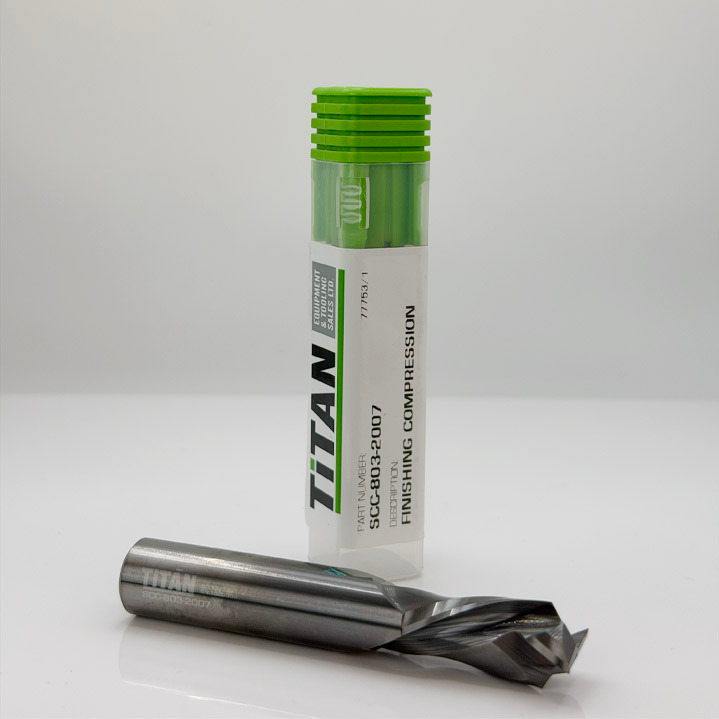
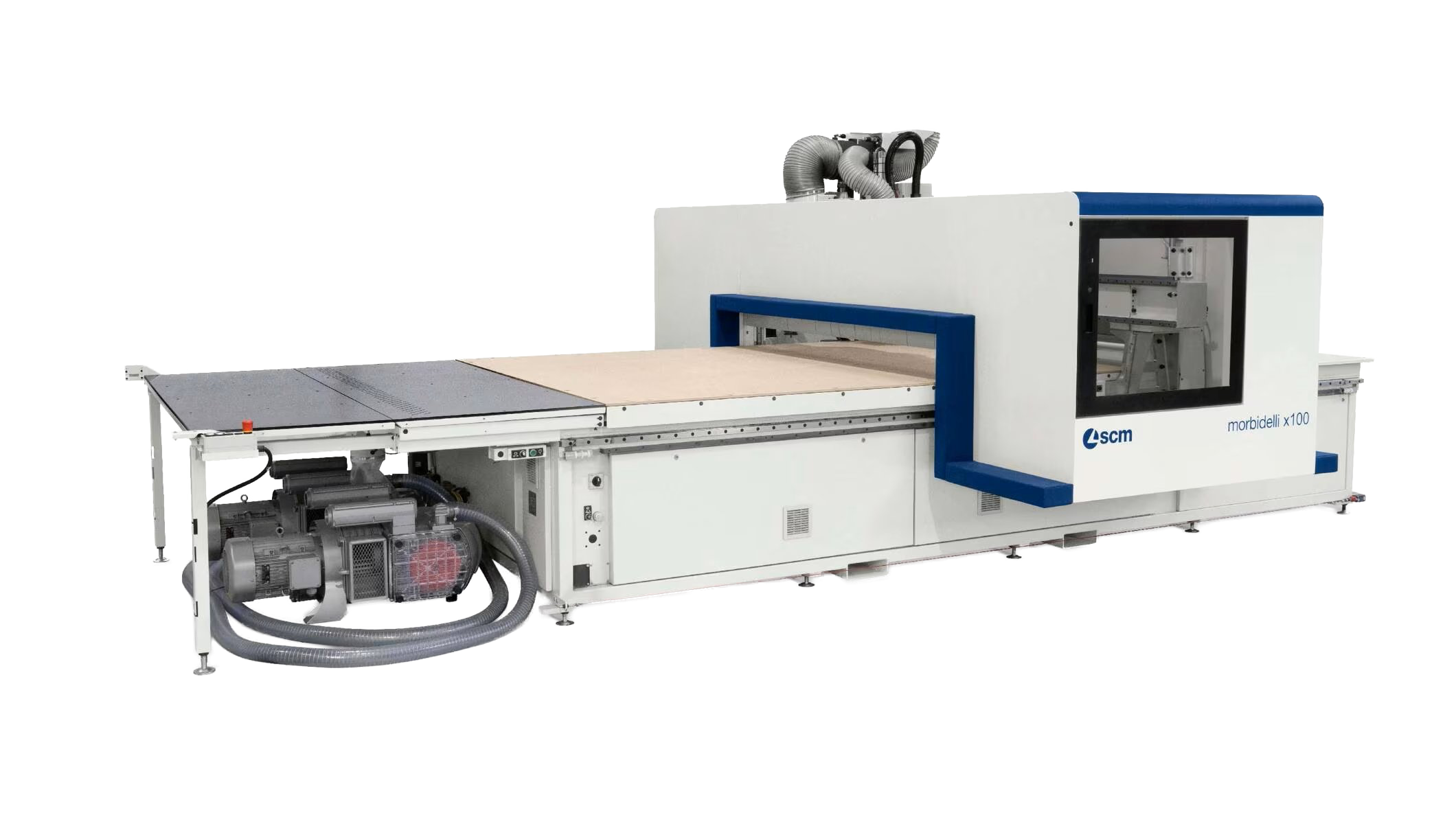
Use this as the preferred outline cutter for Tafisa TFL panels on a CNC nest when the goal is strong tool stability, cleaner faces, and edge-band-ready cuts.
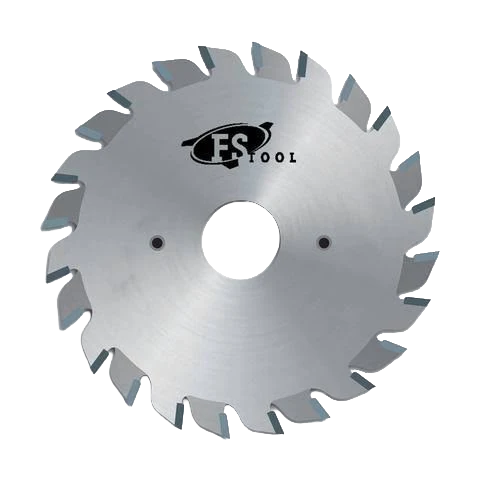
For beam saws and sliding table saws, matched blade and scoring setup help keep top and bottom faces cleaner while reducing breakout on decorative TFL.
A Good Tafisa Result Comes From More Than The Cut.
Cleaner Tafisa production comes from the whole setup working together: sharp tooling, matched scoring, stable feeds, dust extraction, clean support tables, controlled offloading, and an edge strategy that fits the final part. The better the system is balanced, the more consistent the decorative result becomes.
Surface TypeTafisa TFL panels are decorative thermally fused laminate surfaces intended for finished cabinet, furniture, closet, and commercial casework applications.
Core MaterialMost Tafisa decorative panels are produced over particleboard cores, so cut quality and edge condition play a major role in the finished edgebanding result.
Typical ThicknessesCommon production ranges include 1/4 inch, 1/2 inch, 5/8 inch, 3/4 inch, and 1 inch depending on the collection and intended use.
Typical Sheet SizesCommon sheet formats include 4 x 8, 5 x 9, and 5 x 12 depending on the décor line, production program, and application.
Decorative ImpactBecause the face is already finished, top-face chips, bottom breakout, scratches, and scoring marks become visible quality issues immediately.
Edge StrategyDecorative panels should be planned together with matching edge, banding method, glue choice, and edge quality targets right from the beginning.
Know The Panel Before You Cut It
Key Tafisa Panel Specification Notes.
Tafisa is a production-oriented decorative panel, so tool selection, scoring, feed strategy, vacuum support, and edge preparation should all be selected with both the surface and the core in mind.
Finished decorative surfaces leave less room for correction later. Cleaner cuts, stronger edge prep, and better handling reduce rework and improve the final casework result.
Every machine, cutter, blade, and production cell behaves a little differently. The goal is to balance the key variables so the decorative face stays cleaner, the core stays more stable, and the edge is ready for downstream banding.
Preferred CNC CutterUse the GreenCap 1/2 inch MTCE compression cutter as the preferred outline tool for Tafisa nesting when the priority is cleaner top and bottom faces with stable performance.
Saw StrategyFor saw workflows, pair a high-finish main blade with a properly matched scoring blade to help reduce bottom-face breakout and preserve surface quality.
Feed StrategyUse a steady feed rate that supports clean laminate cutting without forcing the panel. It is always worth validating the result on offcuts before committing a full production run.
RPM StrategyBalance RPM against feed speed. Too much rubbing can create heat, reduce tool life, and leave visible edge quality issues on finished decorative surfaces.
Hold-DownVacuum strength, spoilboard condition, gasketing, and part stability all affect edge quality. Movement or vibration can show immediately on finished TFL parts.
Core & Dust ControlGood chip evacuation and clean extraction help reduce heat, recutting, fuzzing, and contamination while keeping the edge cleaner for banding.
Edgebanding
Tafisa Edge Prep And Banding Readiness.
With decorative TFL panels, the cut edge is not just a machining result — it is the starting point for a clean, consistent banding result. Edge prep, glue choice, pre-mill condition, and handling all affect the finished appearance.
Summary
Get The Edge Ready For A Better Final Finish.
Tafisa panel processing should leave a clean, stable edge with minimal fuzzing, breakout, or crushed core. That gives the edgebander a better starting point for glue application, adhesion, trimming, scraping, and buffing.
Matching edge selection, glue type, pre-mill settings, and handling method all influence the final result. When the cut edge is cleaner upstream, banding quality becomes more consistent downstream.
Matching EdgeCoordinate the panel décor and edge selection together so the finished part looks intentional and consistent in final assembly.
Pre-Mill ConditionPre-milling can clean up minor edge inconsistencies, but it cannot fully recover a badly chipped or unstable edge coming from the saw or router.
Glue StrategyEVA, PUR, and other glue systems should be selected and tuned to the application, production environment, and appearance requirement.
Finish QualityCleaner edges support better trimming, scraping, and buffing results with fewer visible defects at the glue line.
Common Issues
Production Issues To Watch For.
Decorative panel issues get expensive quickly. Catching the common Tafisa failure points early helps keep more parts usable and more production time productive.
01
Decorative Face Defect
Top-Face Chip-Out
Usually tied to dull tooling, poor compression geometry, incorrect feed and RPM balance, or unstable cutting conditions.
02
Bottom-Side Defect
Breakout & Scoring Problems
Often linked to saw scoring setup, unsupported exits, part lift, or routing conditions that are not protecting the bottom face properly.
03
Edge Quality Issue
Fuzzy Or Weak Core
Can show up as crushed edge, fuzzy particleboard, or poor edgebanding behaviour when the cut is not clean or the edge is unstable.
04
Handling Damage
Scratches, Drag Marks, And Scuffs
Usually caused by dirty tables, carts, conveyors, rollers, or careless stacking and movement of finished decorative parts.
Process Demos
Tafisa Demo Content That Supports The Shop Floor.
Short demos can show what cleaner compression cutting, stronger scoring setup, and better finished-panel handling look like in real production conditions.
Tafisa Compression Bit Test
Compare edge quality on decorative TFL using the GreenCap 1/2 inch MTCE compression bit with different feeds, RPM, and dust extraction conditions.
Scoring Blade Setup Demo
Show how scoring blade height, alignment, and condition affect bottom-face breakout and decorative surface quality on Tafisa panels.
Edgebanding Prep Demo
Demonstrate the relationship between cleaner cut edges, pre-mill condition, glue application, and final banding quality on decorative panels.
Tafisa Troubleshooting Request
Send Us The Tafisa Issue. We’ll Help Tighten Up The Cut, Edge, And Flow.
Use this form when Tafisa is chipping, breaking out, scratching, banding poorly, or showing core quality issues. Decorative panels move fast through production, but the result still depends on clean tooling, stable machine conditions, and better handling discipline.
Top-face chip-out on saw or CNC processed parts.
Bottom-face breakout or scoring-related defects.
Fuzzy, weak, or crushed core on the cut edge.
Poor edgebanding result, glue-line issue, or visible mismatch.
Burning, heat marks, short tool life, or excessive wear.
Scratches, drag marks, scuffs, or handling damage.
Vacuum loss, chatter, part movement, or instability during routing.
Dust, offload, or workflow issues causing production mistakes.