CNC Router Tooling

Titan CNC Router Tooling · Bits · Spirals · Drills · Boring · Engraving · Spoilboard

CNC router tooling for cleaner cuts, longer tool life, and repeatable production.

CNC tooling is not just a consumable. It determines cut quality, cycle time, edge prep, tool life, dust load, hold-down reliability, downstream edgebanding quality, and how confidently operators can run production. Titan helps shops select router tooling by material, machine, spindle, holder, feed rate, finish requirement, and workflow.

Panel Cutting Compression bits, finish spirals, chipbreakers, and cut strategies for melamine, TFL, plywood, MDF, veneer, and laminates.
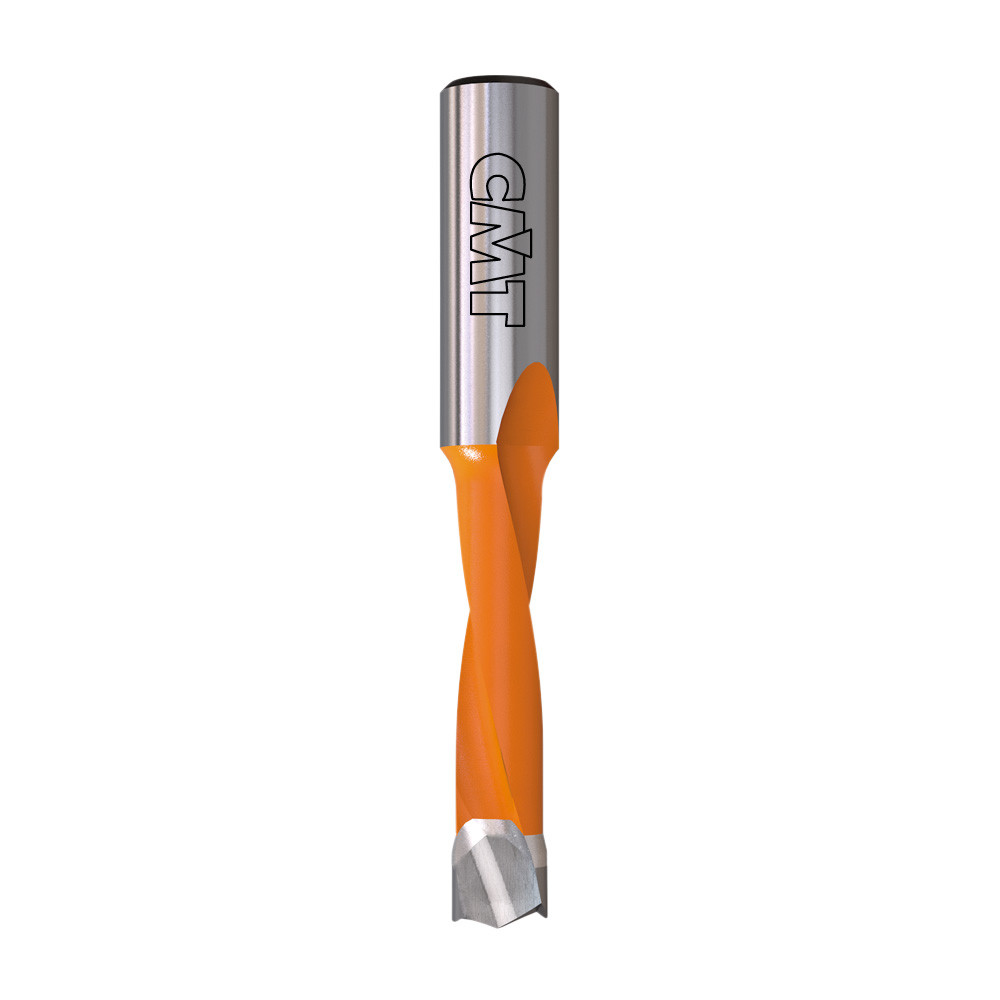
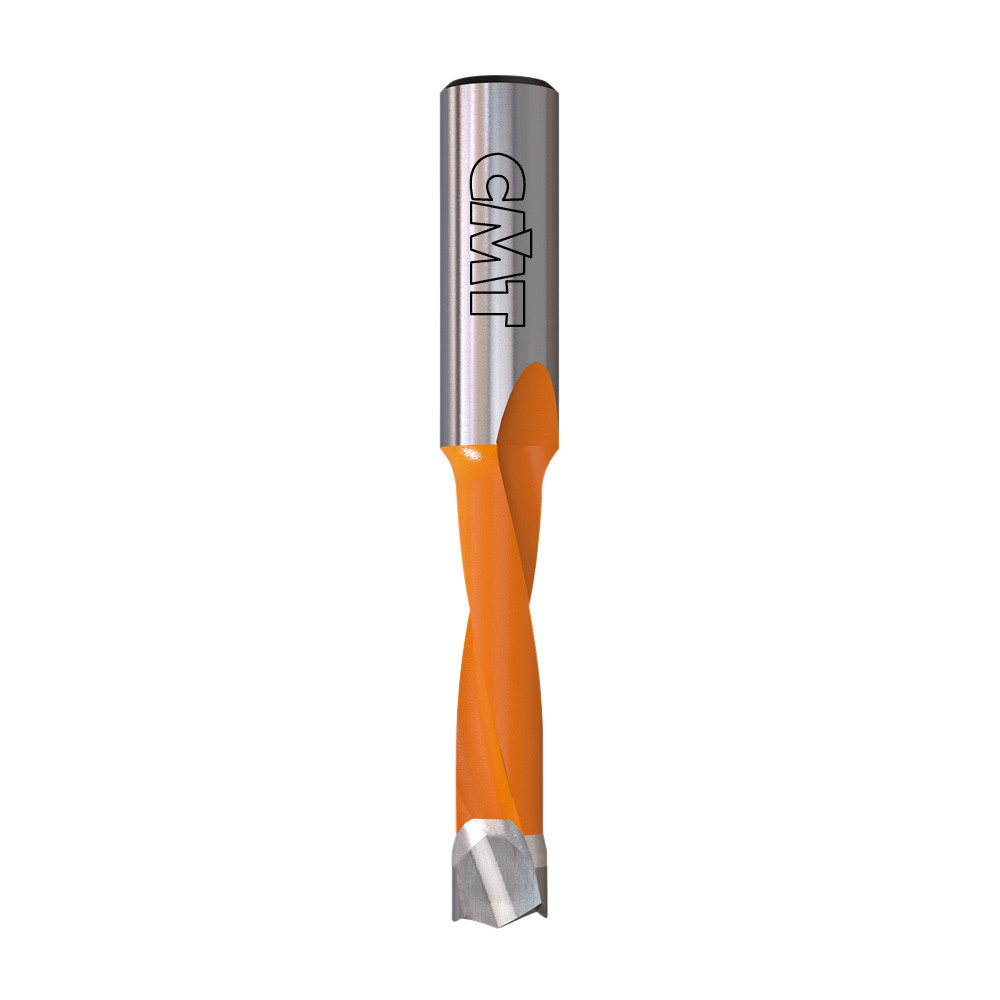
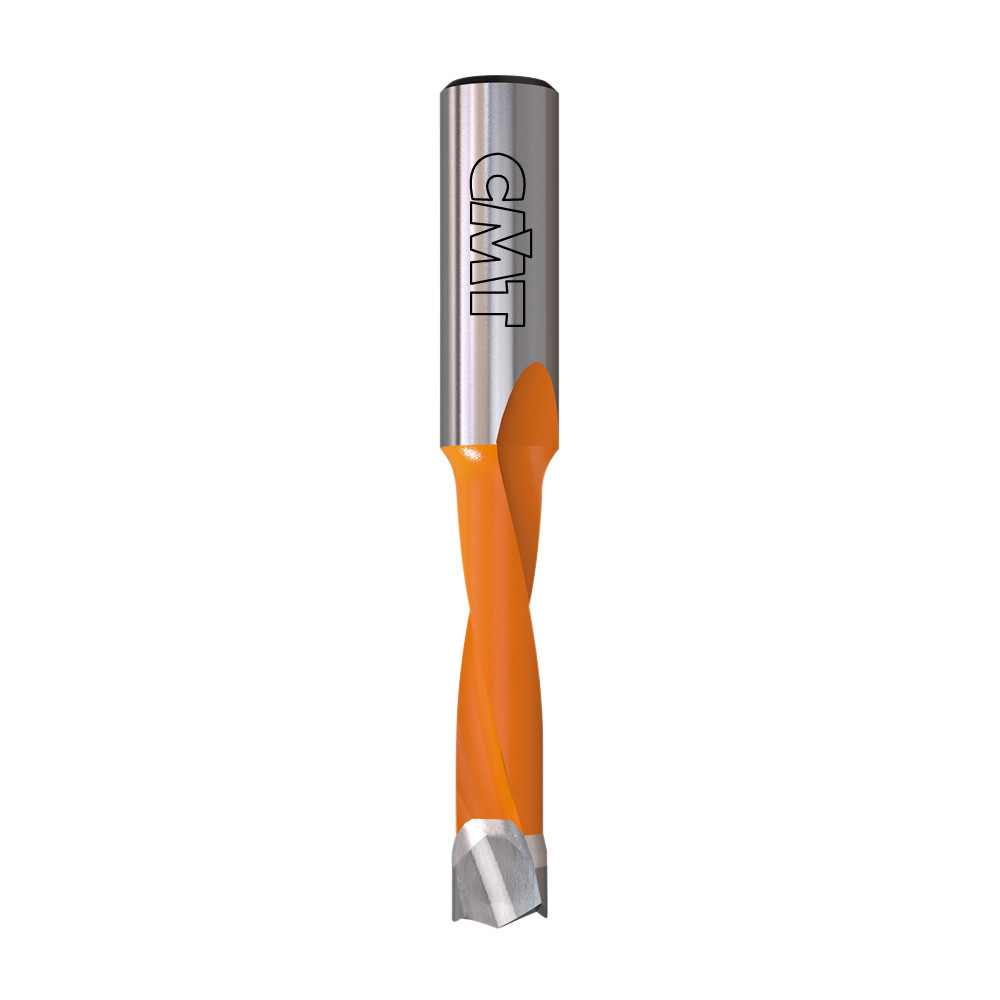
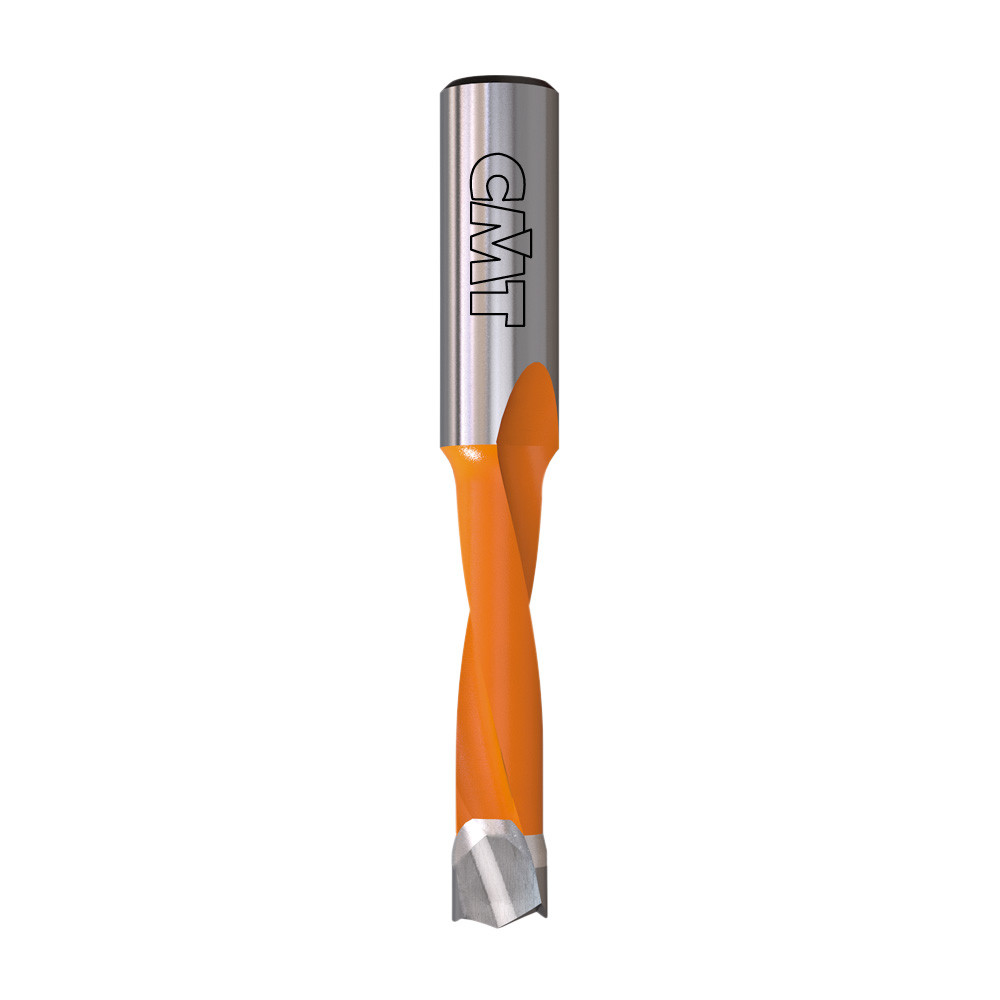
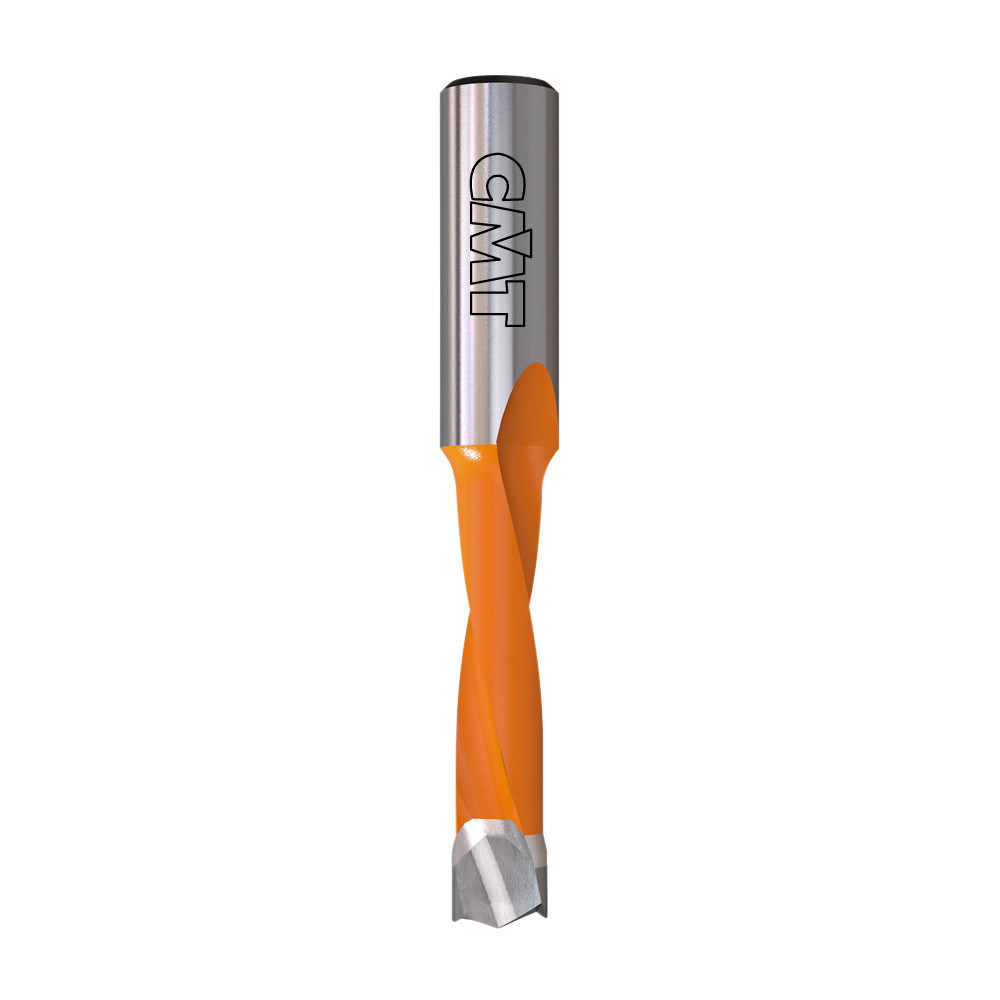
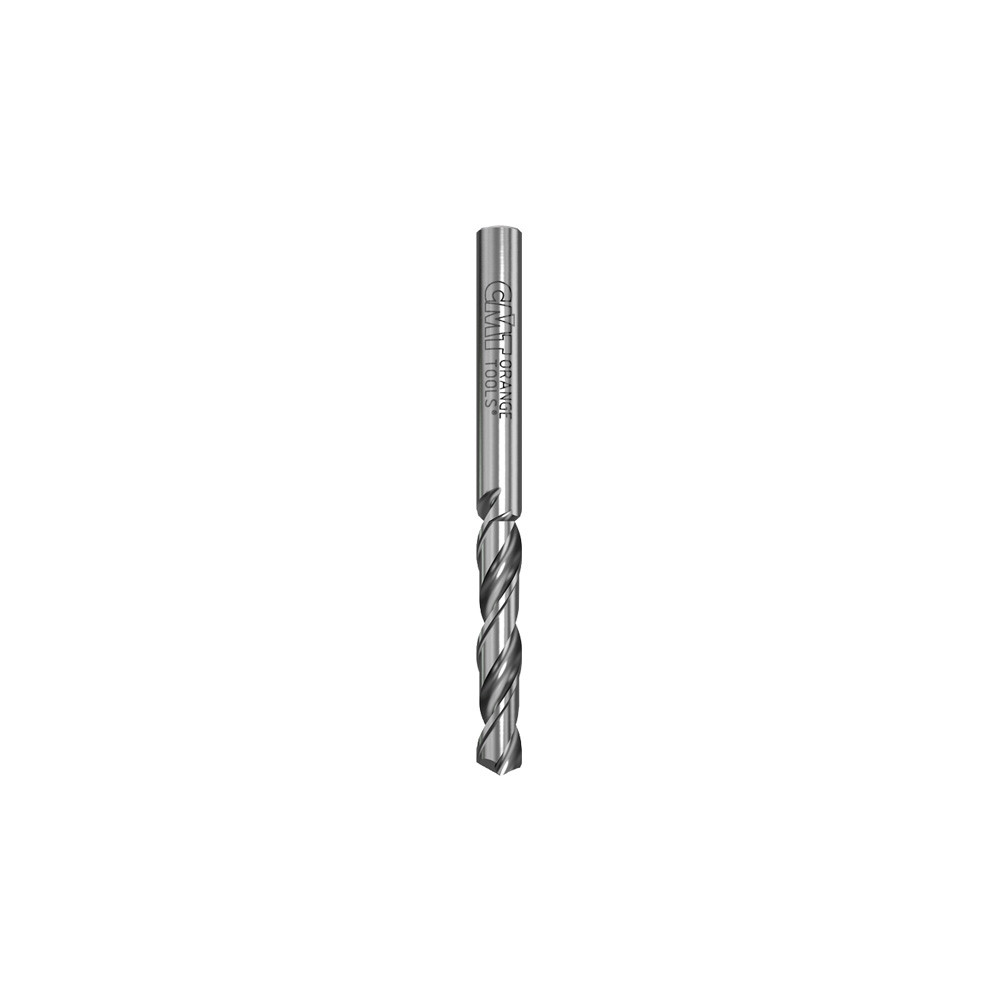
Drilling & Boring Shelf pins, construction holes, hinge boring, dowel drilling, hardware prep, and system-hole consistency.
Detailing V-grooves, engraving, chamfers, decorative details, lettering, signage, acoustic panels, and specialty routing.
Table Health Spoilboard surfacing, vacuum performance, flatness, small-part hold-down, and stable nested manufacturing.

Shop CNC router tooling by application.

Choose the category based on what the cutter has to do: protect both faces, evacuate chips, rough material quickly, finish visible edges, drill clean holes, engrave details, or keep the spoilboard flat and vacuum-ready.

Tooling Is Process Control

The bit, holder, collet, feed rate, and material all have to agree.

A bad edge is rarely just “a bad bit.” It can be the wrong flute geometry, wrong feed rate, bad chip load, worn collet, excessive runout, poor dust evacuation, weak vacuum, dull spoilboard, wrong cut direction, or a tooling library that operators do not trust. Titan helps connect the tool choice to the actual production process.

Optimize My Tooling

How to choose the right CNC router tool.

Start with the material and finish requirement, then work backward through the machine, holder, spindle, dust collection, vacuum, and downstream process.

For Melamine and TFL Start with compression tooling for clean top and bottom faces. Watch chip-out, brittle surfaces, heat, dull tools, scoring strategy, and whether the edge is going directly to edgebanding.
For MDF Choose tooling that manages fuzzing, heat, dust, edge density, finish-pass quality, and sanding requirements. Pocket doors and paint-grade parts may need different strategies than cabinet-box MDF.
For Plywood Watch veneer tear-out, core voids, glue lines, chip evacuation, compression length, tool sharpness, and whether the visible face needs a separate finish pass.
For Veneered Panels Prioritize face protection, grain direction, cut direction, sharp tooling, part support, finish-pass strategy, and clean material handling after machining.
For High-Gloss Panels Use tooling and process control that protects brittle decorative faces, film edges, chip control, heat buildup, edge quality, and downstream handling.
For Matte / Anti-Fingerprint Panels Choose tools and handling processes that reduce chips, rub marks, shiny pressure marks, dust dragging, buffing haze, and surface contamination.
For Heavy Roughing Use chipbreaker and roughing tools where cycle time and material removal matter. Follow with a finishing tool when the visible edge needs a cleaner final result.
For Small Parts Tool choice must work with hold-down. Check vacuum, spoilboard flatness, tabs, onion skin, cut order, feed rate, dust evacuation, and part movement.

Common CNC tooling problems and likely causes.

When parts start failing, the tool is only one part of the diagnosis. Check the full cutting system before blaming the material.

CUT QUALITY

Top-Face Chip-Out

Often tied to dull tooling, wrong cut direction, wrong flute geometry, feed/RPM mismatch, brittle surface material, vibration, or poor finish-pass strategy.

Check tooling geometry
BOTTOM FACE

Bottom Breakout

Often caused by poor compression length, damaged spoilboard, weak support, poor vacuum, excessive final pass load, or wrong sheet orientation.

Check spoilboard and support
TOOL LIFE

Short Tool Life

Can come from abrasive material, wrong chip load, heat, dust recutting, dirty collets, excessive runout, poor holders, or running tools too long without tracking.

Track sheets and footage
HOLD-DOWN

Small Parts Moving

Usually tied to vacuum leakage, spoilboard condition, part size, cut order, feed pressure, onion skin strategy, tabs, or poor zone management.

Check vacuum strategy
MDF

Fuzzy Edges

Usually caused by dull tools, wrong feed, too much heat, poor chip evacuation, poor MDF core quality, or a cutting strategy that leaves too much sanding labour.

Adjust chip load
VENEER

Veneer Tear-Out

Usually linked to grain direction, face orientation, unsupported fibres, dull tooling, aggressive passes, or no finish pass on visible edges.

Protect the face
HEAT

Burning or Black Edges

Common causes include low feed, too much RPM, dull tooling, poor chip evacuation, resin buildup, rubbing instead of cutting, or wrong tool for the material.

Increase chip quality
RUNOUT

Chatter and Vibration

Check holder cleanliness, collet wear, tool projection, spindle condition, material hold-down, feed settings, and whether the tool is overloaded.

Inspect tool holding

Router tooling support paths.

Send customers into the right support path based on whether they need to buy tooling, solve a cut-quality issue, dial in feed rates, or standardize a production process.

Need help choosing the right CNC router bit?

Send us the machine, spindle, holder, material, thickness, current tool, feed rate, RPM, edge issue, and production goal. Titan can help point you toward the right bit category, geometry, and process path.

View as Grid List

1 Item

Set Descending Direction
per page
Copyright © 2026 - Titan Equipment and Tooling Sales