Process EGGER Materials Cleaner While Protecting The Decor, Texture, And Finished Edge.
EGGER materials show up in cabinet shops, commercial millwork, furniture manufacturing, closets, wall panels, sliding doors, office interiors, and store fixtures. Whether the job uses PerfectSense Matt, lacquered MDF, lacquered particleboard, laminates, decorative panels, or matching ABS edging, the production goal is the same: clean cuts, controlled scoring, accurate direction, stable hold-down, good edgebanding, and finished parts that still look premium when they leave the shop.
Decor & TextureWoodgrain, matt, lacquered, laminate, and decorative surfaces need direction, sheen, and texture controlled before cutting starts.
02
Cut CleanlyCompression tooling and saw scoring help reduce chip-out, fuzzy cores, bottom breakout, chatter, and weak edge-banding prep.
03
Match The EdgeEGGER jobs often depend on coordinated board, laminate, ABS edge, texture, colour, sheen, glue-line, and finished-part appearance.
04
Think System-WideThe best EGGER result comes from matching tooling, scoring, edgebanding, direction control, cleaning, handling, and inspection together.
Material Handling Mindset
EGGER Is A System Material. The Panel, Edge, Texture, And Process All Have To Agree.
EGGER jobs can involve decorative boards, lacquered matt surfaces, matching edging, laminates, textured wood reproductions, high-design uni colours, and furniture components that need to line up visually.
Processing problems usually come from a mismatch between the material format, cutting method, saw scoring, CNC tooling, edgebander setup, handling discipline, and the way the shop manages direction, texture, and finished faces.
PerfectSenseDecorative BoardLaminateABS EdgingMDF CoreParticleboard CoreTexture DirectionEdge Match
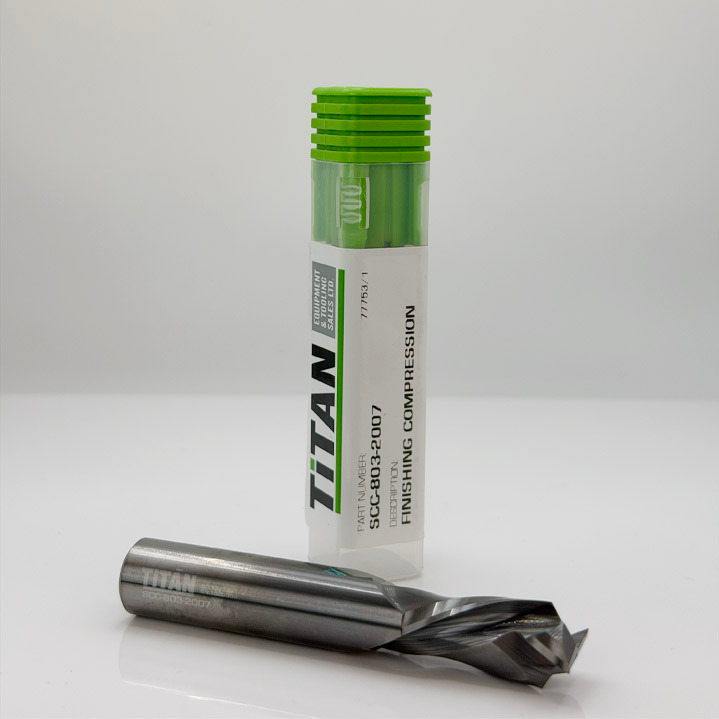
Preferred CNC Outline Cutter
GreenCap 1/2" MTCE Compression
Use this as the preferred outline cutter for EGGER panels on a CNC nest when finished faces, long cuts, exposed edges, and production stability matter.
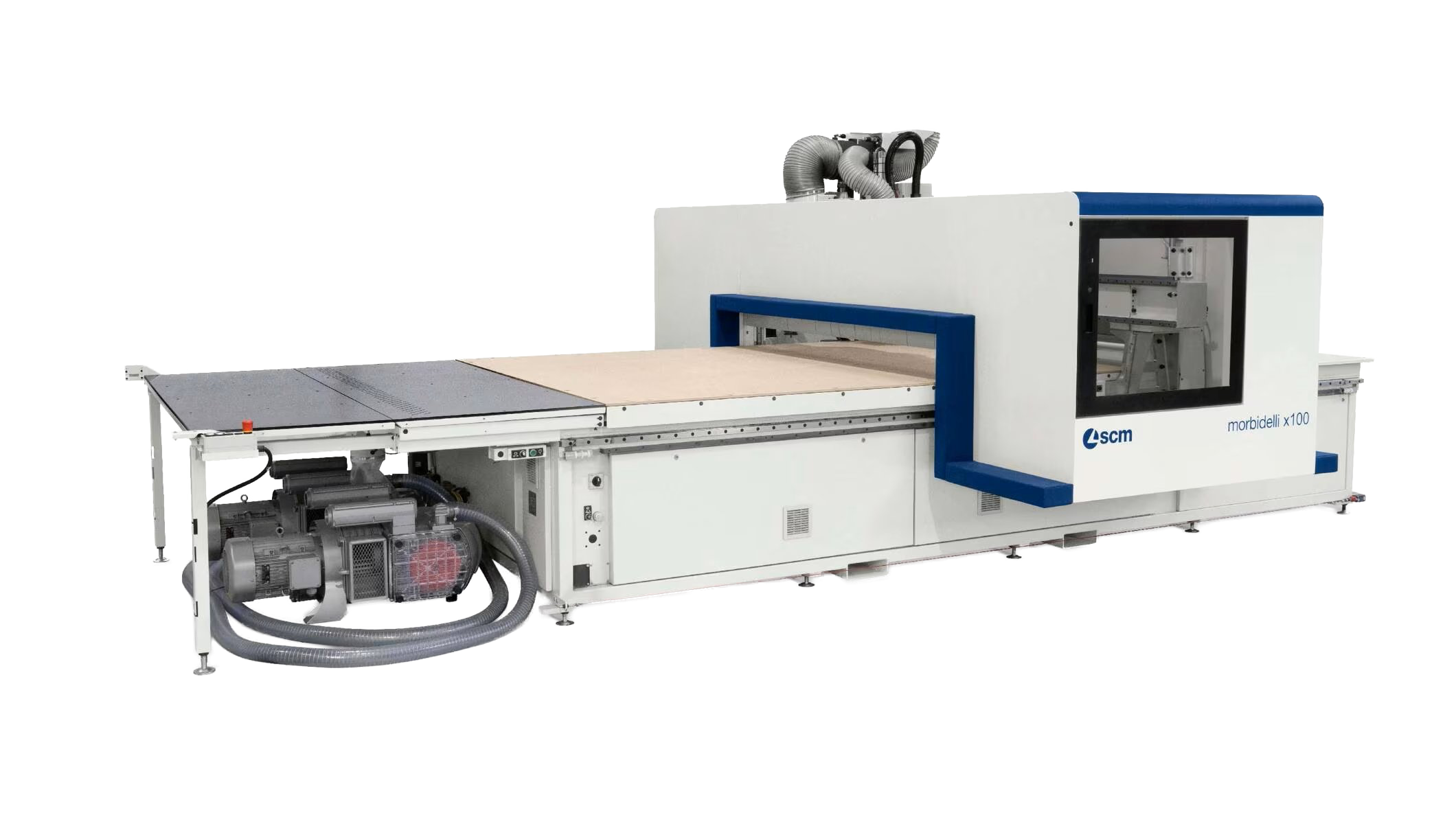
For high-quality EGGER processing, a stable CNC nesting platform helps support cleaner routing, better hold-down, repeatable labels, and smoother part flow.
Decor Match · Texture Direction · Edge Quality · Production Discipline
The Board Can Be Right And The Process Can Still Make It Look Wrong.
EGGER processing problems are often subtle: a slight chip on a dark decor, a gloss-level mismatch on a matt surface, a texture running the wrong way, a glue line showing against a light edge, a crushed particleboard corner, or a shiny rub mark on an anti-fingerprint face. The fix is rarely one setting. It is usually tooling, scoring, handling, edgebanding, and workflow working together.
PerfectSense MattUseful for fronts, visible sides, sliding door elements, office tables, and sideboards. Watch for surface scratches, sheen change, edge mismatch, and core edge quality.
Decorative BoardsDecorative board workflows can involve MDF or particleboard core. Confirm the exact core because MDF fuzzes differently than particleboard chips or crushes.
LaminatesMatt and decorative laminates need clean bonding, proper substrate prep, no telegraphing, careful trimming, and no over-polishing of the finished face.
ABS EdgingMatching edging should be coordinated by decor, texture, thickness, sheen, glue system, trimming setup, scraper setup, and buffing pressure.
Texture & DirectionWoodgrain, synchronized textures, matt lacquered textures, and visible fronts need planned direction. Doors and panels can look wrong if rotated casually.
Colour & Sample ControlDecor matching should be checked against real samples. Edge tape, board face, laminate, lighting, and viewing angle all affect the final appearance.
Know The Material Before You Cut It
Key EGGER Material Specification Notes.
Confirm the exact EGGER product, decor, texture, core type, thickness, sheet format, direction requirement, matching edging, and cleaning instructions before building production settings or quoting a large project.
Clean EGGER work is not only a tooling conversation. The best result comes from matching CNC tooling, panel saw scoring, edgebanding, dust collection, direction control, labelling, cleaning, handling, and inspection into one controlled workflow.
Exact CNC and saw settings depend on machine condition, spindle power, blade geometry, bit diameter, sheet format, core type, surface finish, vacuum, dust extraction, part size, edgebanding strategy, and production speed.
Preferred CNC CutterUse the GreenCap 1/2 inch MTCE compression cutter as the preferred outline tool for EGGER nesting when finished-panel stability is the priority.
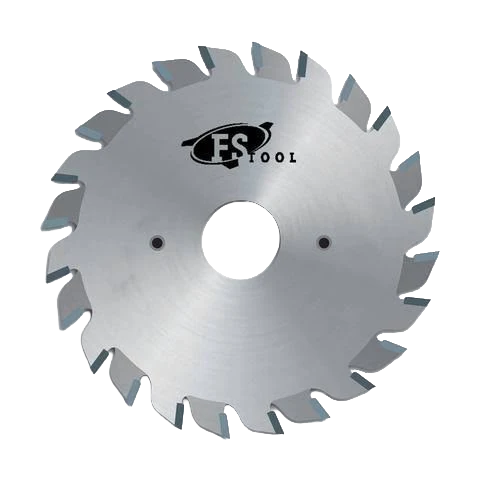
Panel Saw StrategyUse a sharp main blade and correctly aligned scoring blade. The scoring kerf must match the main blade path to prevent steps, double lines, and bottom-face chip-out.
Feed StrategyUse a stable controlled feed rate that cuts chips cleanly without forcing the decor or overheating the edge. Validate on offcuts before production.
RPM StrategyBalance RPM against chip load. Too much rubbing can create heat, polish marks, short tool life, laminate chipping, or poor edge-banding prep.
Hold-DownVacuum strength, spoilboard condition, gasketing, panel flatness, and small-part movement affect finished edge quality. Movement shows up quickly.
Direction ControlTrack grain, texture, door orientation, filler orientation, and part labels before cutting. A clean part can still fail if direction is wrong.
Edgebanding
EGGER Edge Strategy For Decorative Panel Workflows.
EGGER projects often depend on matching board, laminate, ABS edge, texture direction, sheen, and final inspection. The cut edge has to support the edgebander, glue system, trimming, scraping, buffing, and the finished visual result.
Summary
Cut For The Edge Result, Not Just The Nested Shape.
The best EGGER parts come off the CNC or saw with an edge clean enough to move downstream without hand cleanup. That means tooling, scoring, feed/RPM, chip evacuation, and hold-down need to support the banding process before the panel reaches the edgebander.
Matching ABS edge, glue colour, PUR/EVA glue, pre-milling, trimming, scraping, buffing, and final cleaning can all expose problems from the original cut. Build the cut strategy around the final edge requirement.
Matching EdgeCoordinate the board decor, laminate, ABS edge, sheen, texture, thickness, and edge direction so the final component looks intentional.
Pre-Mill ConditionPre-milling can improve the banding surface, but it cannot fully recover a badly chipped, heated, crushed, or unstable cut edge.
Glue StrategyGlue type, glue colour, application rate, pressure zone, temperature, and panel cleanliness all affect the visible glue line.
Finish QualityCleaner edges support better trimming, scraping, buffing, cleaning, and final inspection with fewer visible polish or glue-line defects.
Common Issues
Production Issues To Watch For.
EGGER issues are often visual: direction mismatch, a glue line that stands out, a chip on a dark decor, a rub mark on matt finish, or a crushed corner after handling.
01
Visible Edge Defect
Chip-Out Or Breakout
Usually tied to dull tooling, poor compression geometry, bad scoring alignment, unsupported bottom face, incorrect feed/RPM, or part movement.
02
Visual Layout Issue
Texture Direction Mismatch
Woodgrain, matt texture, synchronized texture, doors, fillers, and panels can look wrong if part orientation is not controlled before cutting.
03
Surface Finish Defect
Rub Marks Or Cleaning Haze
Matt surfaces and anti-fingerprint finishes can show polishing, shiny rub marks, cleaning haze, scratches, or handling marks if the process is careless.
04
Edgebanding Issue
Visible Glue Line
Usually caused by wrong glue colour, too much glue, weak pressure, dirty edges, poor pre-mill, wrong tape thickness, or scraper problems.
Process Demos
EGGER Demo Content That Supports The Shop Floor.
Use this section for Titan demos as they are produced. Each demo should connect directly to a real EGGER production issue and a recommended tooling, machine, or handling category.
EGGER Compression Bit Test
Compare edge quality across PerfectSense, decorative board, MDF-core, and particleboard-core material using the GreenCap 1/2 inch MTCE compression bit.
Scoring Blade Setup For EGGER Panels
Show how scoring blade height, width, and alignment affect bottom-face chip-out on decorative panels.
Matching EGGER Edging To Finished Panels
Demonstrate edge tape selection, glue-line control, pre-mill setup, scraping, buffing, and final visual inspection.
EGGER Troubleshooting Request
Send Us The EGGER Issue. We’ll Help Diagnose The Production Problem.
Use this form when EGGER material is chipping, scratching, breaking out, banding poorly, showing texture mismatch, direction mismatch, glue-line problems, matt surface rub marks, laminate bond issues, or handling damage.
Top or bottom chip-out during CNC routing or saw cutting.
Bottom breakout from scoring errors or unsupported final passes.
Visible glue line, open glue line, poor edge match, or edge lifting.
Matt surface polishing, shiny rub marks, cleaning haze, or scratches.
Direction mismatch between doors, fillers, drawer fronts, or panels.