High Gloss · Matte · PET · Acrylic · Decorative MDF
Cut AGT Panels Cleaner With The Right Tooling Strategy.
AGT high-gloss, matte, PET, acrylic, and decorative MDF panels demand sharp tooling, stable feed rates, clean hold-down, controlled chip evacuation, and the right cutting method. Titan helps cabinet shops dial in the machine, tool, and process before expensive panels become expensive rejects.
Finished SurfaceHigh-gloss, matte, PET, acrylic, and decorative AGT faces need to stay clean from cutting through handling.
02
Cut CleanlyCompression tooling, scoring, and stable CNC setup help control micro-chipping, bottom breakout, and rough finished edges.
03
Control HeatFeed, RPM, tool sharpness, and dust extraction need to prevent rubbing, PET smearing, glazing, and melted-looking edges.
04
Think System-WideThe best AGT result comes from matching tooling, vacuum, chip evacuation, scoring, film handling, edgebanding, and material flow together.
Material Handling Mindset
AGT Panel Cutting Is Not Guesswork. Treat It Like A Finished Component.
High-finish panels punish weak tooling and sloppy setup. The goal is not simply to cut the panel. The goal is to protect the finished face, maintain edge quality, prevent heat damage, and keep production repeatable across full runs.
AGT results depend on the whole system: tool sharpness, spindle speed, feed rate, material hold-down, dust extraction, protective film condition, toolpath strategy, edge-banding prep, operator handling, and machine rigidity.
High GlossMattePETAcrylicDecorative MDFCompression CuttingHeat ControlFilm Protection
Preferred CNC Outline Cutter
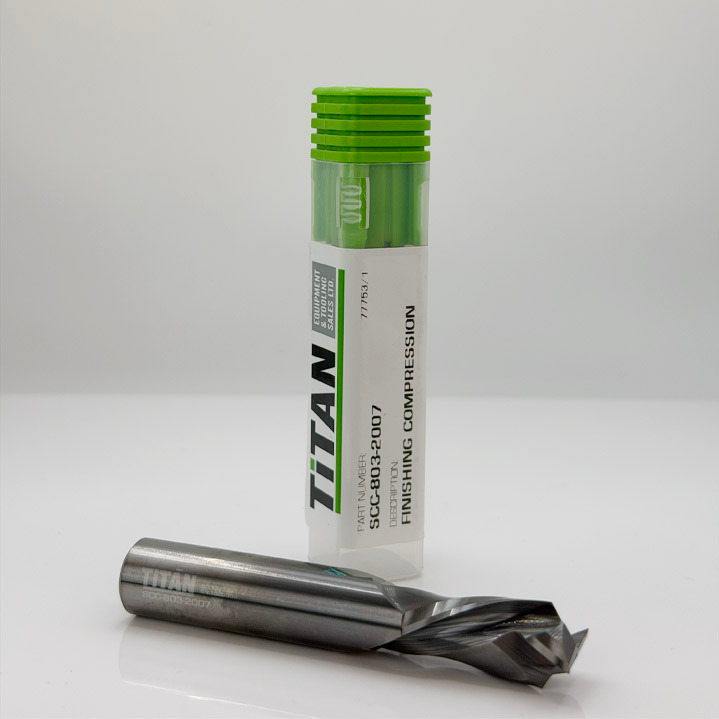
GreenCap 1/2" MTCE Compression
Use this as the preferred outline cutter for AGT panels on a CNC nest when finished faces, long cuts, exposed edges, and production stability matter.
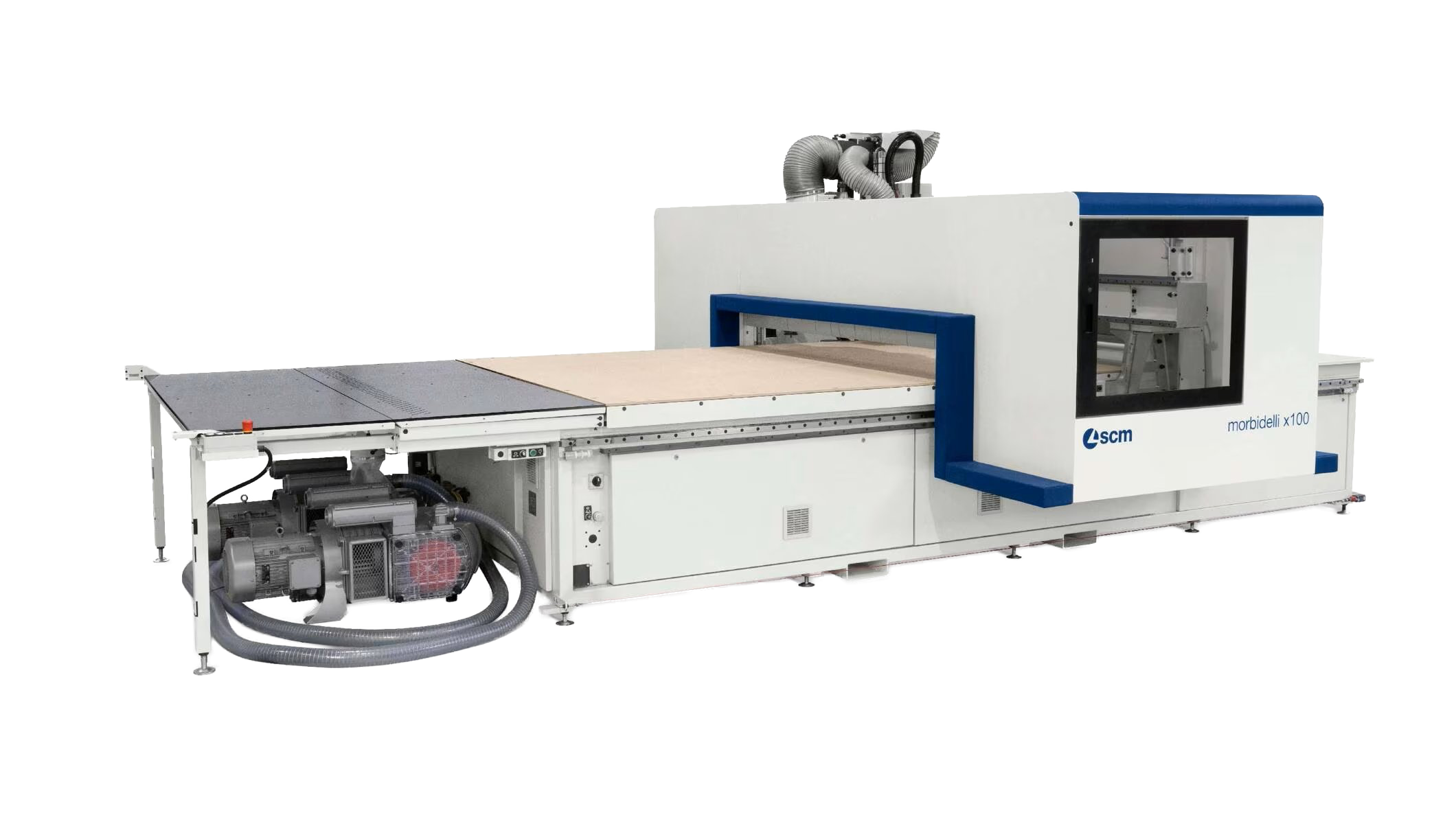
For high-quality AGT processing, a stable CNC nesting platform helps support cleaner routing, better hold-down, repeatable labels, and smoother part flow.
AGT results depend on the whole setup working together: tool sharpness, spindle speed, feed rate, vacuum hold-down, dust extraction, protective film condition, toolpath strategy, edge-banding prep, operator handling, and machine rigidity. If one part of the system is weak, the defect usually shows up as micro-chipping, face scratches, film drag, heat damage, or poor edge-banding prep.
Panel TypesAGT workflows can include high-gloss, matte, PET, acrylic, textured, patterned, and decorative MDF panel formats. Confirm the actual surface before setting the cut recipe.
Finished Face RiskHigh-finish surfaces show scratches, chips, dust contamination, dragging, film marks, and handling damage quickly. Treat every part like a finished component.
Protective FilmFilm condition matters. Film drag, lifting, wrinkling, trapped chips, static dust, or debris under the face can create finish issues during or after cutting.
Core & Edge PrepDecorative MDF and finished panels need an edge that is clean enough for premium banding. Fuzzy edges, heat, vibration, or chipped faces create downstream problems.
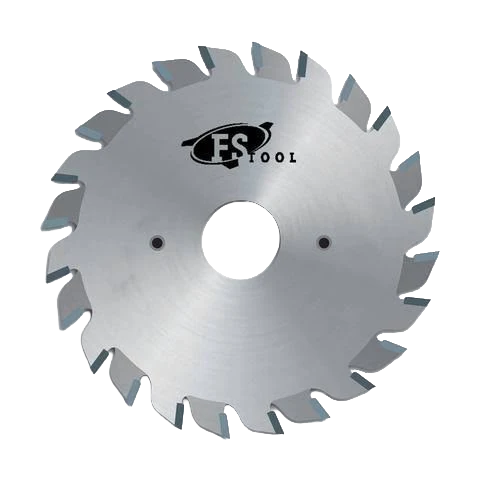
Cutting MethodCNC compression routing is the preferred starting point for nested parts. Panel saw processing should use a properly matched main blade and scoring blade setup.
Production NoteAGT defects are usually system issues. Tooling, scoring, spoilboard, vacuum, dust extraction, feed/RPM balance, film behaviour, and handling all interact.
Know The Panel Before You Cut It
Key AGT Panel Specification Notes.
AGT high-finish panels require a cutting strategy built around finish protection. A clean edge is not only about the tool. It is also about dust extraction, chip load, film condition, hold-down, part movement, tool projection, and how the panel is handled after cutting.
A shop can make the same cutter look excellent or terrible depending on the setup. That is why the best result comes from validating the full process on offcuts before the next production run.
Exact CNC and saw settings depend on the customer’s machine, spindle, saw, tooling diameter, blade geometry, sheet thickness, surface type, part size, vacuum, dust extraction, and desired output rate.
Preferred CNC CutterUse the GreenCap 1/2 inch MTCE compression cutter as the preferred outline tool for AGT nesting when premium finished-edge quality is the priority.
Saw StrategyFor saw workflows, pair a high-finish main blade with a properly matched scoring blade to reduce bottom breakout and control surface chipping.
Feed StrategyUse a feed rate that cuts instead of rubs. Validate the edge on offcuts before running a full sheet, especially on high-gloss and PET faces.
RPM StrategyBalance RPM against chip load. Too much rubbing can create heat, smearing, polishing, short tool life, and melted-looking edge behaviour.
Hold-DownVacuum quality, spoilboard condition, gasketing, part movement, and vibration all affect edge quality. Movement shows up fast on finished panels.
Film & Dust ControlProtective film, static dust, trapped chips, and dirty tables can scratch or mark high-finish surfaces. Clean extraction and disciplined handling matter.
Edgebanding
AGT Edge Prep And Premium Banding Readiness.
High-finish AGT parts need an edge that supports the finished face, the core, and the banding process. The cleaner the edge is before the edgebander, the more consistent the glue line, trimming, scraping, and final polish will be.
Summary
Get The Edge Ready Before It Hits The Edgebander.
AGT panels can show edge defects quickly because the surface is already finished and often reflective. A clean compression cut or properly scored saw cut gives the edgebander a better starting point.
Glue choice, pre-mill condition, edge tape selection, trimming, scraping, buffing, and part handling should be matched to the surface type and final quality target.
PET EdgeAcrylic EdgeABS EdgePre-Mill ReadyGlue-Line ControlTrim / Scrape / BuffFilm ManagementScratch Control
Matching EdgeCoordinate panel finish, edge material, thickness, sheen, and colour match so the finished door, drawer front, or panel component looks intentional.
Pre-Mill ConditionPre-milling can improve the banding surface, but it cannot fully recover a badly chipped, heated, or unstable edge coming from the saw or CNC.
Glue StrategyEVA, PUR, and other glue systems should be selected based on appearance expectations, bond requirements, production environment, and edge material.
Finish QualityCleaner edges support better trimming, scraping, buffing, and final inspection with fewer visible glue-line or polish defects.
Common Issues
Production Issues To Watch For.
High-finish AGT problems are usually expensive because the finished surface is already the final visual product. Catching the common failure points early keeps more parts usable.
01
Visible Edge Defect
Micro-Chipping
Usually tied to dull tooling, weak compression geometry, poor scoring, unsupported bottom face, incorrect feed/RPM balance, or part movement.
02
Finish Damage
Face Scratching
Often caused by dirty tables, trapped chips, static dust, careless stacking, dragging, return systems, conveyors, or poor film handling.
03
Thermal Defect
Heat, Smearing, Or Glazing
Can happen when tooling rubs instead of cuts, chip evacuation is weak, feed speed is wrong, or the tool is too dull for a clean finished-panel edge.
04
Downstream Issue
Poor Edgebanding Prep
Fuzzy MDF core, chipped faces, heat damage, or vibration marks can show later as glue-line visibility, trimming problems, or weak finished-edge quality.
Process Demos
AGT Demo Content That Supports The Shop Floor.
Short demos can show what cleaner compression cutting, proper scoring, film control, and careful high-finish panel handling look like in real production conditions.
AGT Compression Bit Test
Compare edge quality on AGT using the GreenCap 1/2 inch MTCE compression bit, feed strategy, RPM, dust extraction, and hold-down setup.
Scoring Blade Setup For AGT
Show how scoring blade height, alignment, blade condition, and sheet orientation affect bottom breakout on high-finish decorative panels.
High-Finish Panel Handling Demo
Demonstrate carts, stacking, part separation, offloading, inspection, film management, and scratch prevention for AGT components.
AGT Troubleshooting Request
Send Us The AGT Issue. We’ll Help Tighten Up The Cut, Edge, And Flow.
Use this form when AGT is micro-chipping, scratching, burning, smearing, lifting film, banding poorly, drilling poorly, or getting damaged during handling. High-finish panels need the full process dialed in.
Micro-chipping on the top or bottom face during CNC cutting.
High-gloss scratches from tables, conveyors, carts, rollers, or stacking.
Film drag, film lifting, film wrinkling, or chips trapped under protective film.
Heat marks, melted edge appearance, PET smearing, or glossy rubbed edges.
Bottom breakout from saw processing or unsupported CNC final passes.