
01
Visible Edge Defect
Face Chip-Out Or Bottom Breakout
Usually tied to dull tooling, weak compression geometry, scoring issues, unsupported exits, poor vacuum, or part movement during the final pass.
CLEAF panel products are specified for high-design interiors where the decorative surface is the value. The texture, grain, colour, sheen, and matching edge all need to survive CNC routing, saw cutting, edgebanding, cleaning, stacking, and final handling. Titan helps shops dial in the tooling, scoring, edge prep, glue strategy, and handling workflow so CLEAF parts still look premium when they leave production.
CLEAF materials are built around coordinated panels, laminates, and edges. That means the CNC cut, saw score, edgebander setup, glue colour, edge thickness, scraper pressure, buffing pressure, material direction, and shop handling all affect whether the finished part looks intentional or visibly wrong.
Production problems usually come from the interaction between the texture, decor, core, direction, machine setup, tooling, scoring, hold-down, dust extraction, edgebanding, cleaning, and handling. The more premium the surface, the more visible the mistake.
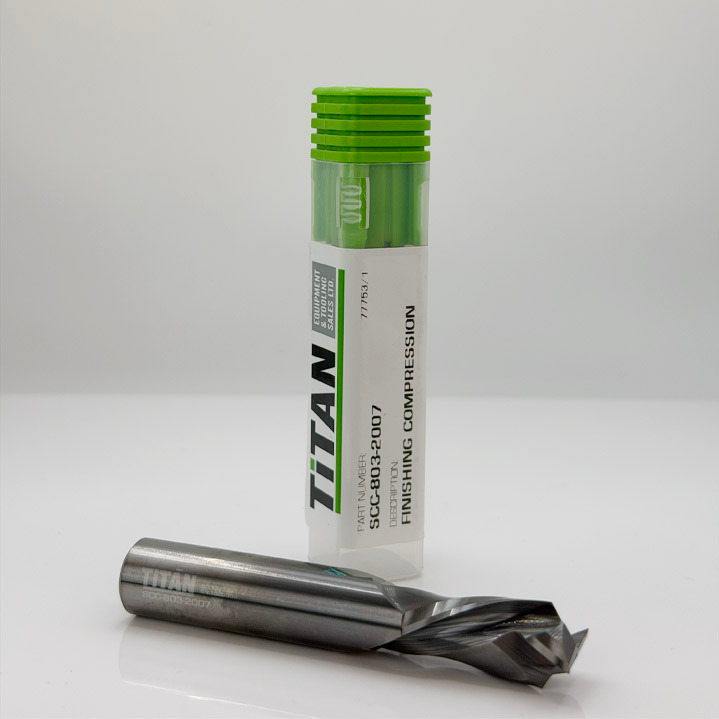
Use this as the preferred outline cutter for CLEAF panels on a CNC nest when finished faces, long cuts, exposed edges, and production stability matter.
View Product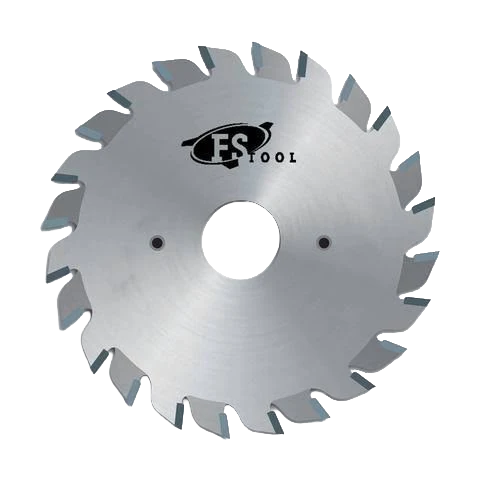
Beam saws and sliding table saws need matched scoring, clean sheet support, and a sharp main blade to protect textured finished faces.
View Scoring Blades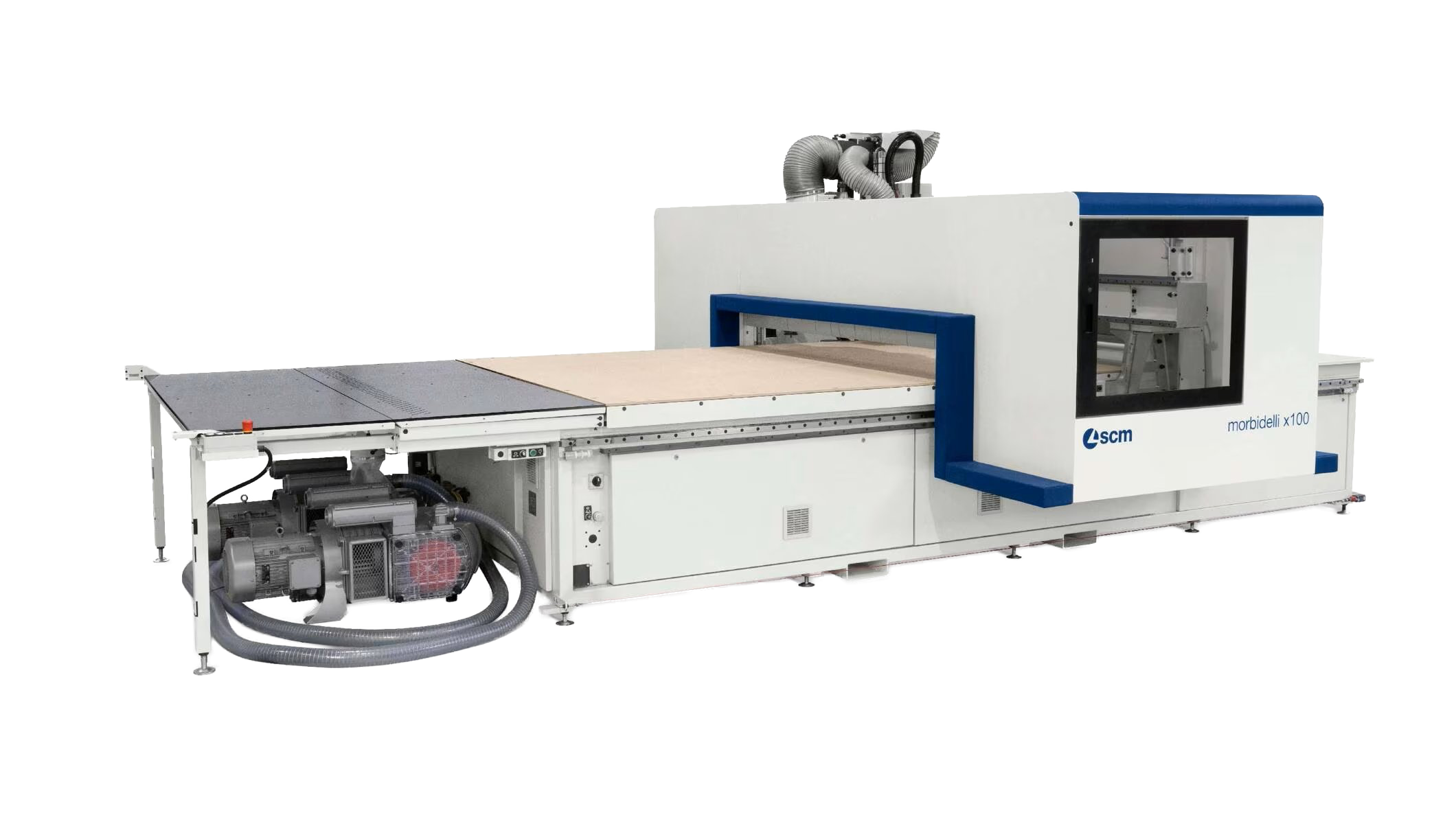
For high-quality CLEAF processing, a stable CNC nesting platform helps support cleaner routing, better hold-down, repeatable labels, and smoother part flow.
View CNC Nesting MachinesCLEAF production problems often appear as small defects that become obvious in finished interiors: texture direction flipped on one door, chipped dark edges, over-buffed ABS edge, visible glue line, shiny rub mark, crushed corner, or a saw score line on a visible face. The fix is a controlled production process from first cut to final handling.
Book CLEAF Process ReviewAlways confirm the exact CLEAF finish, decor, texture, panel type, core type, laminate type, edge band, thickness, sheet format, direction requirement, and cleaning instructions before nesting, quoting, or producing a large order.
Clean CLEAF work is not only a tooling conversation. The best result comes from matching CNC tooling, panel saw scoring, edgebanding, dust collection, texture control, labelling, cleaning, handling, and inspection into one controlled workflow.
Exact CNC and saw settings depend on machine condition, spindle power, blade geometry, bit diameter, sheet format, core type, surface texture, vacuum, dust extraction, part size, edge strategy, and production rate.
CLEAF edge quality is not only about bond strength. The edge has to coordinate with the panel face, decor, texture, sheen, glue-line, scraper finish, buffing result, and final inspection.
CLEAF parts often fail visually at the edge. A small mismatch in edge tape, glue colour, gloss level, scrape pressure, buffing pressure, or texture direction can stand out on finished cabinetry and wall panels.
Start with a clean saw or CNC edge, then control the edgebander setup so trimming, scraping, buffing, and cleaning support the finished surface instead of marking it.
CLEAF issues are usually visual, tactile, or edge-related. Small defects become obvious once the part is installed under real light, next to matching doors, panels, fillers, and edge bands.
Usually tied to dull tooling, weak compression geometry, scoring issues, unsupported exits, poor vacuum, or part movement during the final pass.
Doors, fronts, fillers, wall panels, and exposed components can look wrong if the texture or grain direction is not controlled during nesting and stacking.
Dirty tables, conveyors, carts, abrasive wiping, dry rubbing, trapped chips, and over-buffing can change the finish or damage textured surfaces.
Common causes include wrong tape, wrong sheen, dirty edge, poor pre-mill, wrong glue volume, scraper pressure, or weak pressure-zone setup.
Use this section for Titan demos as they are produced. Each demo should connect directly to a real CLEAF production issue and a recommended tooling, machine, edge, or handling category.
Compare edge quality, top-face finish, bottom-face breakout, and chip evacuation using the GreenCap 1/2 inch MTCE compression bit.
Show how scoring blade width, height, alignment, and sheet support affect finished-face breakout on textured decorative panels.
Demonstrate texture direction, edge tape selection, scraper/buffing control, part separation, stacking, and final surface protection.
Use this form when CLEAF is chipping, scratching, breaking out, banding poorly, showing texture-direction problems, creating edge defects, or getting damaged during handling. The goal is to identify whether the issue is tooling, scoring, CNC hold-down, dust extraction, saw setup, edging strategy, part orientation, cleaning, or material handling.