F01
Best fit outranks highest specification
A machine earns its place by solving the customer's production problem. Extra speed, automation, axes, stations, width, or tooling capacity only matter when the shop can use them.
Titan compares machinery within the equipment families we represent. The goal is not to push every customer toward the highest specification or the highest purchase price. The goal is to match the machine, supporting systems, and expansion path to the customer’s products, production volume, quality requirements, available people, facility, service plan, and measurable business objective.
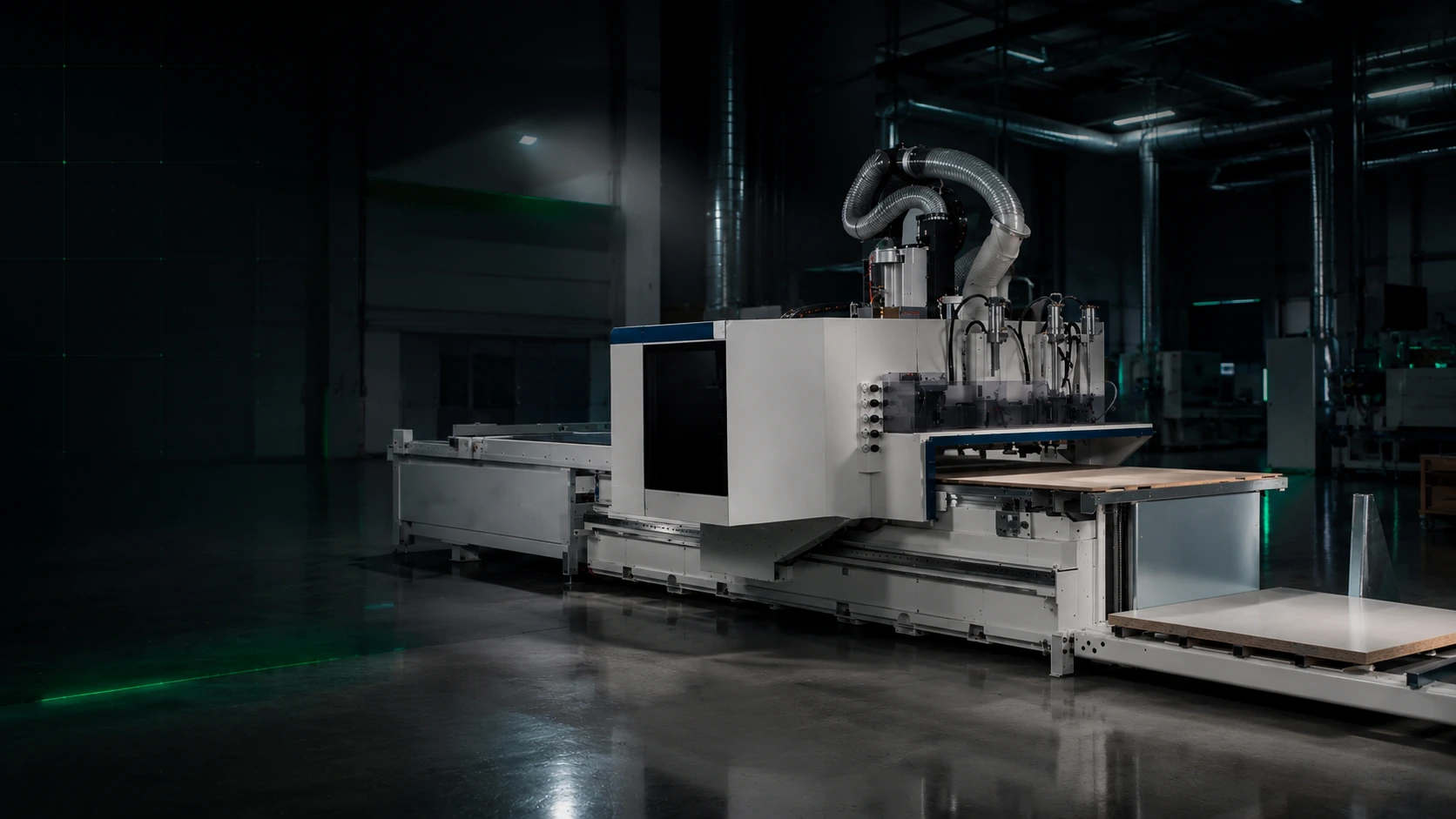
A higher specification only becomes a better recommendation when the customer can use it. Titan compares the smallest viable option, the right-sized production option, and the justified growth option. We then show what each choice changes in capacity, labour, quality, tooling, infrastructure, handling, software, maintenance, and future expansion.
These principles keep the conversation centered on customer application, dependable production, implementation risk, and complete ownership—not the pressure to move toward a larger or more expensive model.
A machine earns its place by solving the customer's production problem. Extra speed, automation, axes, stations, width, or tooling capacity only matter when the shop can use them.
We start with parts, materials, finish, volume, routing, quality, labour, layout, and delivery requirements before narrowing the machine family.
The next purchase should address the constraint limiting complete customer output—not the machine that is easiest to quote or most impressive to demonstrate.
Brochure speed is not shop capacity. We compare good output after setup, handling, product mix, tool changes, maintenance, staffing, and downstream limits.
A compact machine may produce better returns when it fits the footprint, skills, work mix, service plan, and realistic demand without creating unused overhead.
Larger tables, more stations, automated loading, higher feed rates, and heavier construction should be connected to measurable requirements and future demand.
Tooling, software, dust collection, vacuum, air, power, handling, labels, training, maintenance, service access, and ramp-up are part of the recommendation.
A successful upgrade changes the flow. We check what becomes the new bottleneck after the machine is installed and include the surrounding work needed to absorb the gain.
The recommendation must fit available skills, staffing, shift structure, setup discipline, programming support, maintenance capability, and the time available for training.
Output that requires sorting, rework, remakes, hand finishing, or repeated adjustments is not dependable production capacity.
Tooling, abrasives, extraction, maintenance, software, service, labour, energy, consumables, and downtime belong in the comparison.
If layout, data, tooling, maintenance, training, scheduling, dust, or material handling is the real issue, Titan can recommend fixing that first.
Each machine family is reviewed against the same operating data. This prevents a comparison from becoming a list of isolated specifications that are disconnected from the shop.
Cabinet parts, doors, windows, frames, mouldings, panels, furniture components, timber members, or mixed custom work.
Melamine, MDF, plywood, veneer, hardwood, softwood, HPL, painted panels, high-gloss surfaces, or specialty materials.
Maximum and minimum length, width, thickness, weight, geometry, edge condition, workholding area, and handling clearance.
Cutting, routing, drilling, boring, profiling, sanding, calibrating, edging, pressing, clamping, insertion, packaging, or recovery.
Custom one-off, low-volume repeat, mixed production, high-volume cells, multi-shift operation, and seasonal demand.
How often the shop changes materials, dimensions, edge types, programs, tooling, finish requirements, and order sequence.
Dimensional tolerance, edge appearance, finish quality, profile consistency, chip control, sanding pattern, and first-pass acceptance.
Operators per shift, loading and unloading, programming, setup, sorting, inspection, maintenance, and downstream staffing.
Design source, CAM, posts, labels, nesting, optimization, ERP or MES handoff, revision control, and backup procedures.
Cutters, holders, collets, blades, scoring, drills, abrasives, glue, filters, lubrication, and service intervals.
Footprint, floor, access, power, air, vacuum, dust extraction, network, heat, lighting, fire requirements, and rigging.
Sheet storage, carts, conveyors, return systems, lifts, robots, buffers, offcuts, finished-part protection, and traffic flow.
Operator care, preventive maintenance, critical spares, remote support, technician access, planned downtime, and recovery.
Current demand, approved sales growth, new products, second shift, automation readiness, expansion space, and replacement timing.
Complete installed cost, operating cost, working capital, training, ramp-up, contingency, and acceptable payment or payback range.
Representative materials, products, programs, operators, cycle mix, quality checks, output target, and signed completion criteria.
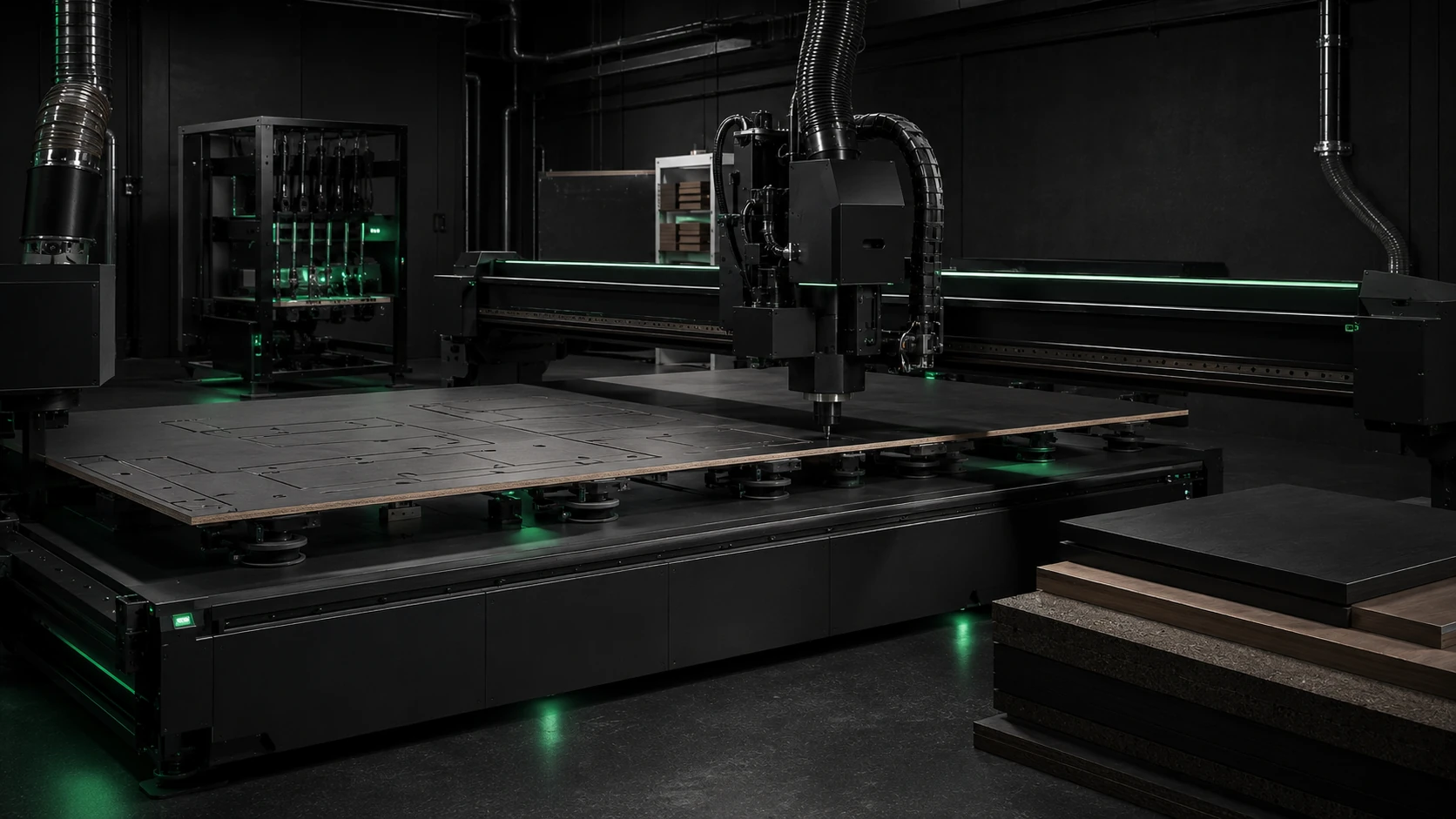
Compare CNC platforms by part type, workholding, drilling, tool capacity, axes, table format, loading strategy, software flow, and the production rate the rest of the shop can absorb.
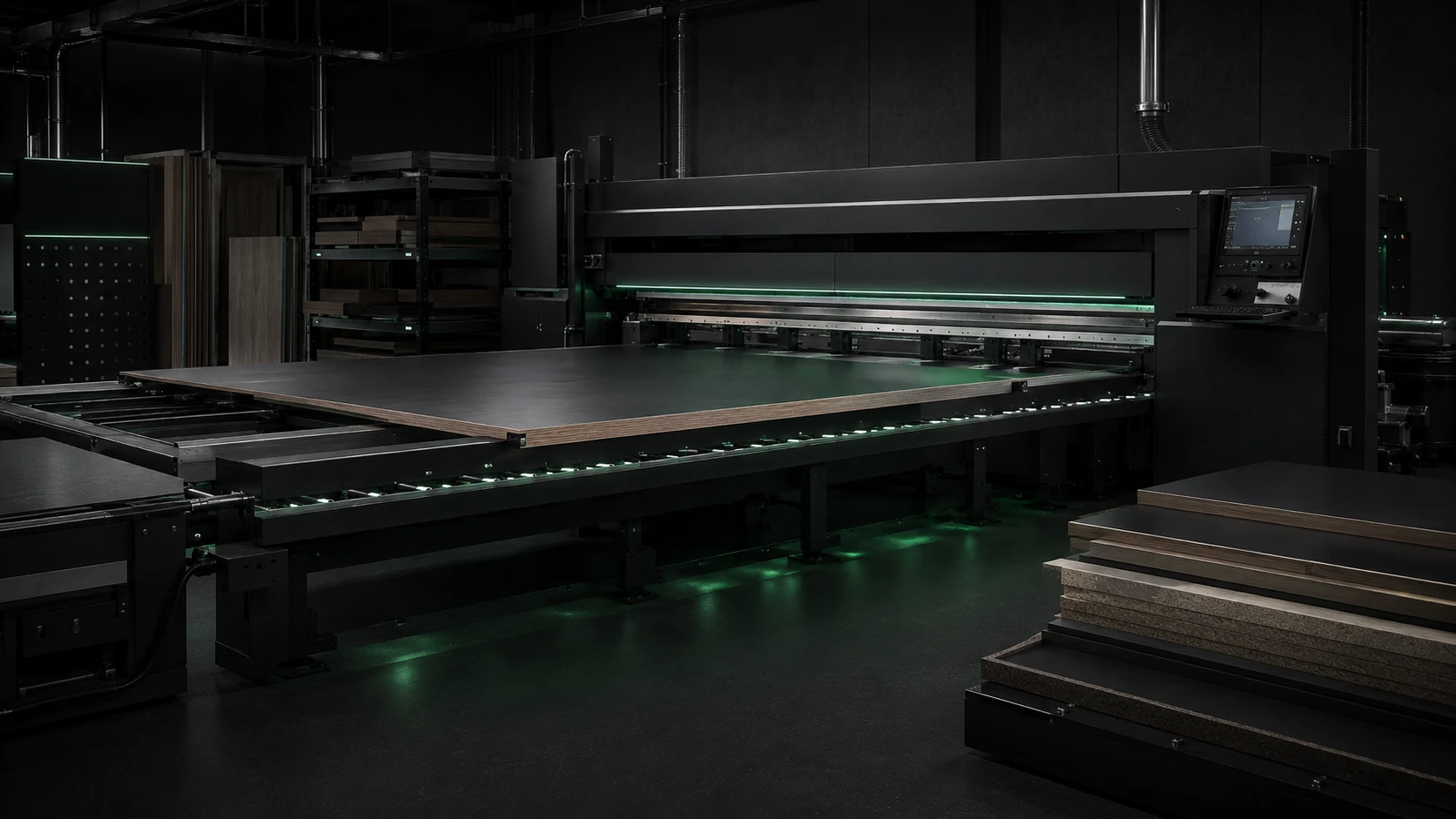
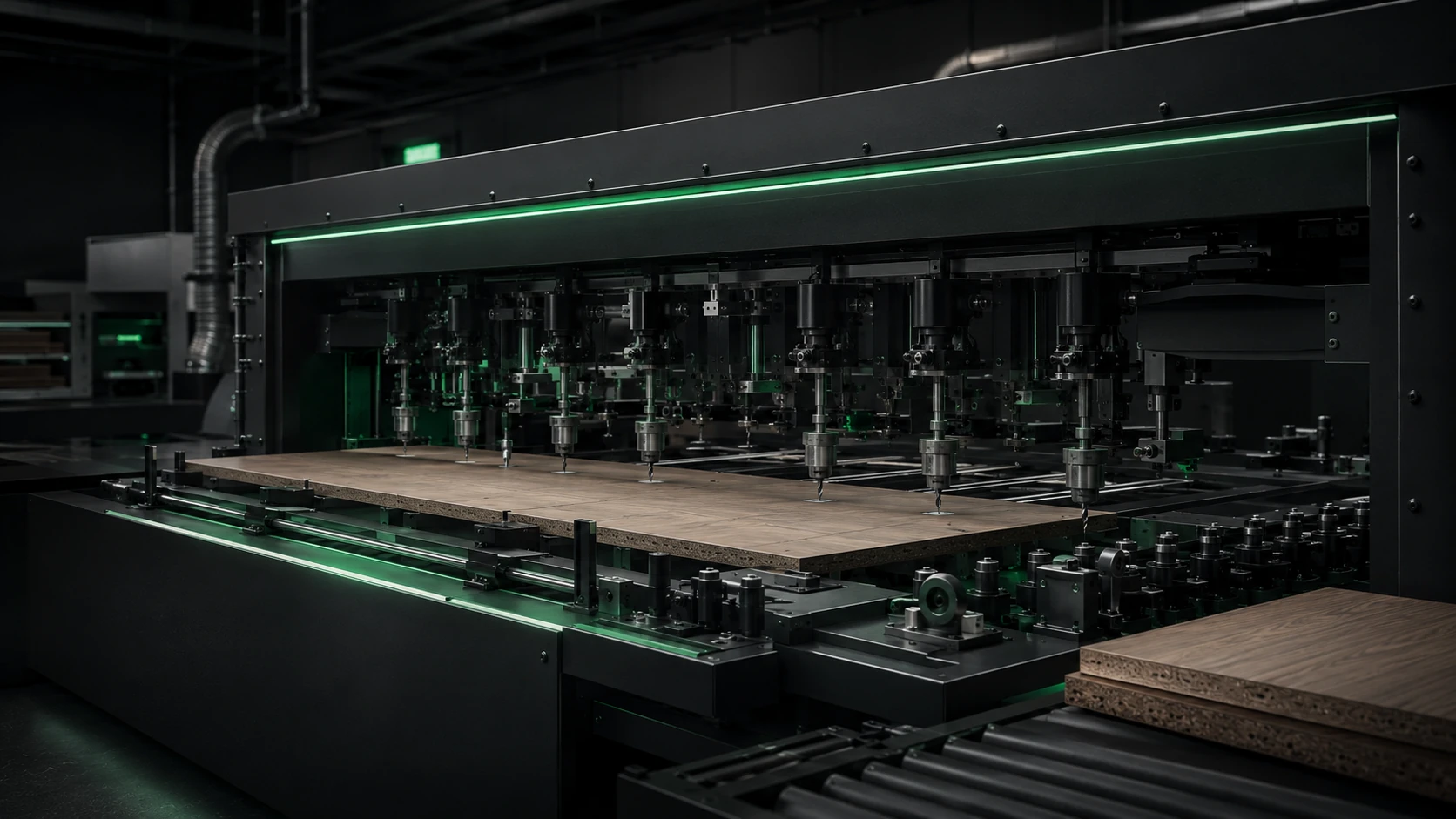
A focused boring or vertical CNC can outperform a larger router when the shop mainly needs accurate holes, grooves, hardware patterns, cabinet sides, and repetitive secondary machining.
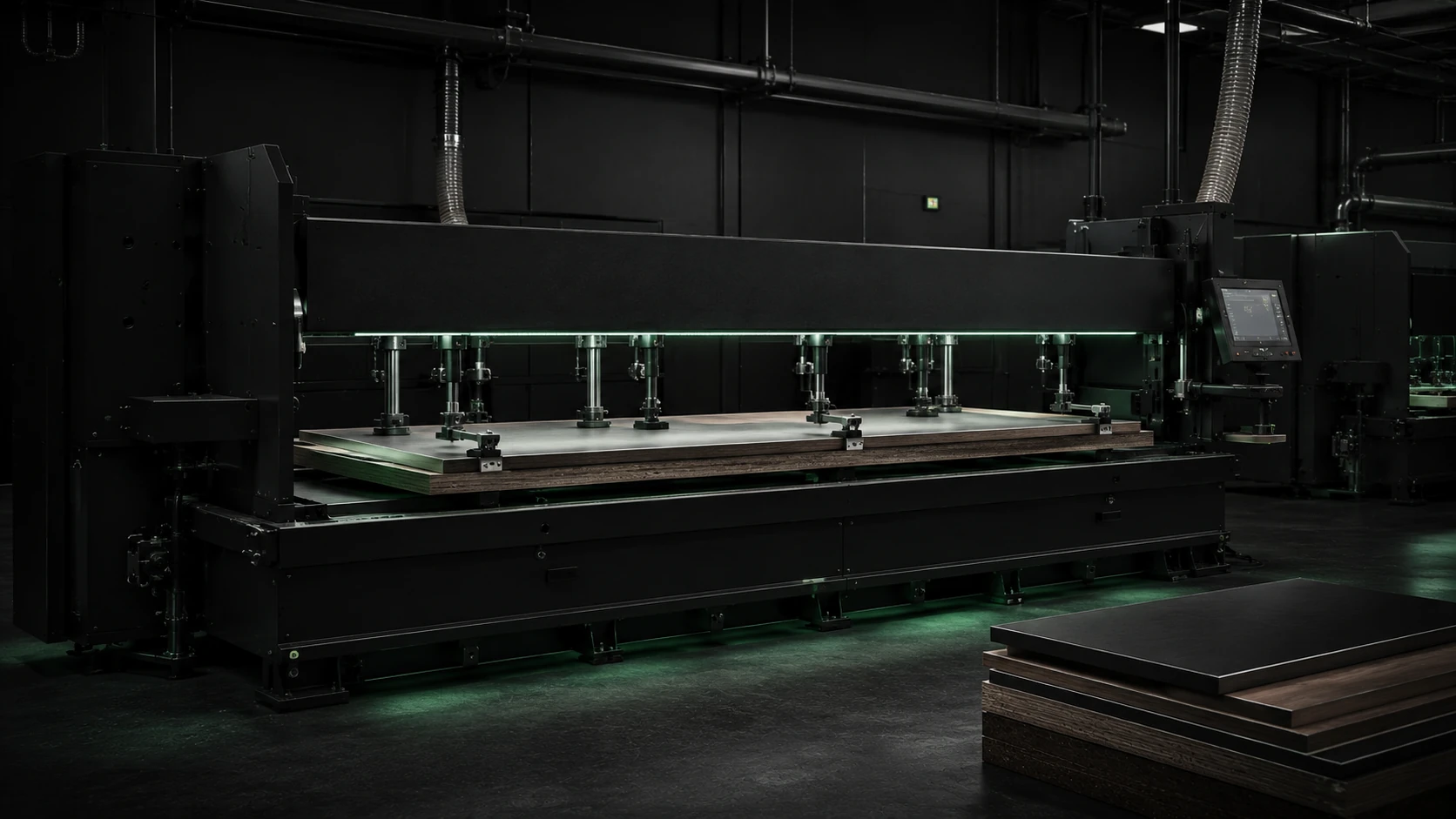
Cutting systems are compared by material mix, book height, optimization, scoring quality, finished-part control, custom flexibility, labour, offcuts, and the required relationship with CNC and edgebanding.
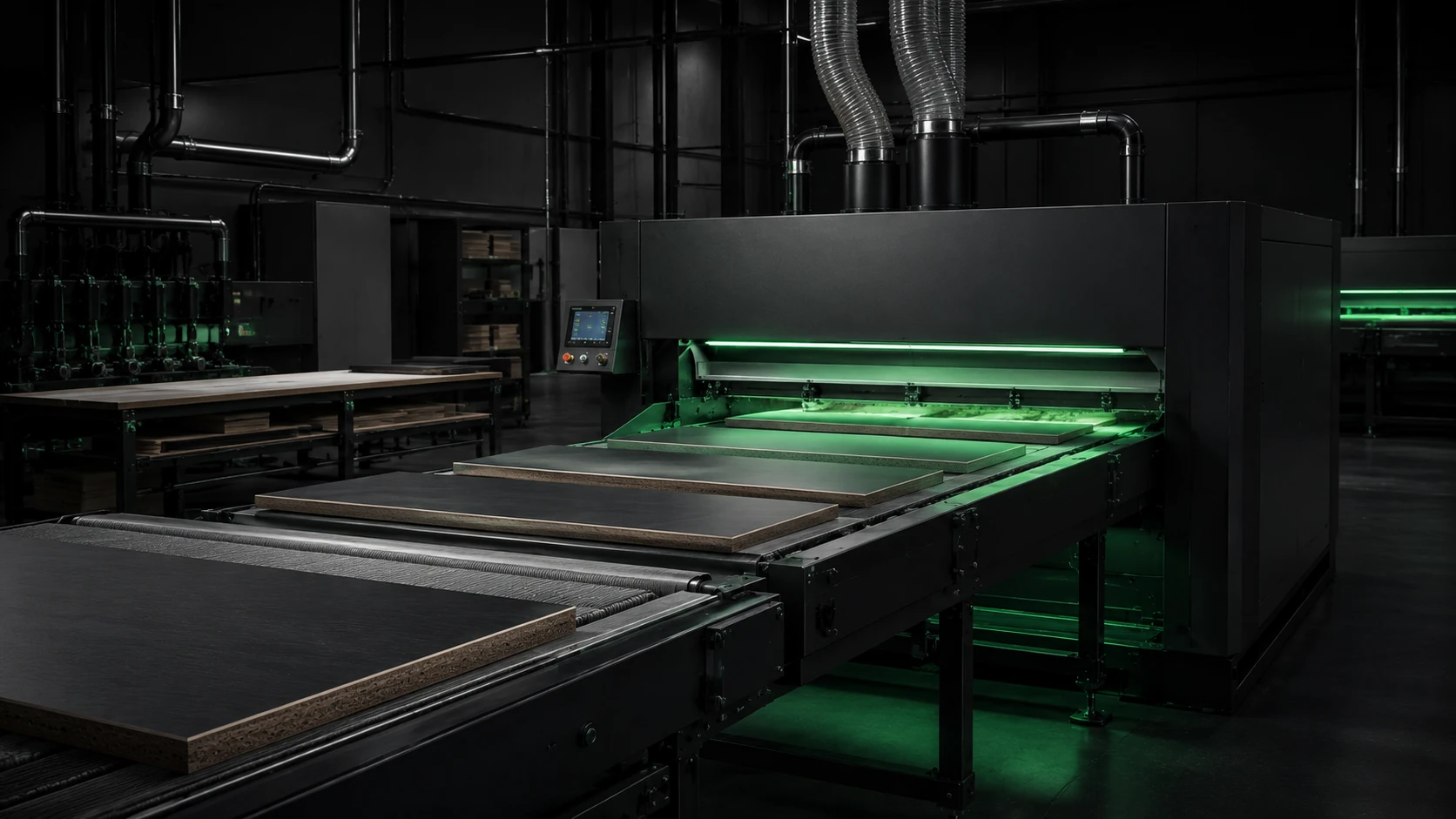
Edgebanders are compared by edge material, glue strategy, panel size, finish standard, station package, changeover, return flow, operator load, service access, and the upstream rate feeding the machine.
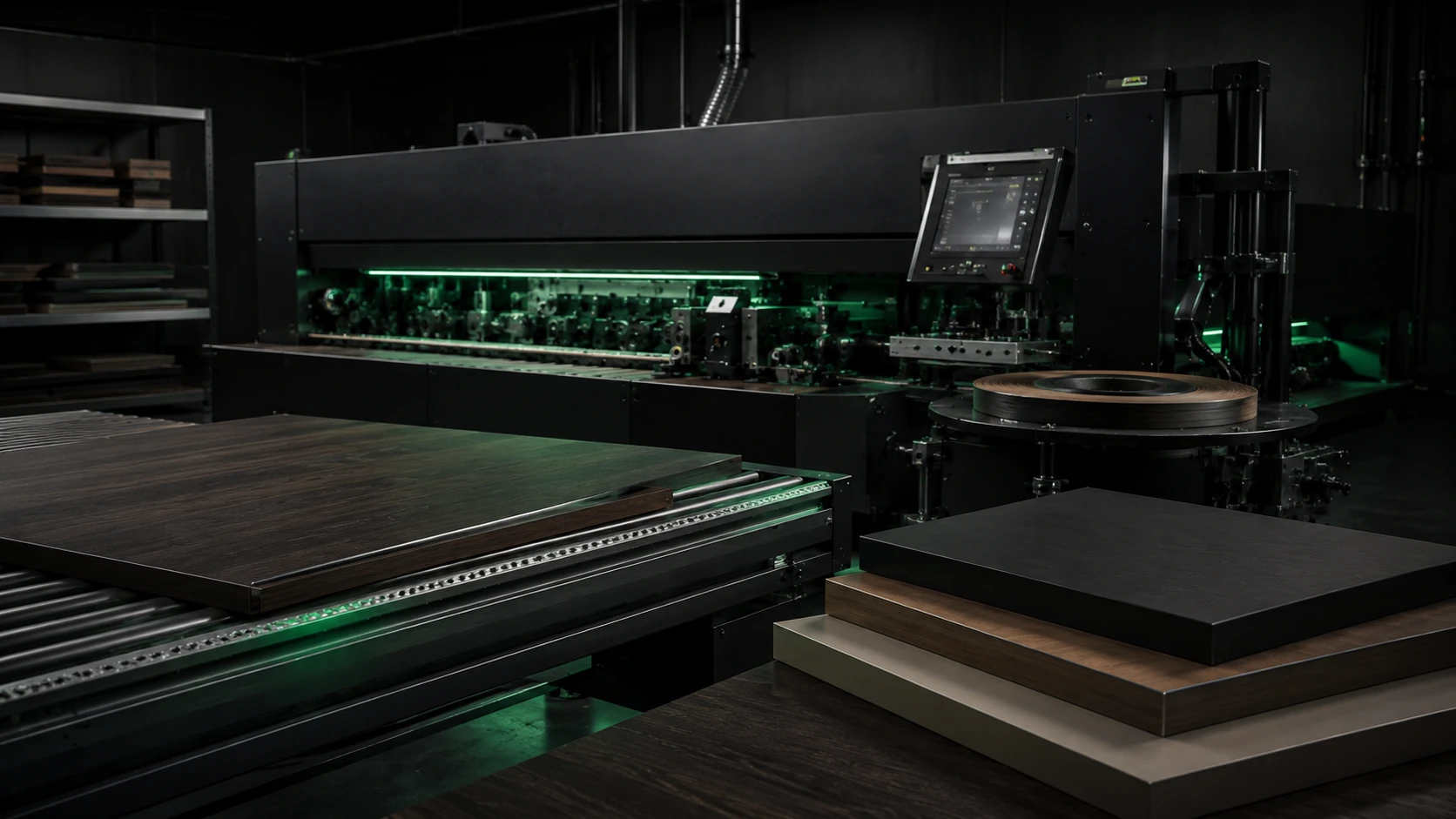
The correct sanding machine depends on whether the work is flat, profiled, painted, veneered, calibrated, rounded, edge-focused, solid wood, or prepared for finishing.
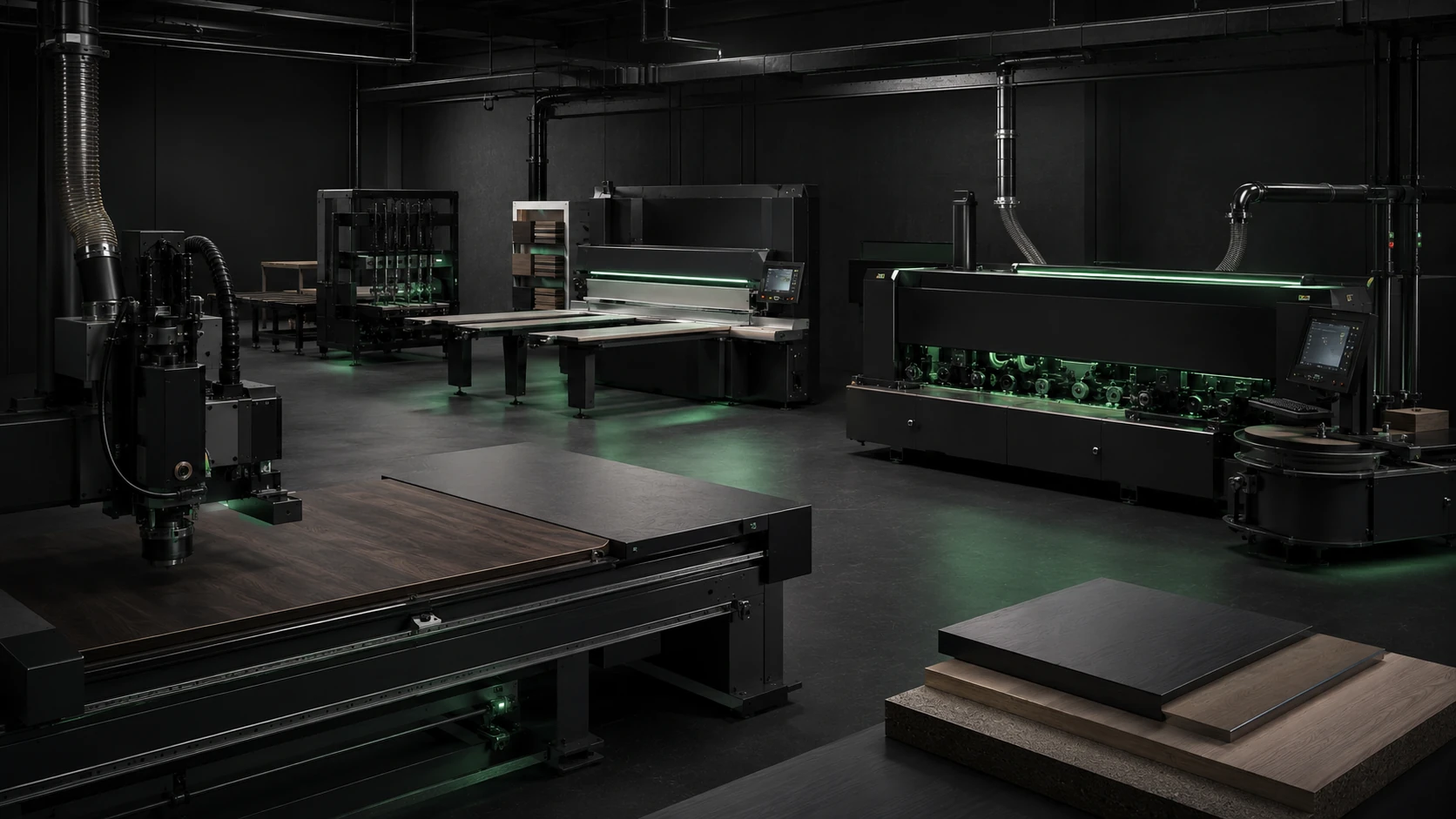
Press and clamping systems are matched to the product, adhesive, pressure, heat, daylight, loading method, cure time, changeover, assembly sequence, and daily output.
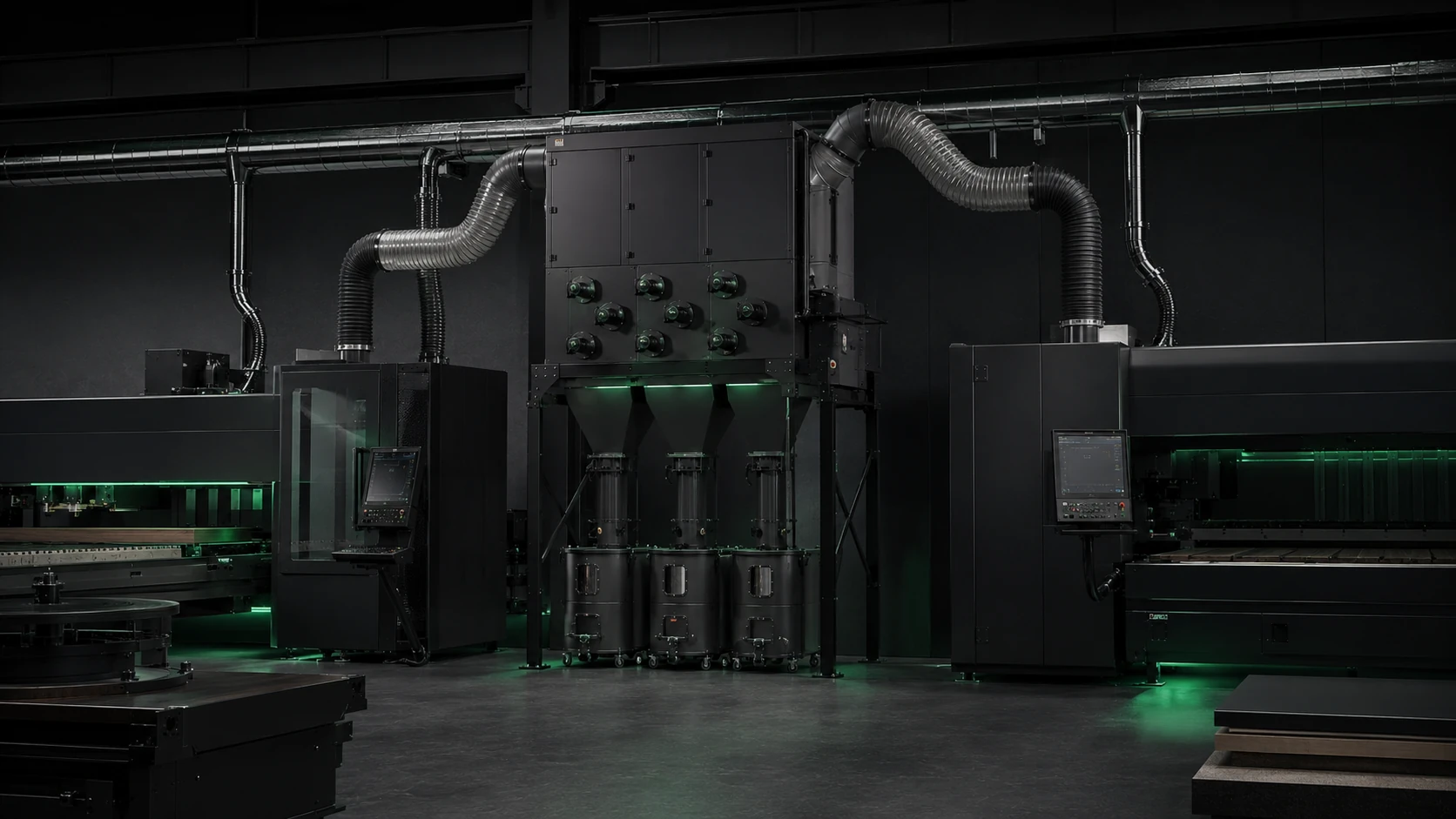
Solid-wood equipment is compared as a connected route from rough stock through crosscutting, jointing, planing, shaping, moulding, sanding, defect removal, optimization, and finished component flow.
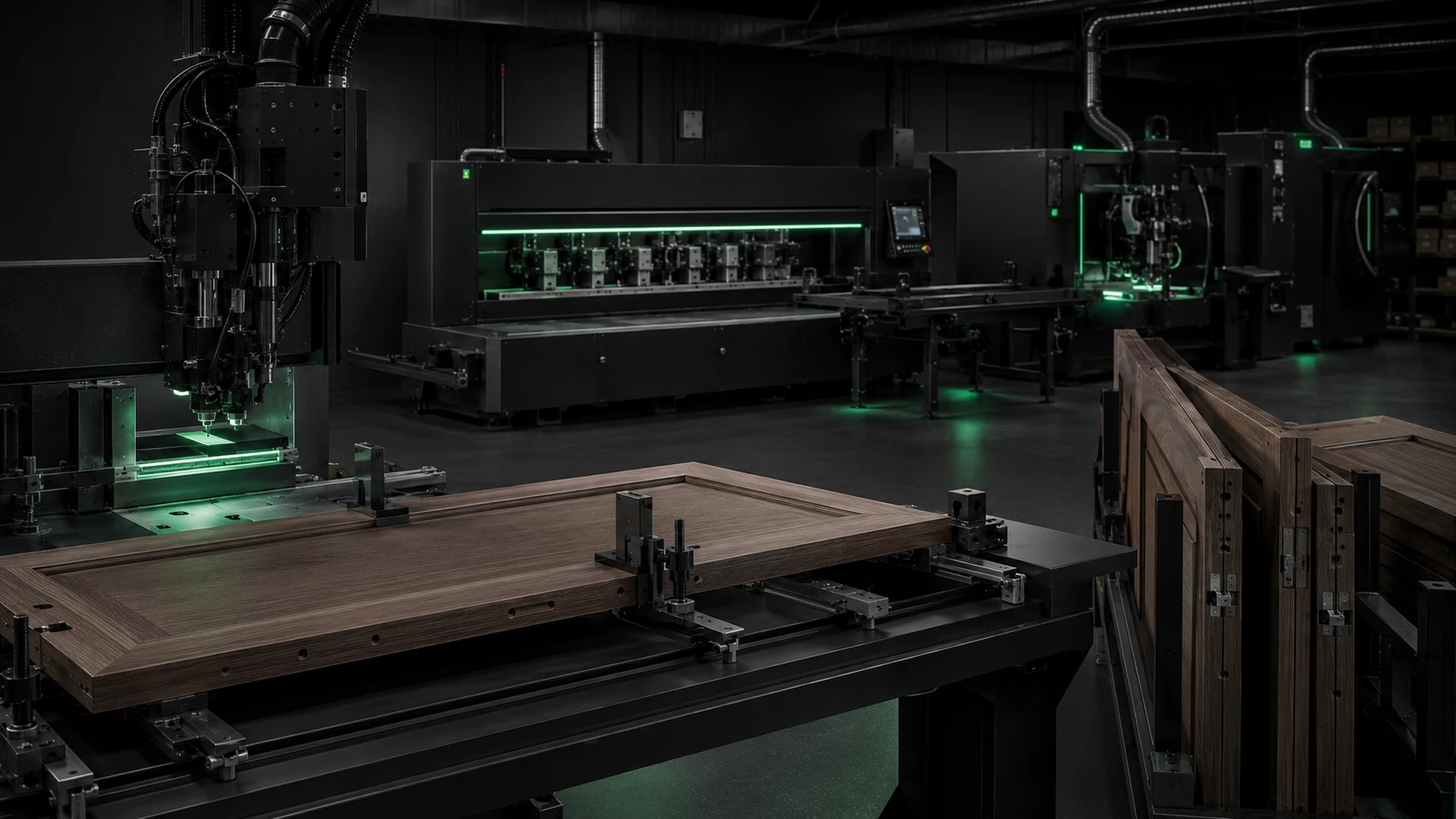
Door and window production is compared by component family, profile system, hardware, drilling, shaping, sanding, pressing, assembly, part identity, and the balance between flexible and dedicated equipment.
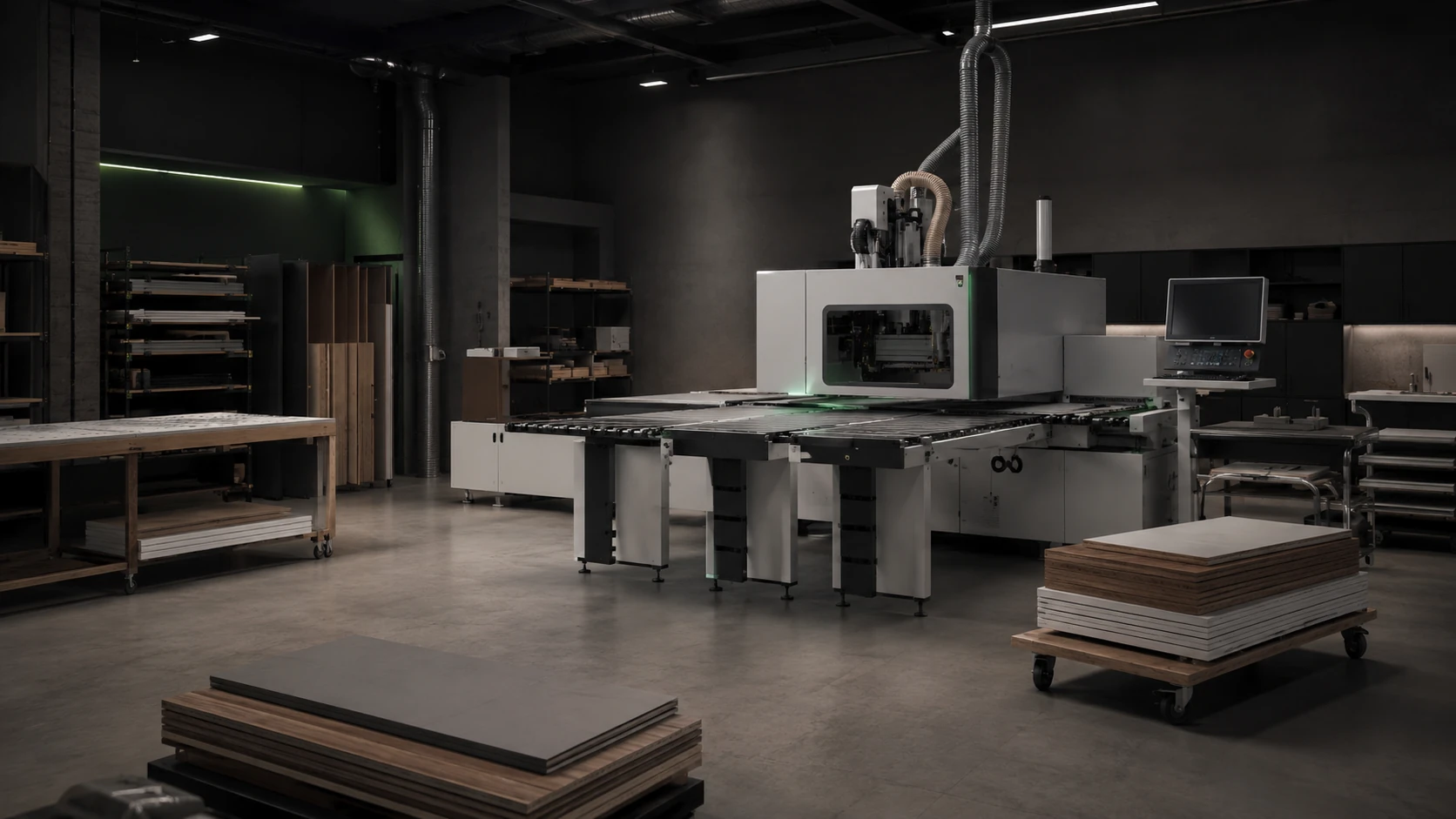
Support equipment is compared by the production loss it removes: poor extraction, excessive travel, unsafe lifting, damaged parts, uncontrolled work-in-process, inefficient loading, packaging delays, or waste handling.
Titan can compare the focused option, the balanced production option, and the growth option against the same product matrix and production target. The customer sees what capability is gained, what complexity is added, what support is required, and whether the extra investment has a real job to do.
Two customers can consider the same machine and require different recommendations because their products, material flow, finish standards, labour, software, layout, and growth plans are different.
Nesting or beam-saw route, boring, edgebanding, labels, whole-piece flow, assembly, dust, handling, tooling, and output by complete cabinet.
Flexible CNC, panel and solid-wood cutting, veneer, pressing, sanding, custom components, tooling, data control, and project-by-project flow.
Component machining, solid-wood preparation, moulding, profile sanding, pressing, assembly, repeatability, and mixed-model production.
CNC or dedicated machining, MDF routing, hardware, dowels, pressing, profile sanding, brush finishing, identity, and doors per shift.
Component profiling, hardware machining, workholding, tooling systems, alternating work zones, assembly, finish, and skilled programming.
Storage, beam saw or nesting, offcuts, labels, edgebanding, sanding, return systems, dust, sorting, and sheet-to-finished-panel flow.
Crosscut optimization, ripping, jointing, planing, moulding, shaping, sanding, yield, tooling, extraction, and lineal output.
Right-sized first machine, infrastructure, software, tooling, training, maintenance, handling, financing, and an expansion path that avoids stranded capacity.
State the product, customer requirement, delivery need, quality standard, capacity target, labour concern, or growth objective.
Map how material, data, tooling, people, parts, and completed units move from release to shipment.
Use complete cabinets, doors, windows, rooms, orders, panels, components, or lineal output—not vague machine activity.
Record accepted output, lead time, work-in-process, labour, setup, downtime, yield, remakes, travel, and delivery.
Identify the machine, skill, software handoff, material route, quality issue, maintenance loss, handling step, or schedule rule limiting output.
Document sizes, weights, materials, profiles, edge types, operations, finishes, tolerances, and order mix.
Mark each feature as required now, justified growth, useful option, or unnecessary complexity.
Narrow the project to CNC, boring, cutting, edgebanding, sanding, pressing, solid wood, joinery, extraction, handling, or a combined cell.
Compare only machines Titan represents, using the same project data, acceptance target, and installed-system boundary.
Model good output after product mix, setup, handling, staffing, maintenance, quality, and downstream absorption.
Confirm whether a compact or focused machine can meet the requirement without unacceptable labour, risk, or growth restriction.
Require a measurable use for added size, stations, automation, tooling, speed, width, or integration.
Define job identity, revision, programs, labels, tooling data, optimization, reports, backups, and exception control.
Specify holders, cutters, blades, drills, abrasives, glue, filters, gauges, setup tools, initial spares, and replenishment.
Verify footprint, access, floor, electrical, air, vacuum, dust, network, heat, lighting, fire, rigging, and service zones.
Plan storage, carts, conveyors, return flow, lifting, robots, offcuts, part protection, staging, and work-in-process limits.
Assign operator, programmer, maintenance, material handling, supervision, backup coverage, and role-based training.
Define operator care, preventive work, service access, critical spares, remote support, escalation, and planned downtime.
Include machine, options, tooling, software, freight, rigging, trades, dust, handling, training, ramp-up, maintenance, and contingency.
Test slower ramp, lower demand, higher mix, labour gaps, reduced yield, delayed installation, and additional support cost.
Use real material, representative products, approved programs, target quality, required output, and documented recovery checks.
Coordinate site readiness, delivery, commissioning, old-process contingency, training, first-good production, and staged release.
State the selected machine, rejected alternatives, supporting systems, assumptions, risks, and reasons the recommendation fits.
Track accepted output, quality, labour, uptime, lead time, work-in-process, tooling, handling, maintenance, and customer delivery.
These signals usually mean the conversation has drifted away from the customer’s actual production requirement and toward an unsupported equipment decision.
The quote starts with a model before the product and process are understood.
The recommendation depends mainly on maximum speed, horsepower, axis count, width, or station count.
No one can state the current bottleneck in a customer-facing production unit.
The larger machine is justified only by the phrase “future-proof.”
Tooling, software, dust collection, handling, training, maintenance, and ramp-up are outside the comparison.
The proposed output exceeds what upstream or downstream processes can absorb.
A compact machine is rejected without testing whether it meets dependable demand.
The acceptance test uses demonstration parts instead of the customer’s real materials and products.
The shop has no operator, programmer, maintenance owner, or training time assigned.
The site is not ready for power, air, vacuum, dust, access, rigging, or service clearances.
The proposal does not show what becomes the next constraint after installation.
The decision is driven by purchase price alone instead of complete ownership and production impact.
Bring the products, materials, current process, machine list, layout, production volume, bottleneck, quality target, labour plan, software, tooling, dust collection, handling, maintenance requirements, and growth objective. Titan can compare the equipment families we represent and build a recommendation around the customer’s real work.