
01
Baseline
Document the original production condition, customer demand, capacity, labour, quality, WIP, lead time, material, software, and recurring failure pattern.
Explore practical examples from cabinet, furniture, door, panel, architectural millwork, and woodworking production. Each case focuses on the operating problem, the changes made, the production result, and the lesson that can be carried into another shop.
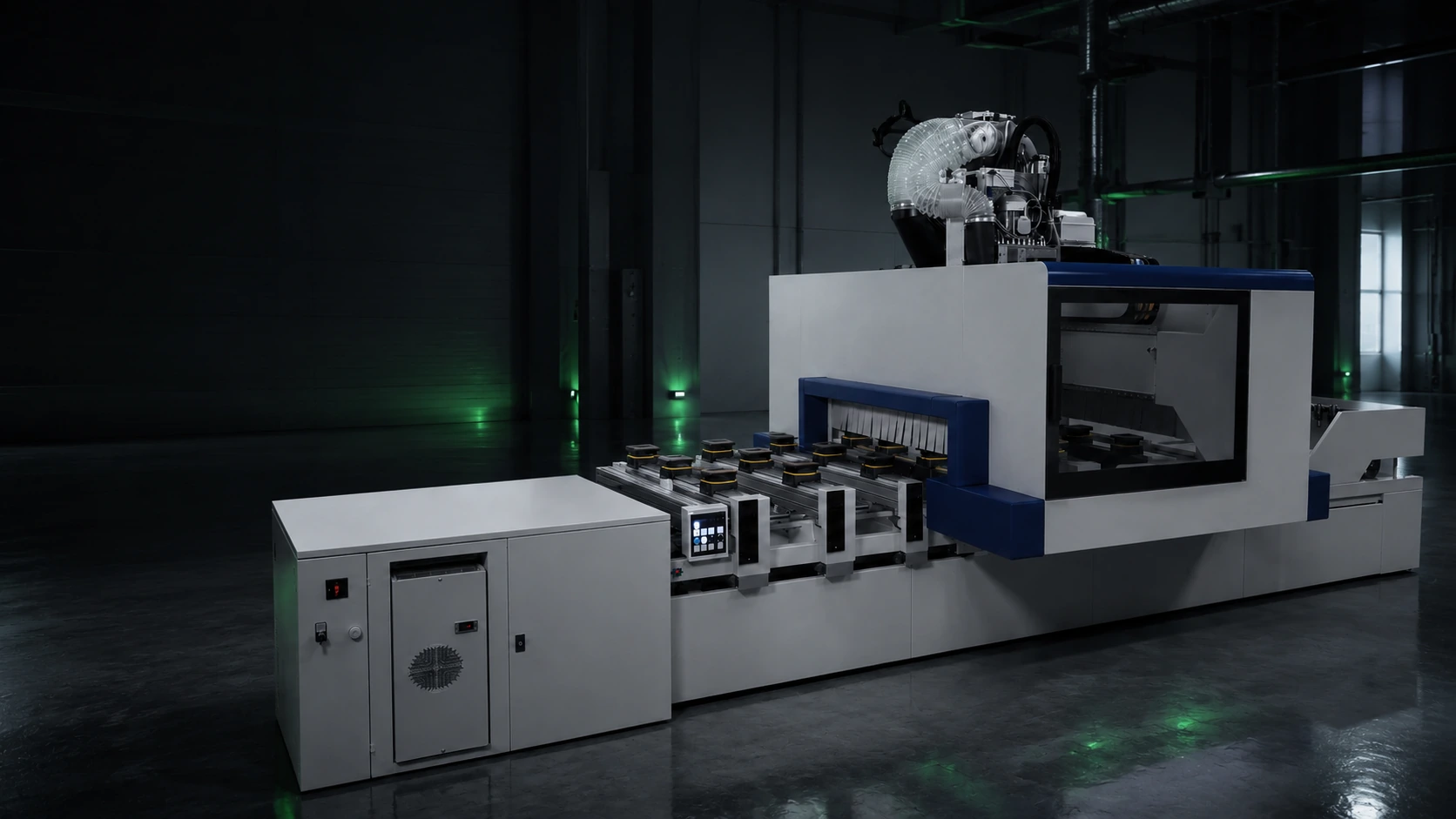
A strong case explains the starting condition, the production constraint, the change that was made, the way it was implemented, the result that followed, and the work required to hold the gain.
Document the original production condition, customer demand, capacity, labour, quality, WIP, lead time, material, software, and recurring failure pattern.
Identify the machine, information gate, skill, supplier, material route, handling step, quality problem, or schedule rule limiting complete output.
Define the machine, software, tooling, lean method, extraction, maintenance, training, handling, layout, or process intervention selected.
Show site preparation, data cleanup, acceptance testing, commissioning, operator training, standards, buffers, and ramp-up.
Report verified changes in output, quality, lead time, labour, downtime, tool cost, material yield, WIP, safety, or delivery.
Explain daily management, maintenance, training, service, audits, standard work, ownership, and the next improvement cycle.
These cases cover recurring production challenges in furniture, cabinetry, doors, panel processing, architectural millwork, tooling, software, dust collection, edgebanding, and five-axis machining.
Production had spread across a larger building without a clear assembly route. Team members walked excessive distances, parts were not consistently available at the point of use, batch processing delayed completion, and new-hire assembly needed stronger standardization.
The production team observed the work, trained employees in 5S and lean fundamentals, reorganized the assembly area, clarified material needs, and replaced batch processing with a one-unit-at-a-time flow.
A single unit could be prepared for shipment in about 20 minutes instead of taking up to two days to move through the previous batch process. The shop also gained capacity, reduced handling, and made the assembly route easier to teach and manage.
For cabinetry and millwork, define the complete unit, place required parts and tools at the work cell, reduce batch queues, and measure complete accepted units rather than isolated activity.
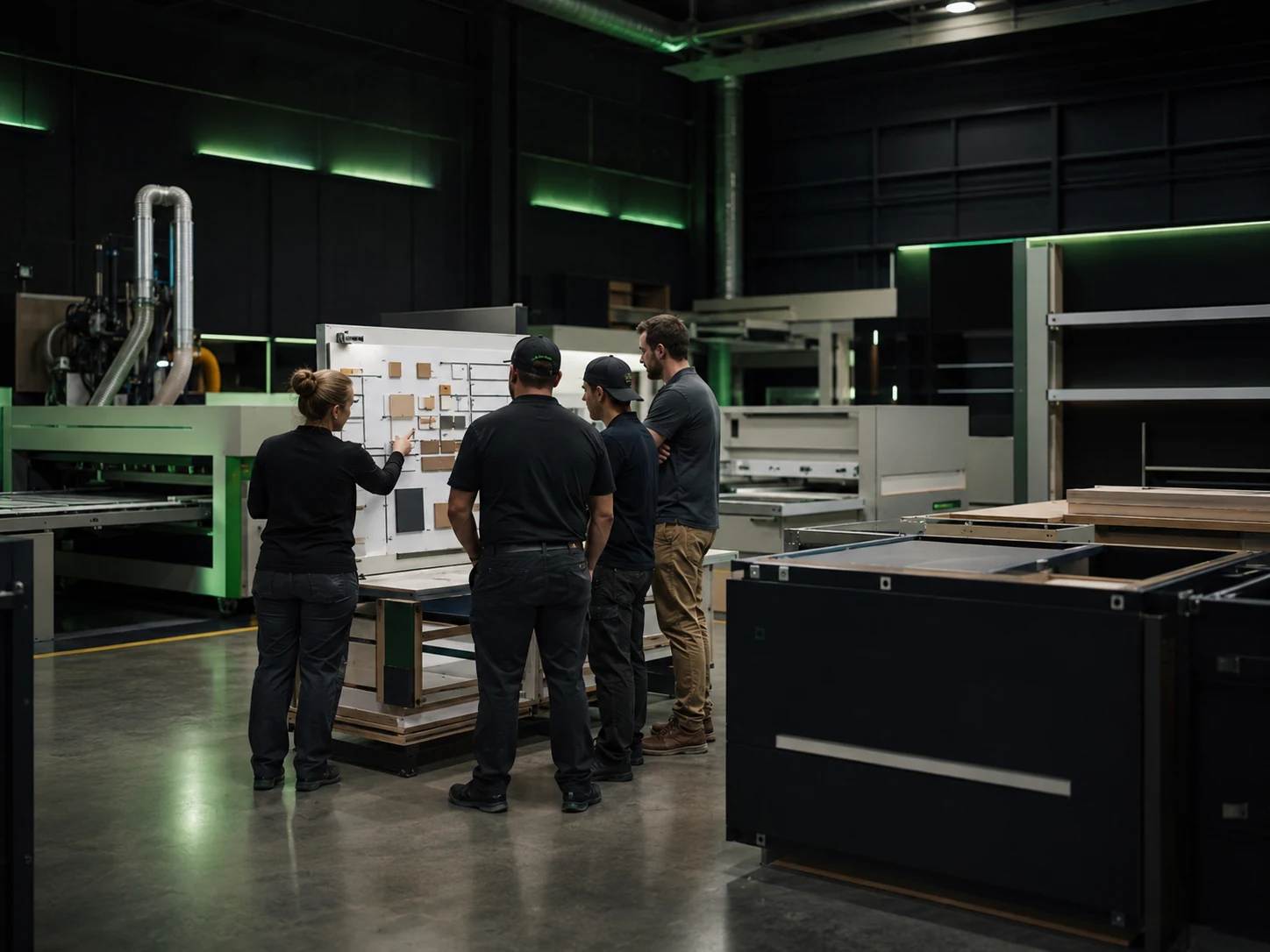
Earlier lean practices had weakened through staff turnover and new-hire growth. Production accumulated more work-in-process, waste, rework, and scrap, increasing operating cost and reducing available capacity.
The operation completed a plant assessment, built a production-improvement roadmap, and delivered role-based lean training so improvement knowledge would remain active inside the company.
The operation reported a 10% productivity increase within seven months using substantially the same equipment. Higher throughput, lower operating losses, and stronger internal improvement capability followed the training.
Training is part of the production system. Role-based instruction, visible standards, work-in-process control, repeat coaching, and leadership routines help prevent process drift.
A broad custom-furniture range required flexibility, consistent finishing, fast response, and control of changing panel sizes, edge requirements, machining operations, and reusable offcuts.
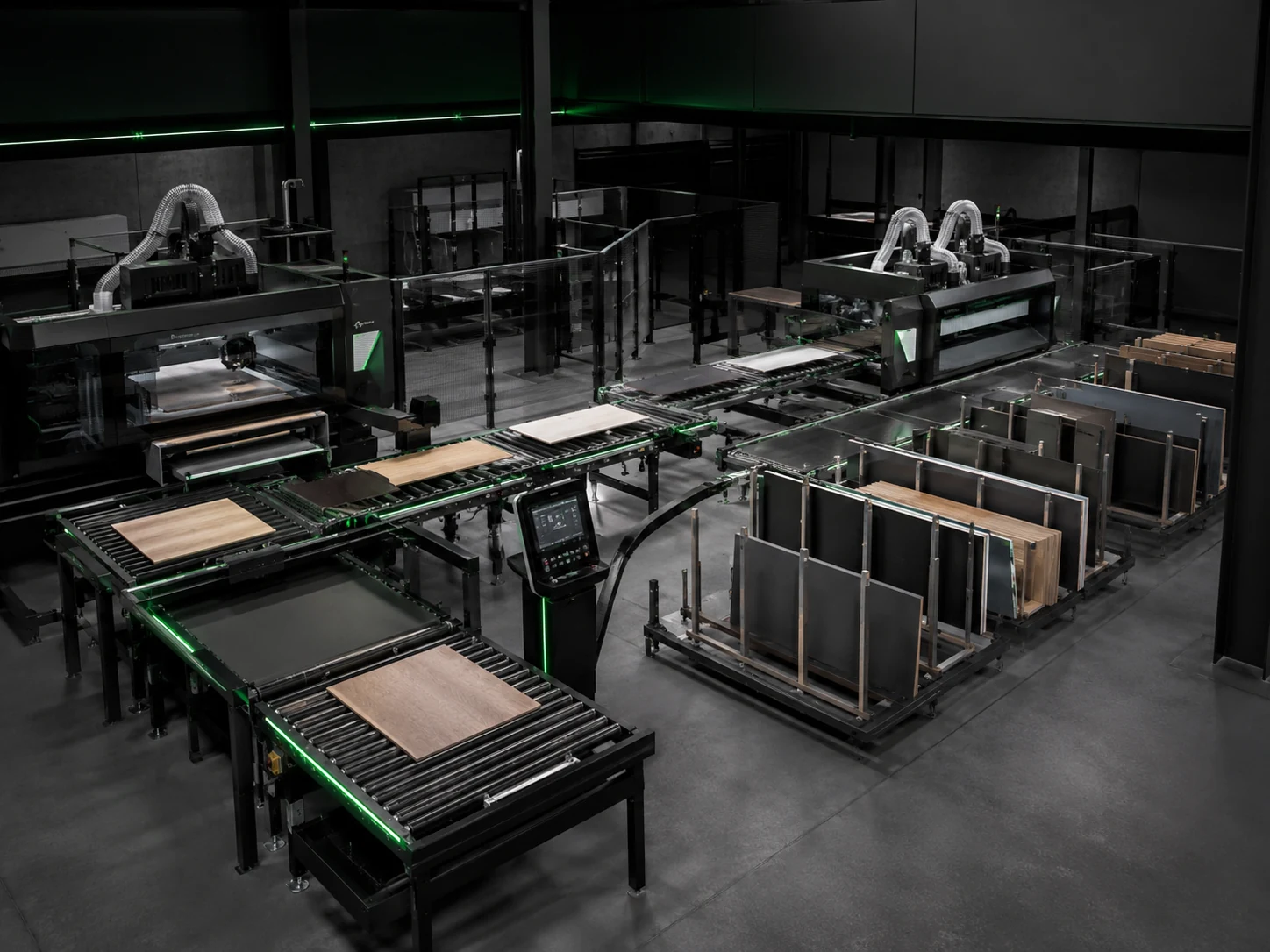
An integrated batch-one system combined automatic storage, multiple cutting resources, offcut management, flexible routing, production-supervisor software, and paired squaring and edgebanding equipment.
The system supported high-mix production with delivery times as short as eight working days, just-in-time panel sequencing, interchangeable cutting resources, and automated offcut return.
The answer is not simply faster saws and edgebanders. Storage, software, offcuts, machine redundancy, sequencing, panel identity, and downstream balance must operate as one cell.
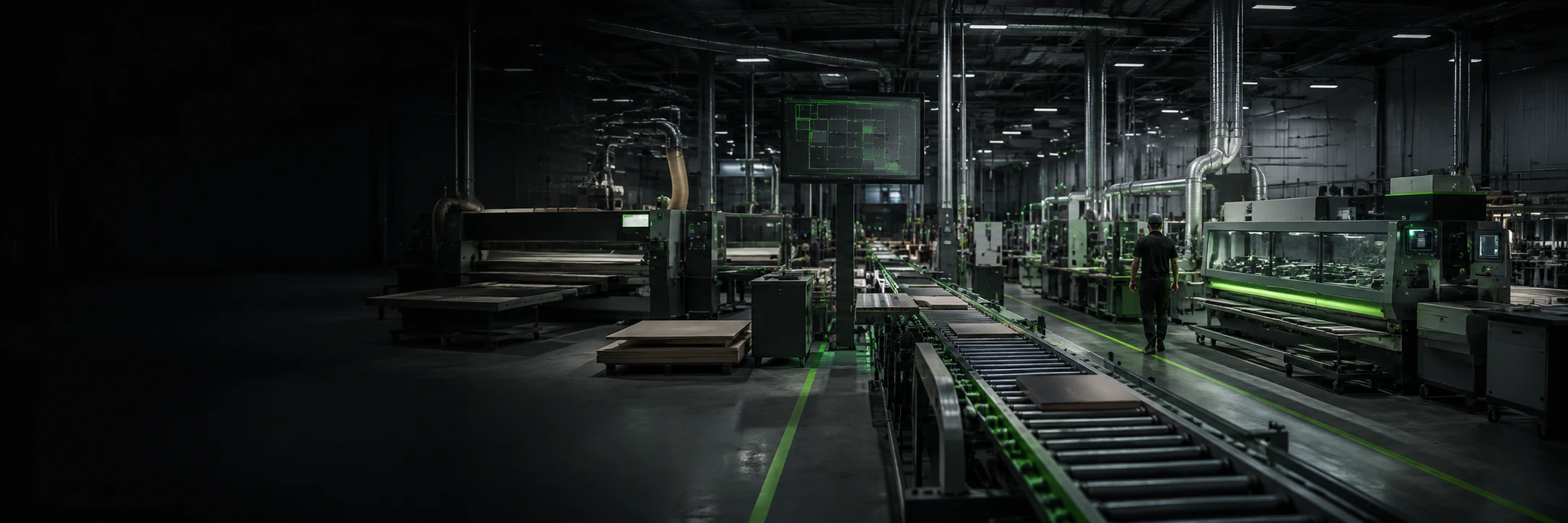
Large special doors required varied drilling and routing, high part weights, different dimensions, rapid setup, accurate identification, and controlled sorting.
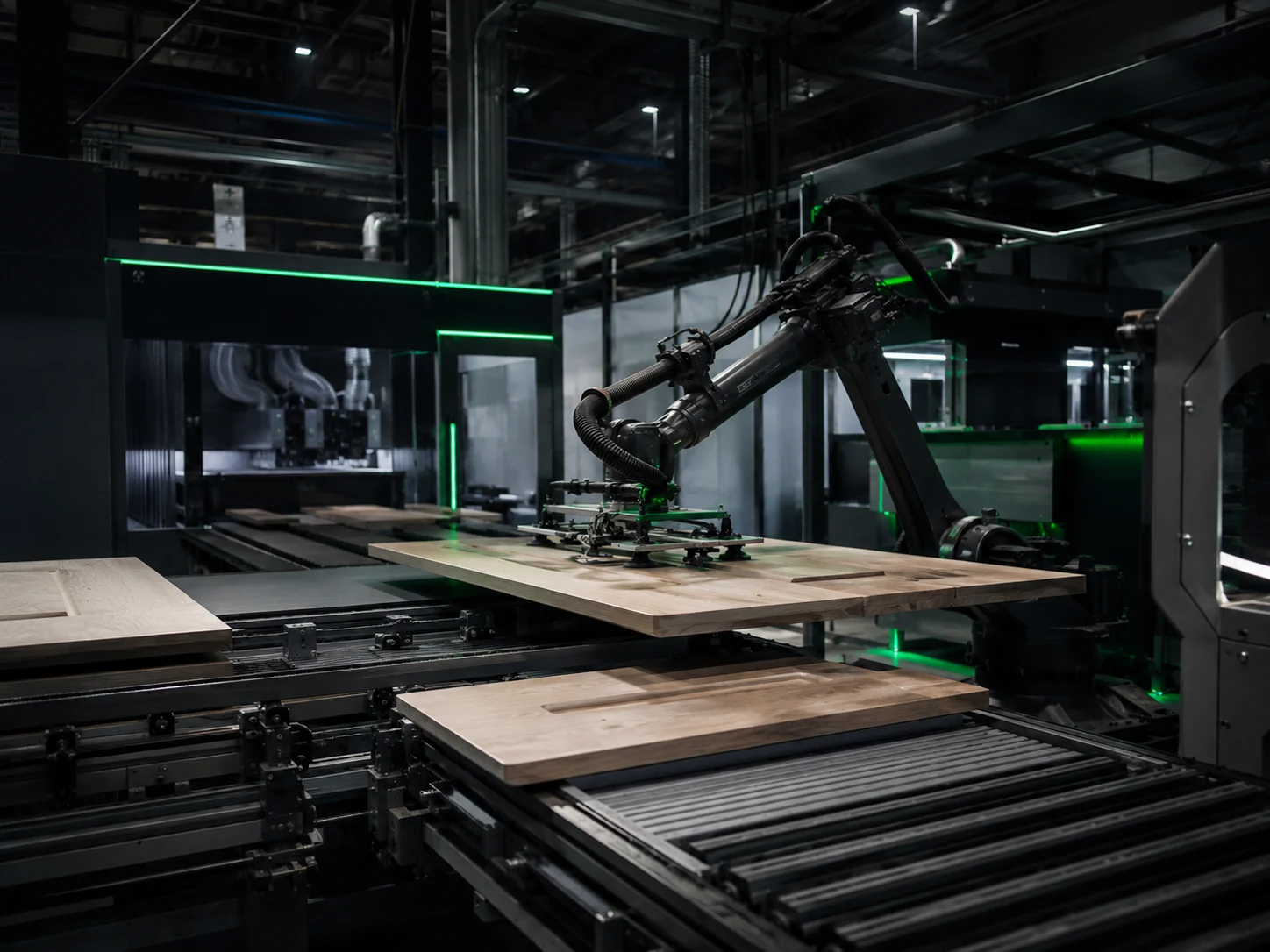
The cell used barcode identification, robotic loading and unloading, parallel machining resources, supervisor software, automatic program calls, production-system integration, and a flexible route for unusual operations.
The automated cell demonstrated output of approximately 250 doors per shift while retaining batch-one capability. Key machining cycles were completed in under one minute, with automated sorting and a controlled route for special manual work.
Door capacity should be measured in accepted doors per shift, not only spindle speed. Identity, handling, routing exceptions, sorting, and software handoff are core production functions.
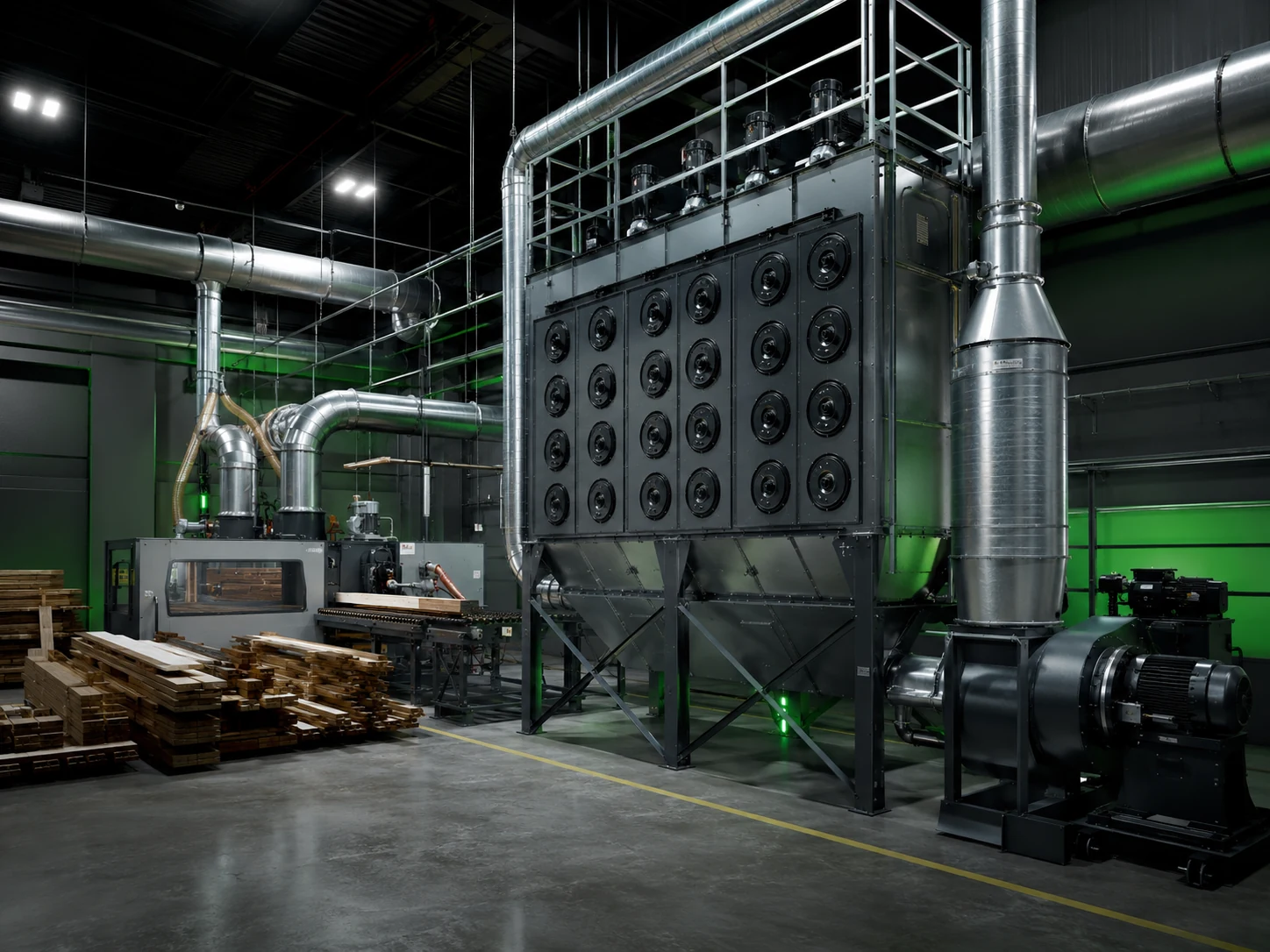
Dust entered panel-pressing equipment and required repeated production stoppages for cleaning, reducing operational efficiency and increasing workplace and combustible-dust concerns.
A customized filtration system continuously extracted dust below the press bands while the line operated, supported by system analysis, installation planning, and a complete source-capture approach.
The completed system reduced cleaning-related downtime by 73% while keeping equipment cleaner and supporting better operating efficiency, energy use, and workplace conditions.
Dust collection belongs in the capacity model. Capture performance, filters, ducting, discharge, energy, cleaning time, and maintenance access can materially change usable machine output.
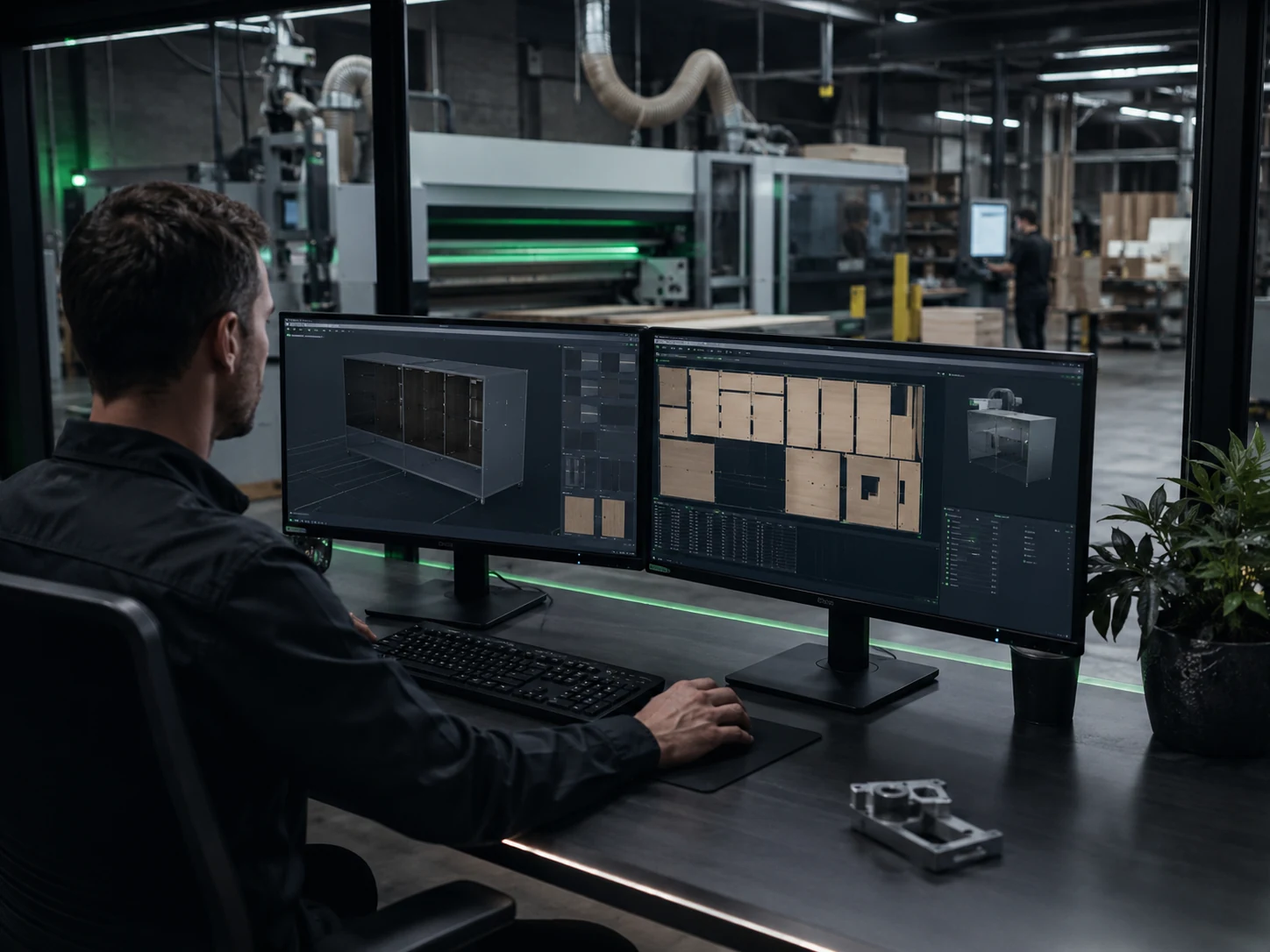
A wide range of custom kitchens and furniture created high planning complexity. Manual cut lists, material reports, hand cutting, and part tracking consumed time and introduced error risk.
A design-to-CNC software workflow was implemented for automatic cut and material reports, reusable cabinet libraries, intelligent design changes, nesting, offcut use, and better pre-production review with assembly staff.
The workflow produced CNC-ready output for about 90% of projects, improved confidence in quality and precision, reduced human error, and provided clearer estimates of required sheets and machine time.
Measure complete-and-correct release, programming time, sheet requirements, machine hours, revision errors, label accuracy, and downstream questions.
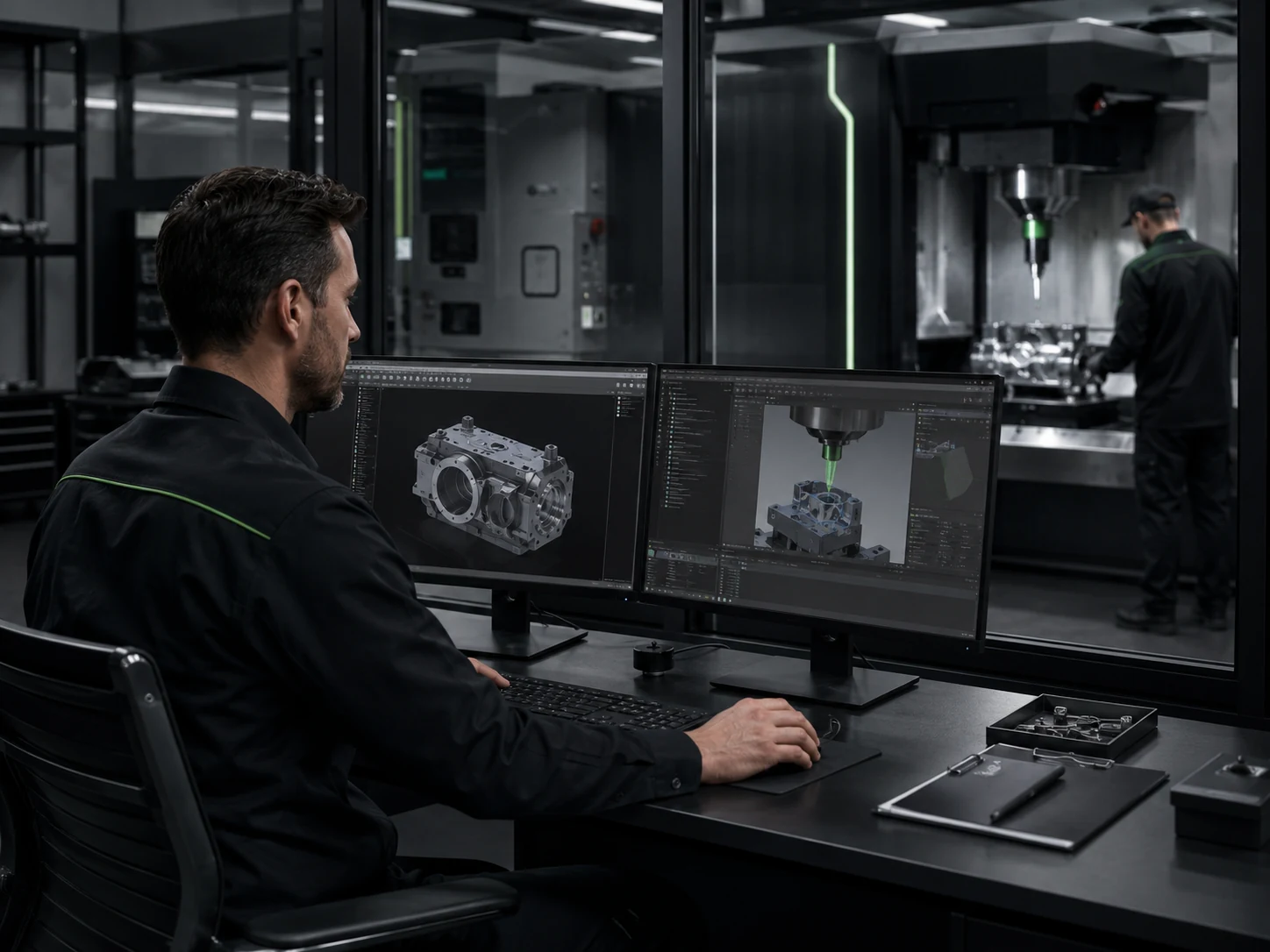
Projects were drawn in design software and then rebuilt through machine-level programming, creating a redundant production step, more programming time, and more opportunities for material-consuming errors.
The shop connected cabinet-design and CAM software with CNC equipment, a beam saw, automatic nesting, and automated sheet storage so approved design information could create production-ready toolpaths and simulated nests.
The operation reported at least a 30% reduction in design and programming time. Three-dimensional models and nest simulation helped identify mistakes before material was cut, improving efficiency and reducing waste.
A controlled digital handoff uses one approved job identity, one revision, machine-ready files, tool data, labels, material requirements, and visible release status.
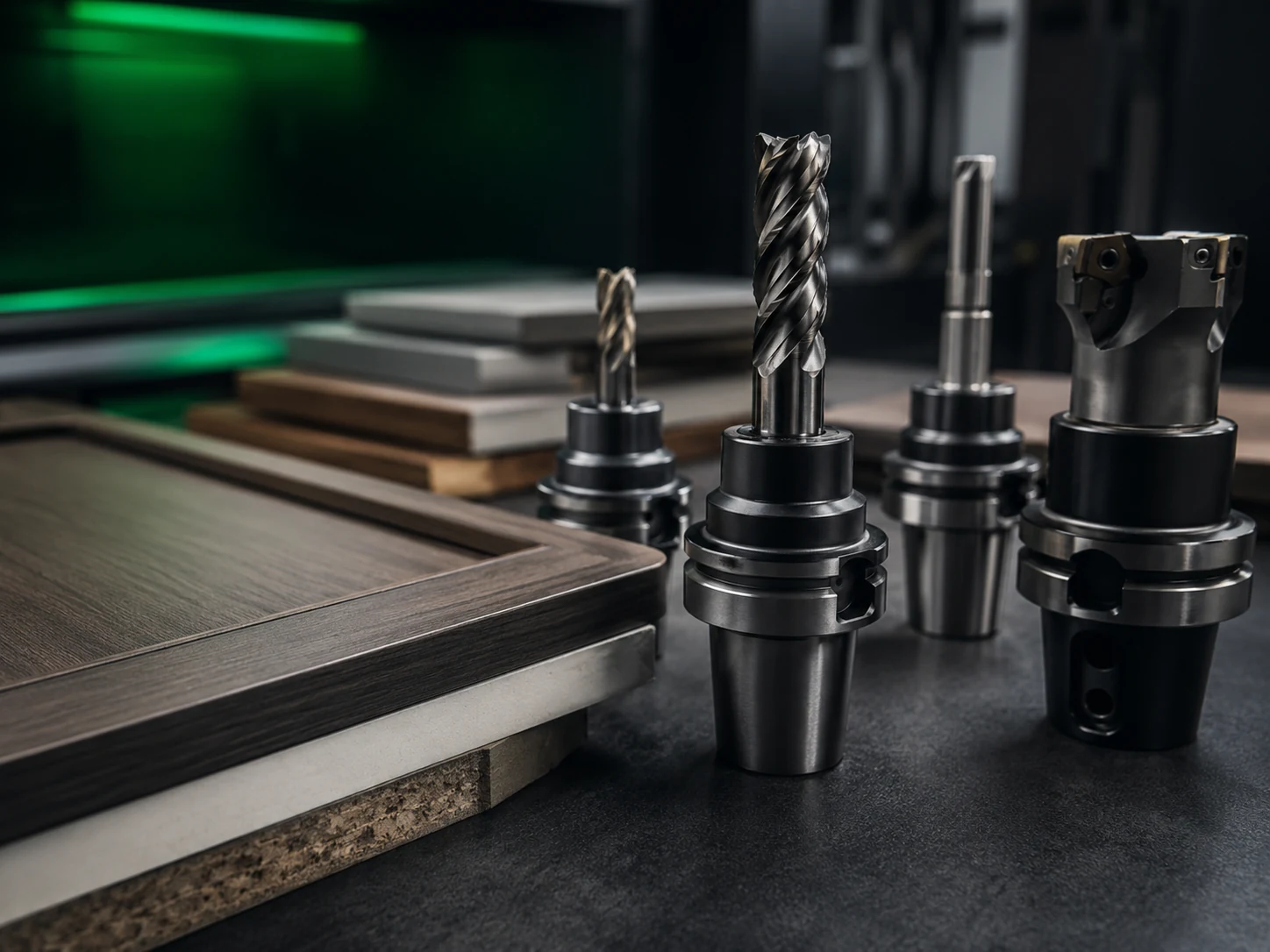
A bespoke furniture manufacturer experienced frequent tooling problems, delayed support, avoidable downtime, material waste, and high annual tooling cost.
The shop standardized its tooling program around application support, quick-release systems, planned service intervals, tool management, and earlier technical involvement in new production requirements.
The tooling program reduced annual tooling cost by 40%, extended tool life, reduced waste, removed recurring tooling emergencies, and consolidated a three-operation process into one pass.
Measure tooling cost per accepted unit and include tool life, service, setup, runout, cut quality, scrap, downtime, inventory, and operator confidence.
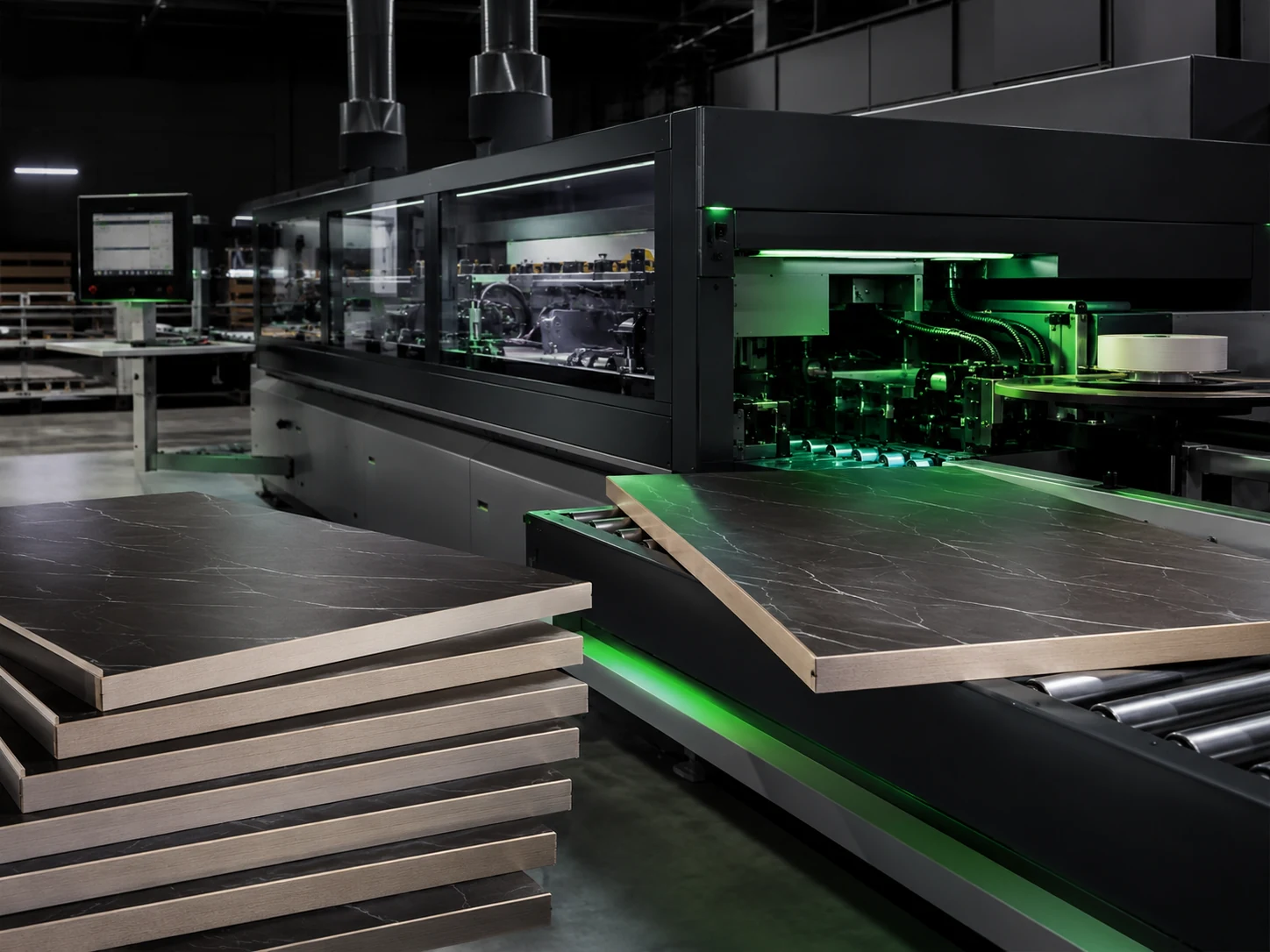
A furniture producer needed more output, faster changeover, flexible edge configurations, reliable finish quality, and a transition plan that would not destabilize production.
Two edgebanders with panel-return systems were specified around the production requirement, future glue options, remote diagnostics, staggered installation, and one week of training for each machine.
The operation reached record production output without increasing overtime. Operators adapted quickly, and both machines reached full production by the end of the fourth week.
Include commissioning sequence, old-machine contingency, operator release time, training by shift, first-good production, ramp milestones, and service access in the implementation plan.
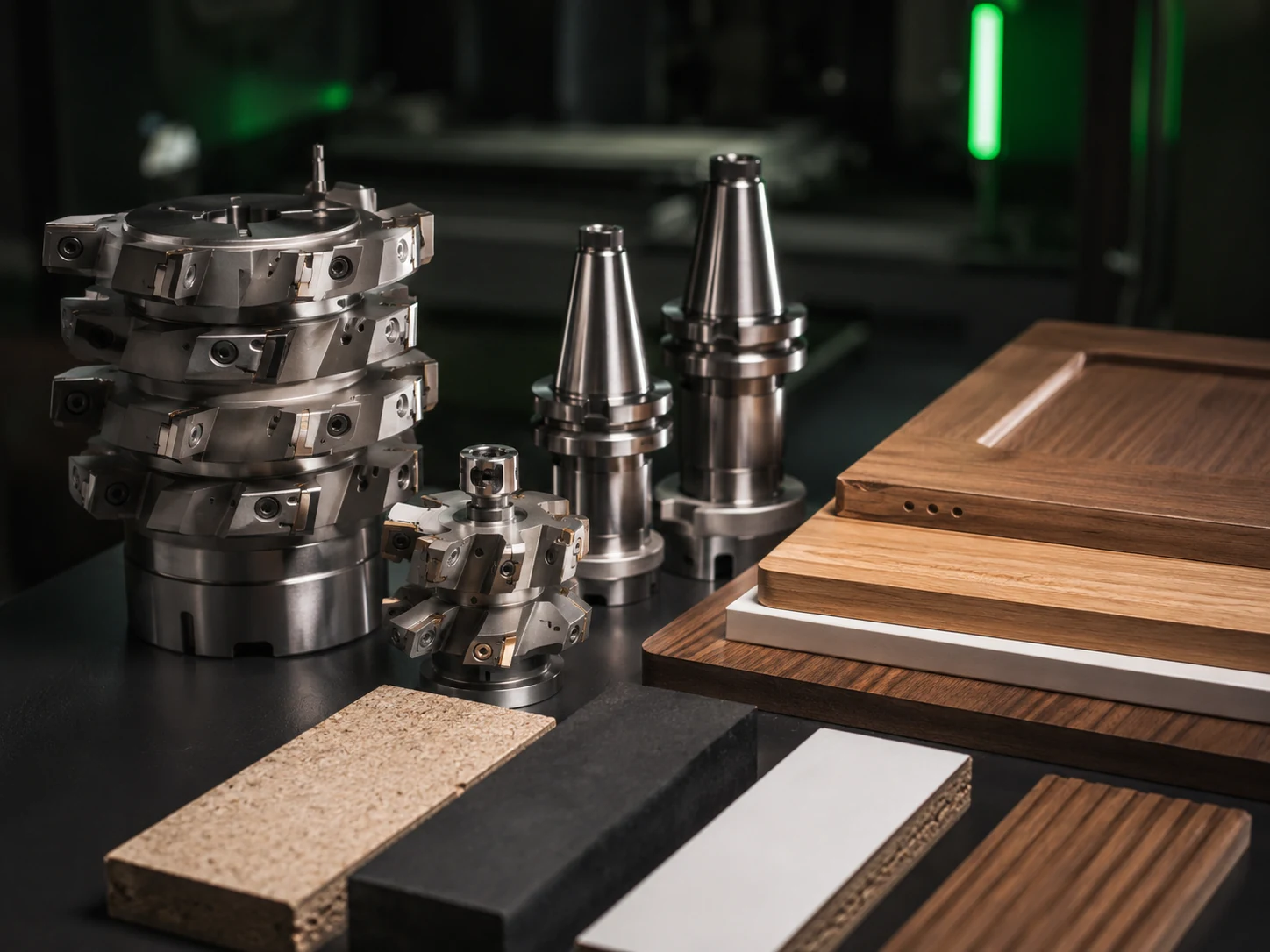
A major concert-hall interior required thousands of unique, dense, non-flammable panels with three-dimensional acoustic surfaces and highly complex digital geometry.
The manufacturer used three five-axis CNC machining centres, extensive CAD-to-machine preparation, two-sided machining macros, specialized workholding, diamond tooling, and disciplined tool service.
The project involved more than 10,000 parts covering approximately 6,000 square metres, nearly one million irregular cavities, more than 30,000 CNC programs, extensive routing, and thousands of tool-service cycles.
For architectural millwork, five-axis CNC provides controlled complexity through digital preparation, fixtures, tool management, repeatability, part identity, inspection, and confidence in difficult work.
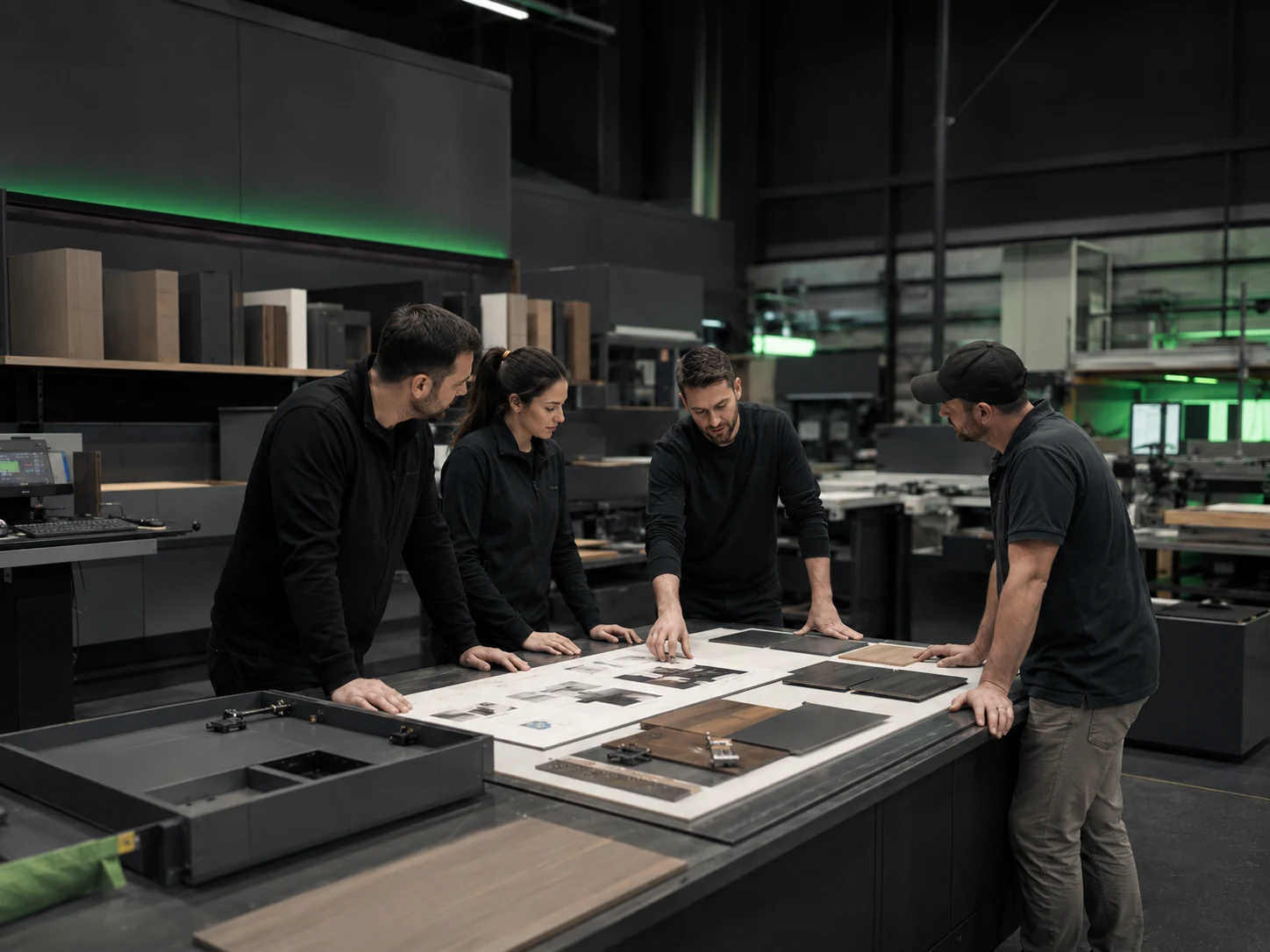
A joinery operation wanted to expand window production, machine hardware and profiles efficiently, improve finish and labour use, and prepare one component while another was being processed.
A five-axis CNC with an automatically positioned worktable supported alternating work zones, hardware preparation, drilling, profiling, and more complete machining in one controlled process.
The first window units were produced about one month after installation, with clear labour and assembly benefits. The ramp also showed the importance of deeper software training before full production dependence.
Equipment capability is incomplete without programming skill. Plan software training, production templates, backup users, post-processing ownership, and time to prove real products.
These application outlines show how Titan can organize common shop challenges into a practical improvement project with a defined scope, clear deliverables, and production measures that can be tracked.

A cabinet shop has feed speeds, axis speeds, cycle reports, and labour hours but cannot state dependable cabinets per day. Titan can define units by process, observes cycle and touch time, models product mix, identifies the constraint, and compares required versus available good hours.
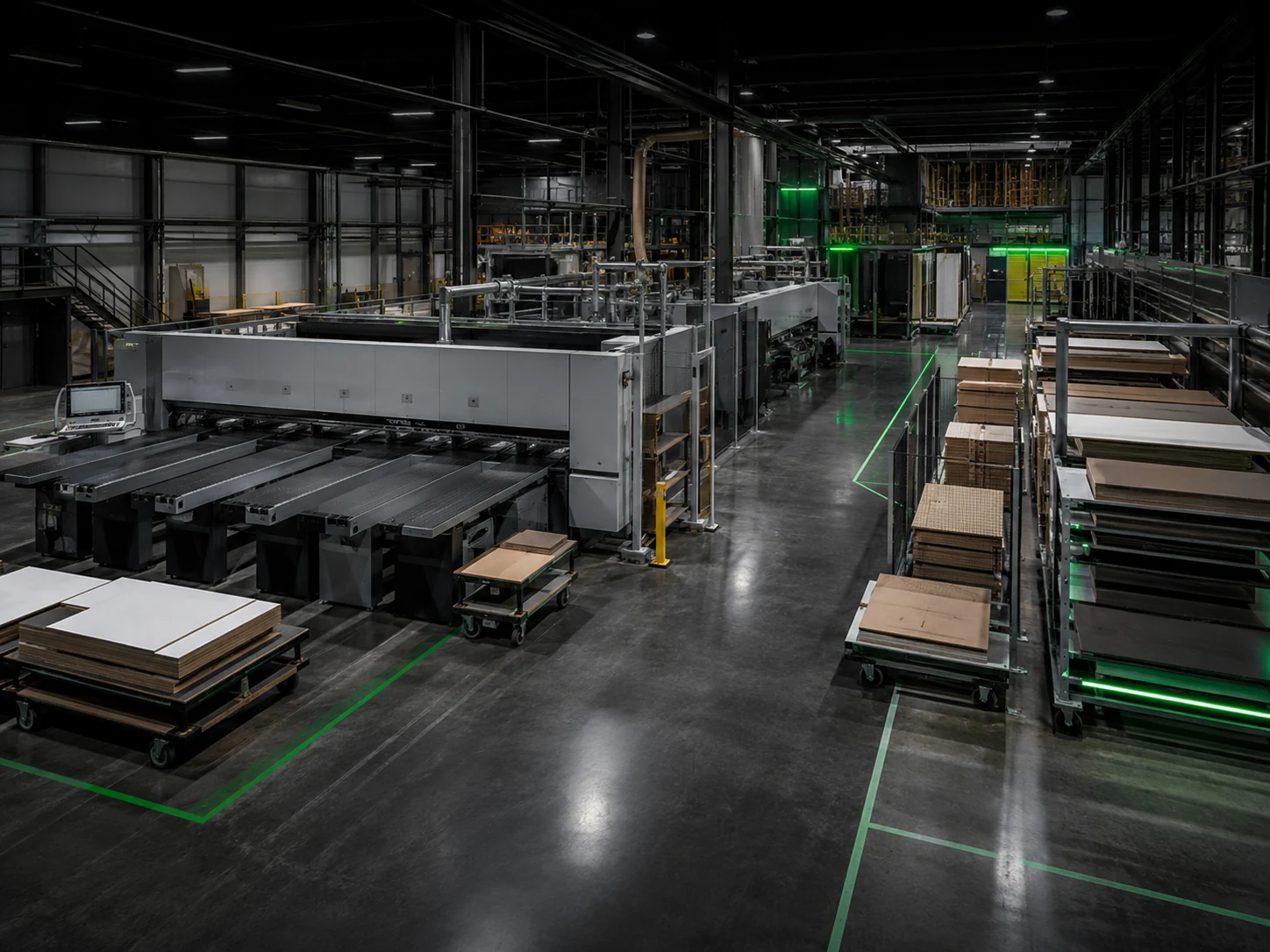
Jobs are pushed to every machine, WIP fills carts and aisles, priority changes by conversation, and the bottleneck alternates between starvation and blockage. Titan can define the pacemaker, finite load, FIFO lanes, supermarkets, time buffers, dispatch rules, and release gates.
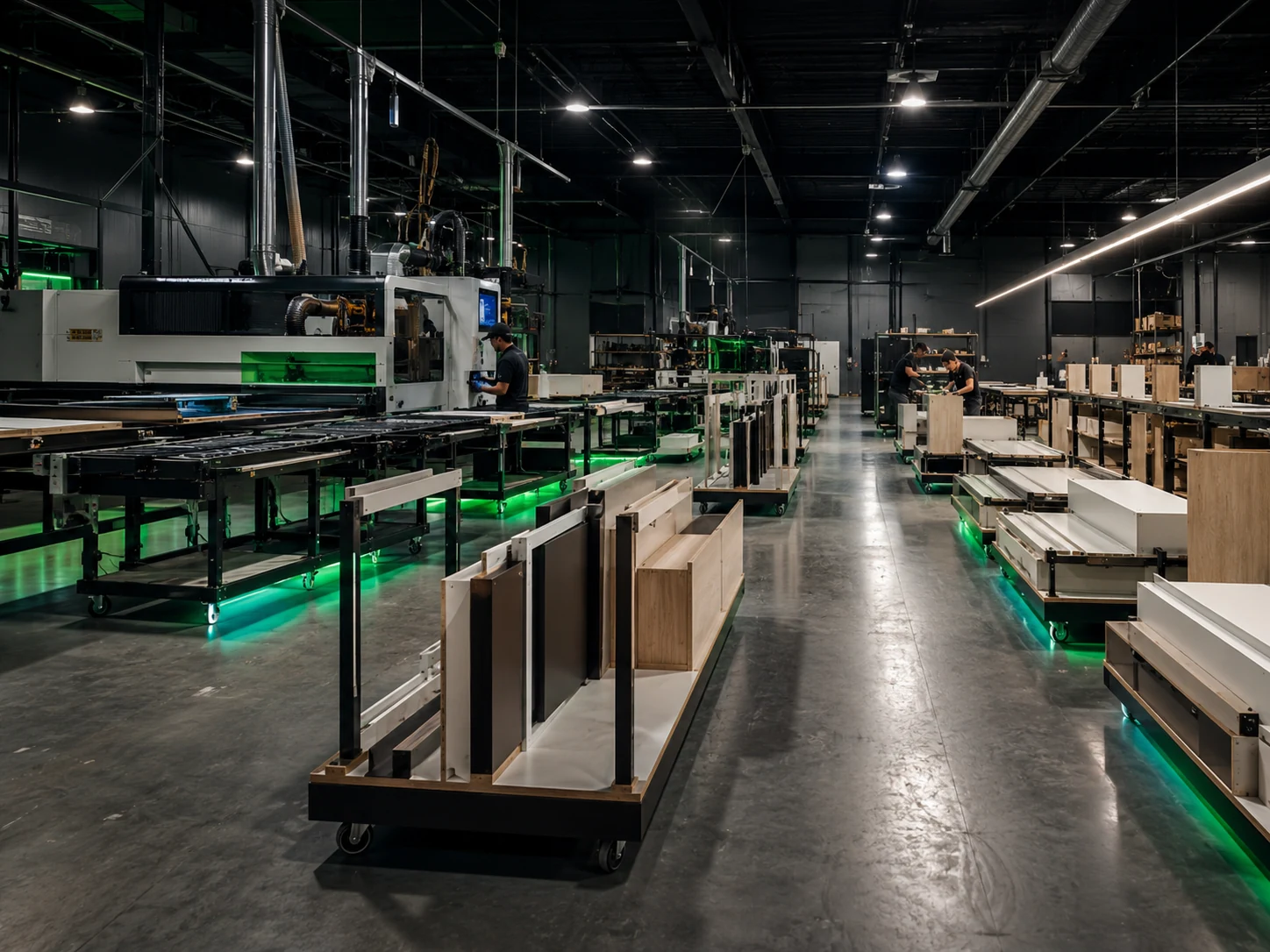
Nested and saw-cut parts move efficiently, but incomplete cabinets reach assembly without doors, backs, hardware, fillers, or remakes. Titan can define cabinet, room, elevation, or install-zone identity and carries completeness through labels, carts, kits, assembly, packaging, and shipping.
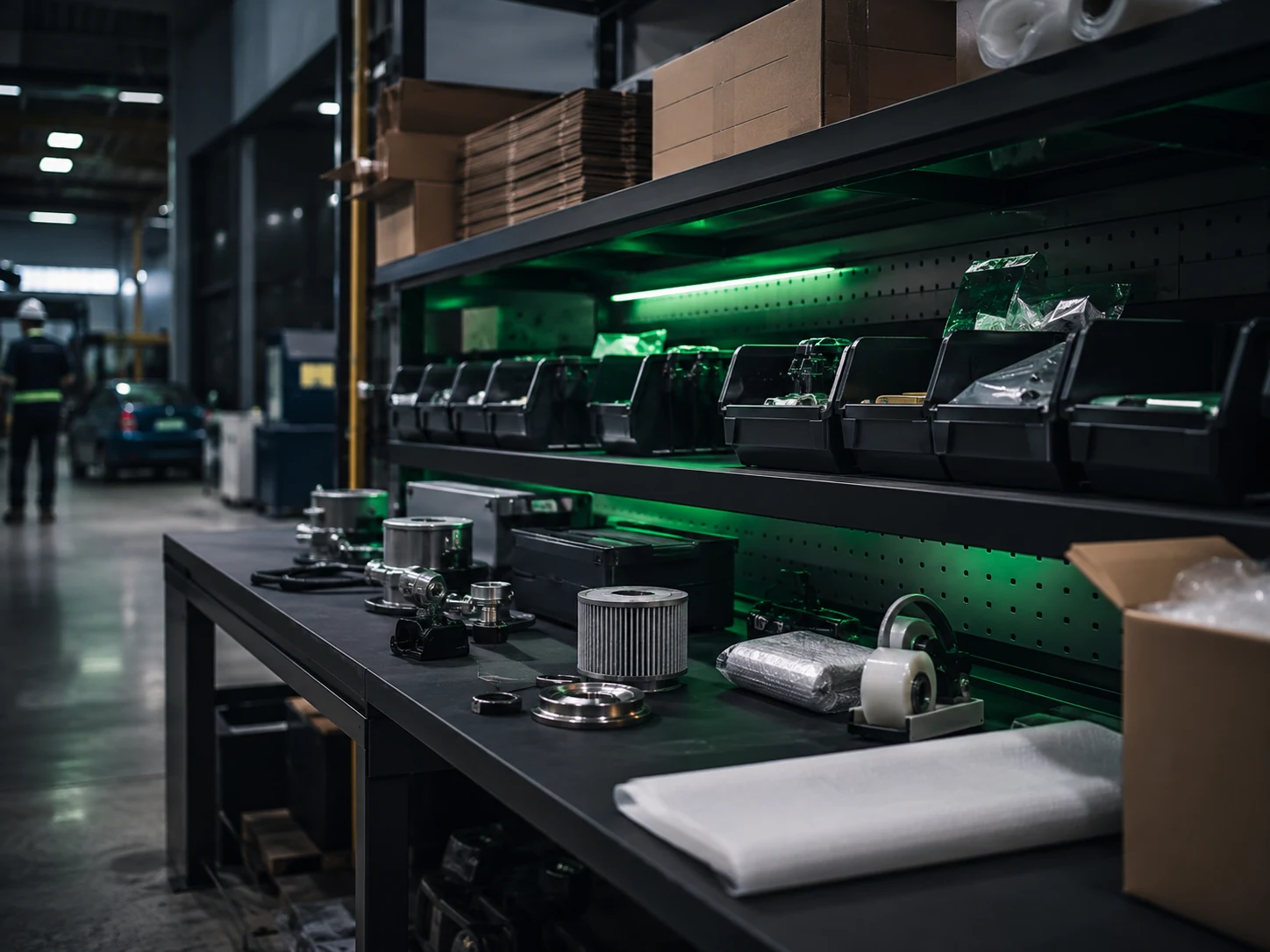
A low-value replacement part can hold a cabinet, room, truck, installer, invoice, or customer acceptance. Titan can create triage, machine-ready data reconstruction, small WIP limits, reserved production windows, alternate routing, delivery confirmation, and cause closure.
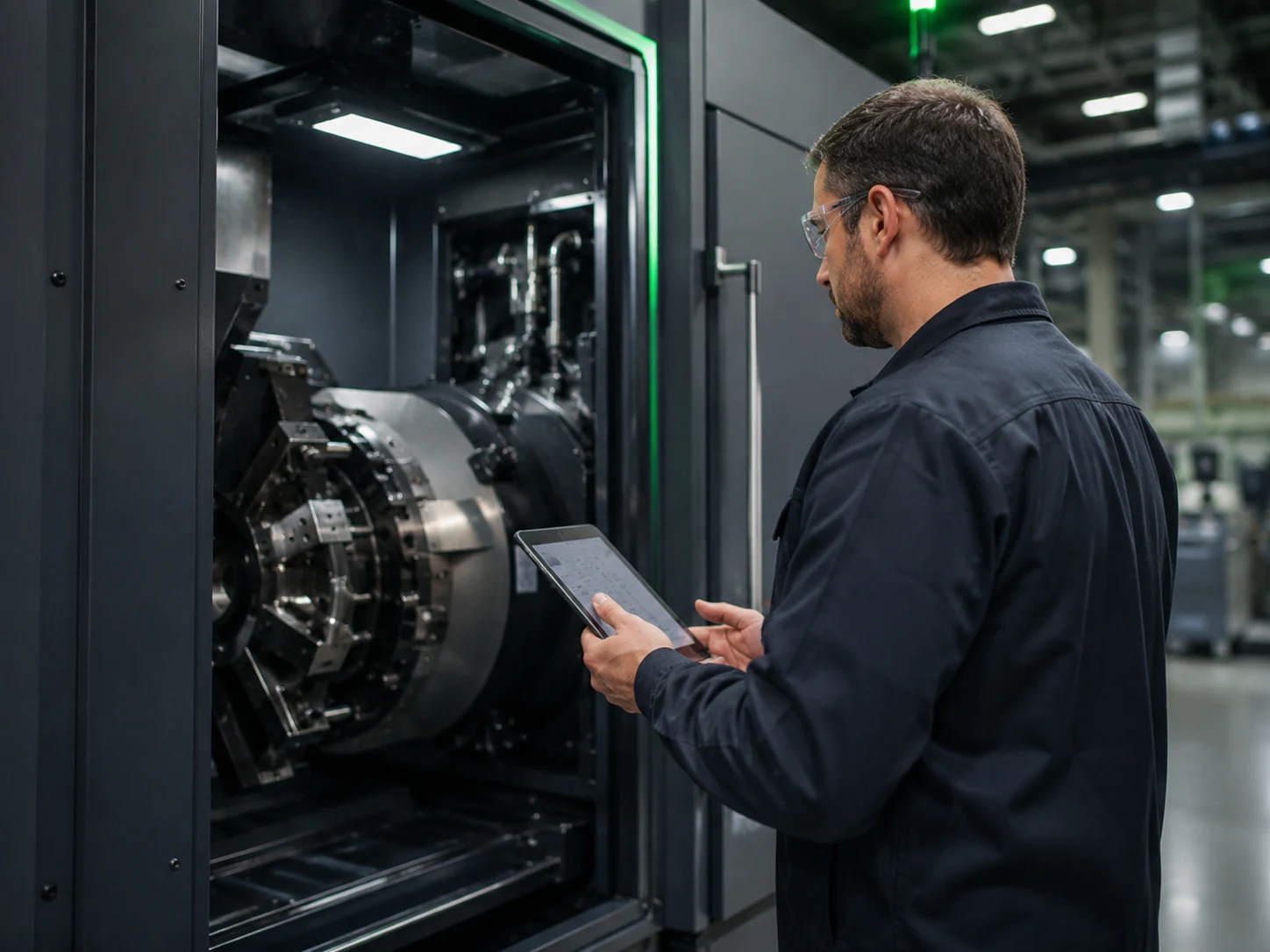
Machines continue running with increasing vibration, dust, glue-line issues, weak vacuum, short tool life, random faults, and repeat remakes. Titan can build an asset register, operator care, preventive tasks, condition triggers, critical spares, escalation, and production-safe service windows.
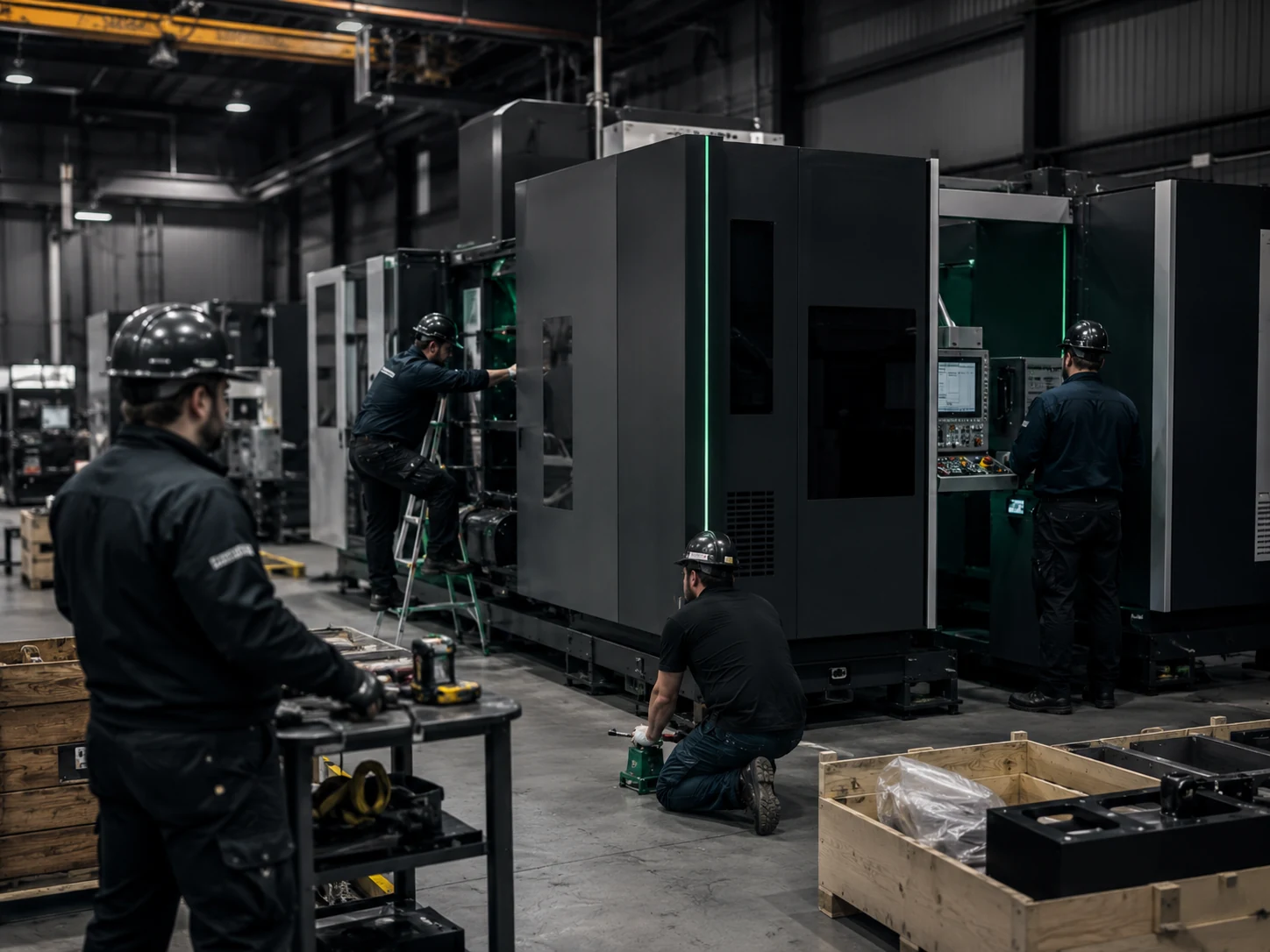
A shop begins with a machine quotation but has not resolved product mix, capacity unit, software, tooling, extraction, air, vacuum, material handling, training, maintenance, acceptance tests, or ramp-up. Titan can convert the purchase into a controlled implementation brief.
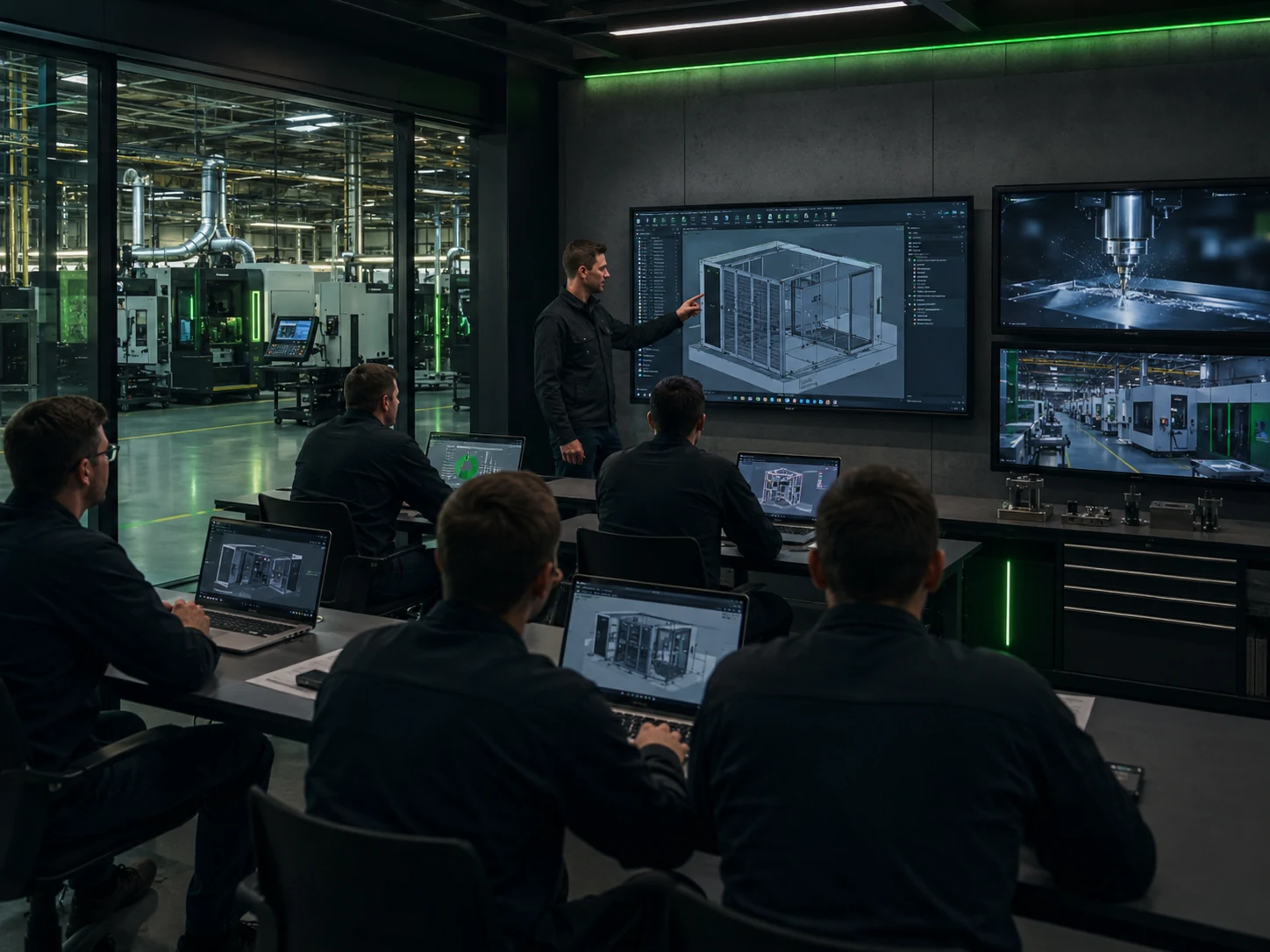
Operators know individual machines, but design, engineering, machining, edge, assembly, and maintenance use different definitions of ready and done. Titan can map questions, assigns required fields and physical presentation, trains by role, and creates a repeatable exception path.
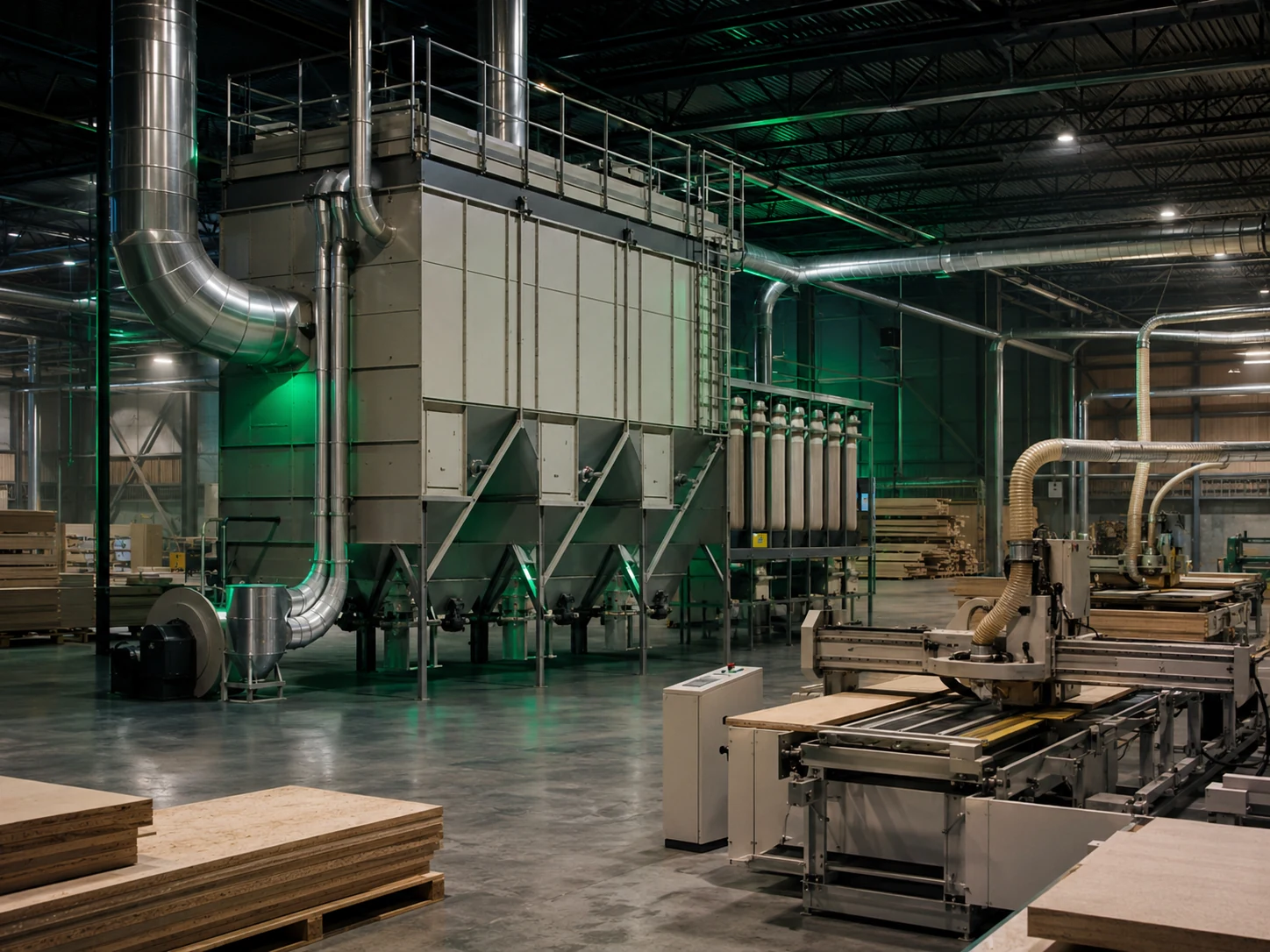
Cut quality is blamed on the machine while worn holders, poor extraction, dirty material, weak carts, excessive touches, and inconsistent tool settings remain unmanaged. Titan can measure each loss and redesigns the support system around accepted output.
Select the measures that fit the product family and process boundary. A result should be repeatable, comparable, and connected to complete customer output—not a one-time best cycle.
First-pass accepted output divided by staffed or scheduled production time.
Cabinets, doors, rooms, orders, or customer packages completed—not partial components.
Elapsed time from approved release to accepted completion before and after the change.
Direct processing and handling time compared with total production lead time.
Quantity, value, location, status, and age of work between release and completion.
Output completing the route without remake, rework, sorting, repair, or unplanned correction.
Time the bottleneck cannot run because complete approved work is unavailable.
Time the bottleneck cannot release work because downstream capacity or space is unavailable.
Time from the last good unit of one run to the first good unit of the next.
Direct or paid labour required for one accepted process or customer unit.
Accepted product compared with purchased sheet, board, edge, coating, or component material.
Tool purchase, service, replacement, setup, downtime, and failure cost per accepted unit.
Planned and unplanned lost time using one agreed definition and source.
Authorized service-part request to accepted delivery at the blocked destination.
Work arriving with all required data, material, labels, programs, tools, and quality status.
Orders delivered by the promised date with complete quantity and required quality.
Use this checklist to define the starting point, expected result, implementation requirements, and information needed for a productive equipment or process review.